1. Introduction: The Modern Toner Dilemma and Green Tea Science
In modern dermatological skin care, few cosmetic categories have been as profoundly misunderstood as facial toners. Historically introduced during mid-20th-century cosmetic manufacturing to neutralize the harsh, alkaline pH left behind by aggressive lye-based bar soaps, conventional drugstore toners quickly evolved into astringent cocktails loaded with denatured ethanol, synthetic witch hazel isolates, and synthetic fragrances. While these harsh astringents deliver an immediate feeling of tight cleanliness, they systematically strip the stratum corneum’s essential intercellular lipid matrix. The biological consequence is chronic barrier disruption, reactive rebound sebum production, and persistent micro-inflammation.
As clean cosmetic formulations and microbiome-friendly skincare gain clinical preeminence across North America and Europe, holistic dermatologists and aesthetic chemists are championing an ancient, evidence-backed botanical alternative: Camellia sinensis, specifically unfermented green tea. Cultivated for millenia and validated by extensive contemporary pharmacological research, green tea leaves yield a pristine aqueous infusion packed with potent polyphenolic bioactives that recalibrate the facial skin ecosystem.
Unlike commercial astringents that strip the cutaneous mantle, a meticulously formulated DIY green tea face toner functions as an antioxidant shield, a mild sebaceous regulator, and a soothing vascular balancer. It targets the underlying inflammatory pathways responsible for cystic breakouts, tightens enlarged follicular pores via non-damaging organic tannins, and re-establishes the skin’s natural acidic pH (~4.5 to 5.5) without peeling or flaking.
2. Dermatological Biochemistry: Why Camellia Sinensis Transforms Problem Skin
The remarkable therapeutic capacity of raw green tea leaves to transform congested, inflamed, or hyperpigmented facial skin is grounded in clinical phytochemistry:
A. Epigallocatechin Gallate (EGCG) and Sebocyte Modulation
Green tea is exceptionally rich in catechins, a family of natural flavan-3-ols, the most biologically potent of which is Epigallocatechin Gallate (EGCG). Peer-reviewed dermatological studies archived by the National Institutes of Health (NCBI PubMed) demonstrate that topical EGCG directly modulates intracellular signaling pathways inside human sebocytes. Specifically, EGCG downregulates the enzyme 5-alpha-reductase type 1, lowering local dihydrotestosterone (DHT) levels within facial hair follicles and significantly curbing excessive sebum secretion without causing cellular dehydration.
B. Anti-Microbial Action Against Cutibacterium Acnes
Acne vulgaris is fundamentally an inflammatory cascade triggered by the proliferation of Cutibacterium acnes (formerly Propionibacterium acnes) within blocked follicular infundibula. Research published in the Journal of Investigative Dermatology confirms that green tea catechins physically disrupt bacterial cell membranes, suppressing microbial proliferation while inhibiting the nuclear factor kappa-light-chain-enhancer of activated B cells (NF-κB) pathway. This dual mechanism stops angry, red pustules from forming beneath the epidermal surface.
C. Condensed Tannins for Pore Tightening
Unlike petrochemical pore-stripping formulations, the tightening effect of green tea derives from condensed tannins (proanthocyanidins). These natural water-soluble polyphenols possess protein-binding astringent properties. When misted over clean facial skin, tannins interact cross-linkingly with keratin proteins lining follicular pore walls, causing localized cross-structural tension that minimizes the visual diameter of enlarged pores without clogging them.
D. Protection Against Ultraviolet Photo-Aging
Exposure to solar radiation triggers the formation of reactive oxygen species (ROS), which upregulate matrix metalloproteinases (MMPs). These destructive enzymes systematically degrade dermal collagen and elastin fibers, producing premature fine lines and loss of elasticity. Green tea polyphenols actively scavenger free radicals, inhibiting UV-induced MMP-1 expression and preserving structural collagen integrity.
3. Quantitative Biochemical Analysis of Green Tea Leaves
To appreciate why unfermented green tea outperforms standard herbal teas, consider its laboratory biochemical composition per 100 grams of dried organic leaf material:
Bioactive Constituent
Quantitative Yield
Direct Dermatological Action
Total Polyphenols (Catechins)
30.0g – 38.0g
Primary antioxidant network; limits free radical cascades and UV damage.
Extracting heat-labile polyphenols requires careful temperature management. Boiling water (100°C / 212°F) hydrolyzes and oxidizes delicate EGCG catechins, destroying their antioxidant efficacy and leaving a bitter, chemically depleted fluid. Adhere strictly to this laboratory extraction protocol:
Master DIY Green Tea Facial Toner
Formulation Yield: 200 ml | Time: 15 Mins | Difficulty: Easy
pH Balanced ~5.0
Equipment & Raw Ingredients:
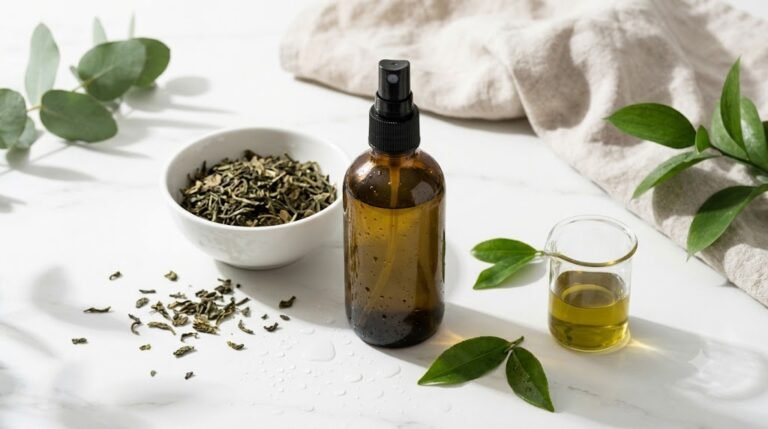
Certified Organic Green Tea: 2 tablespoons loose whole leaf (preferably Sencha or Dragon Well) or 2 organic unbleached tea bags.
Steam-Distilled Water: 1 cup (240 ml). Do not use hard tap water; dissolved chlorine and carbonates neutralize catechins.
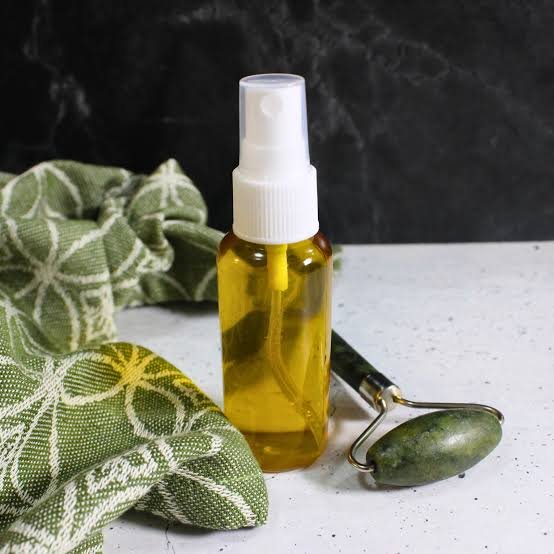
Airtight Glass Dispenser: 8-ounce amber or cobalt blue glass spray bottle with an ultra-fine mist nozzle.
Sanitized Kitchen Tools: Stainless steel fine mesh strainer and glass measuring beaker.
Step-by-Step Brewing Protocol:
Water Temperature Regulation: Heat distilled water in a stainless steel saucepan until small bubbles form around the base. Remove from heat just before boiling reaches 80°C – 85°C (176°F – 185°F). Let rest uncovered for 60 seconds.
Controlled Polyphenol Steeping: Add green tea leaves into the warm water. Cover the pot with a tight-fitting lid to trap volatile aromatic compounds. Steep for exactly 10 to 12 minutes. Avoid steeping past 15 minutes, which pulls heavy tannins that dry the skin.
Filtration: Pour the infusion through a sterilized stainless steel mesh strainer into a clean glass pitcher, separating all plant matter.
Thermal Normalization: Allow the liquid to cool completely to room temperature (~20°C / 68°F) for 30 minutes before compounding any essential oils or preservatives.
Decanting: Pour into your clean amber glass bottle and store immediately in the refrigerator.
5. Customized Formulations for Every Skin Type
Pure green tea infusion is an adaptable base. By compounding targeted, skin-safe actives into the cooled liquid, you can tailor the toner to specific skin concerns:
A. Acne-Prone & Oily Complexions (Sebum Clearing)
The Additions: Add 1 drop of 100% pure organic Tea Tree Essential Oil and 1 teaspoon of pure Apple Cider Vinegar (with “the Mother”) to 1 cup of cooled green tea toner.
The Mechanism: Acetic acid lowers the toner’s pH to approximately 4.5, preserving the skin’s acidic barrier while tea tree oil delivers potent bactericidal terpinen-4-ol to neutralize acne bacteria.
B. Dry & Dehydrated Skin (Glass Skin Hydration)
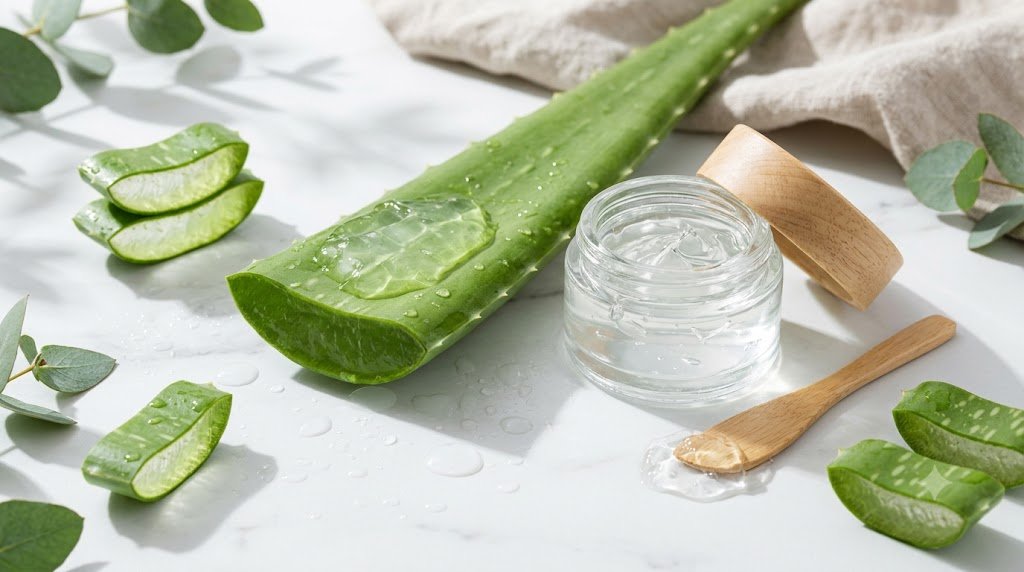
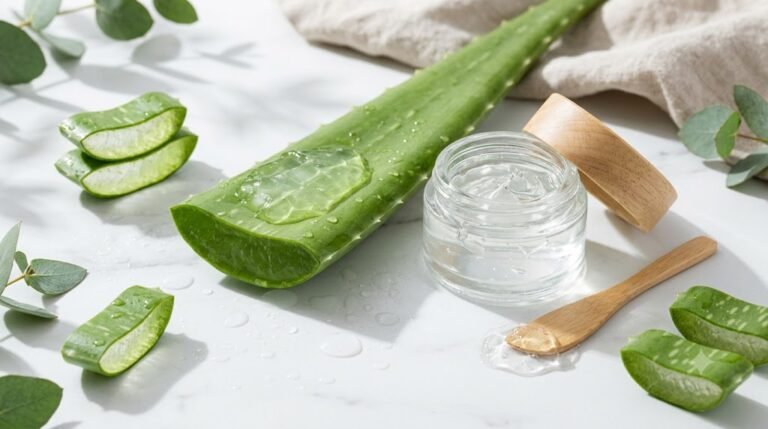
The Additions: Blend in 1 tablespoon of pure fresh aloe vera gel and 1/2 teaspoon of vegetable glycerin.
The Mechanism: Glycerin and acemannan polysaccharides bind atmospheric water molecules directly to the stratum corneum, creating a dewy barrier that stops trans-epidermal water loss.
C. Hyperpigmentation & Sun Damage (Radiance Fading)
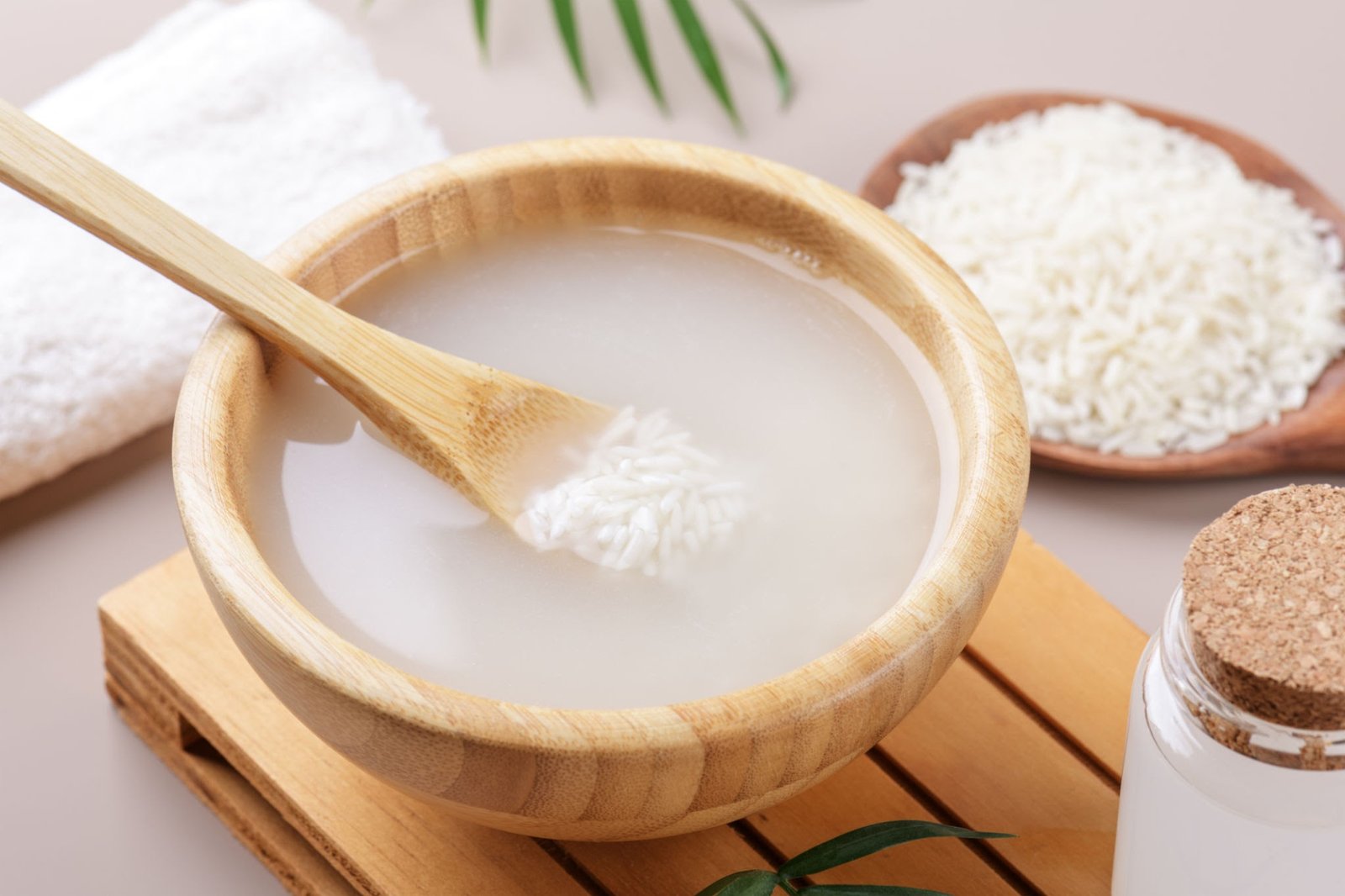
The Additions: Whisk in 1 tablespoon of DIY fermented rice water and 2 drops of Cold-Pressed Rosehip Seed Oil.
The Mechanism: Fermented inositol and trans-retinoic acid pair with EGCG to accelerate cell turnover and fade stubborn sun spots and post-inflammatory dark marks.
6. How to Correctly Apply and Layer Green Tea Toner
To maximize the penetration of water-soluble polyphenols, integrate your green tea toner into your daily routine following dermatological layering protocols:
Step 1: Cleanse: Wash face thoroughly using a gentle, sulfate-free cleanser and lukewarm water. Gently pat dry with a clean microfiber towel.
Step 2: Balance (Green Tea Toner Application): Hold the amber spray bottle 6 inches away from your face. Close eyes and mist 4 to 5 times generously over the entire face, neck, and décolletage. Alternatively, saturate an organic unbleached cotton pad and sweep across congested zones (T-zone, jawline).
Step 3: The 7-Skin Method (Optional for Dehydration): Wait 30 seconds until the mist is partially absorbed, then mist again. Layering 2 to 3 light coats floods parched skin cells with bioavailable polyphenols without clogging pores.
Step 4: Active Serums: While skin remains slightly damp, apply your preferred serums (such as Niacinamide, Hyaluronic Acid, or Vitamin C). Damp skin significantly enhances trans-dermal absorption.
Step 5: Occlusion (Lock-In): Seal in the water-soluble antioxidants using a lightweight non-comedogenic moisturizer or 2 drops of squalane oil.
Step 6: Photoprotection (AM Routine): Apply broad-spectrum mineral SPF 30+. Topically applied green tea catechins synergize with sunscreen, reducing UV-induced erythema.
7. Comparative Analysis: DIY Green Tea vs Commercial Alcohol Toners
Performance Variable
DIY Green Tea Toner
Commercial Drugstore Toner
Astringent Source
Bioactive natural tannins.
Denatured Alcohol / SD Alcohol 40.
Cutaneous Lipid Impact
Preserves barrier lipids; reduces rebound oil.
Strips lipid boundary, causing barrier stress.
Antioxidant Concentration
Very high (fresh unoxidized EGCG).
Minimal (often <0.1% synthetic extracts).
Microbiome Compatibility
100% biocompatible, non-disruptive.
Disrupts commensal bacterial balance.
8. Chemical Preservation, Shelf-Life, and Microbial Safety
Because this green tea toner contains bioavailable plant polyphenols and clean water without synthetic chemical preservatives (such as phenoxyethanol or parabens), it remains vulnerable to ambient fungal and bacterial colonization if mishandled.
Storage & Spoilage Parameters
Room Temperature: 24 hours maximum. Atmospheric oxygen and ambient temperatures quickly oxidize active EGCG.
Refrigerated (4°C / 39°F): 7 to 10 days in a tightly capped amber glass spray bottle. The amber glass prevents photo-oxidation of the catechins.
Ice Cube Freezing Protocol: Up to 90 days. Pour freshly cooled green tea into a clean silicone ice cube tray. Wrap one frozen green tea cube in a soft cotton washcloth each morning and glide across puffy eyes and cheeks for lymphatic drainage and instant pore contraction.
9. Contraindications, Sensitivities & Patch Test Protocol
Allergy Warnings & Safe Clinical Usage
While Camellia sinensis is hypoallergenic for the vast majority of individuals, natural botanical preparations require sensible precautions:
Caffeine Sensitivities: Individuals with extreme cutaneous caffeine reactivity or vascular rosacea that flushes with xanthines should perform an extended test.
Mandatory 24-Hour Patch Test: Spray a small amount of freshly brewed toner onto the inner forearm or behind the earlobe. Let dry and observe for 24 hours. If erythema, burning, or itching develops, discontinue use.
Essential Oil Dilution: Never add more than 1 drop of pure essential oils per 100 ml of toner. Over-concentration will cause contact sensitization.
10. Frequently Asked Questions (FAQ)
Can I use matcha powder instead of whole green tea leaves?
Yes, culinary or ceremonial grade matcha powder can be used (1/2 teaspoon per cup of warm water). However, because matcha does not completely dissolve into clear liquid, fine particles will settle. You must shake the bottle thoroughly before each application, or strain it through a fine paper filter to prevent nozzle clogging.
Will green tea toner stain fair or light skin tones?
No. Properly steeped green tea yields a pale, translucent golden-olive hue that absorbs cleanly into the skin without leaving residual pigments or staining fair complexions.
Can I use this toner while applying prescription Retinoids or AHAs?
Yes. Pure green tea toner contains no harsh chemical exfoliants, making it an excellent soothing buffer that mitigates the dryness, flaking, and irritation commonly associated with prescription retinoids and chemical peels.
Why did my refrigerated green tea toner turn cloudy or dark brown?
A darkening of the liquid indicates that the green tea catechins have undergone full atmospheric oxidation. When oxidized, their free-radical scavenging capacity drops significantly. If the toner becomes cloudy, discolored, or develops a sour aroma, discard it and prepare a fresh batch.
11. Editorial Medical Disclaimer & Final Thoughts
Editorial Medical Disclaimer: The content published by Boldskys is developed for educational, cosmetic, and informational purposes only. It is not intended as a substitute for professional medical advice, clinical diagnosis, or medical treatment. Always consult a board-certified dermatologist before introducing new bioactive botanicals to treat severe dermatological disorders.
Achieving radiant, poreless, balanced skin is not an overnight miracle; it is the biological outcome of consistent, non-stripping care. By swapping harsh alcohol astringents for the time-tested polyphenols of pure DIY Green Tea Toner, you treat your cutaneous barrier with the scientific respect it deserves.
Brew your first restorative batch this evening, store it in your refrigerator, and experience how nature’s finest antioxidant botanical can transform your daily skin routine.