How to Make Flaxseed Gel for Hair: Science-Backed Recipe and Results
Editorial Synopsis: Unlike synthetic styling polymers that leave flakes and dry out hair shafts, homemade flaxseed gel for hair provides flexible hold, slip for detangling, and intense lipid hydration powered by alpha-linolenic acid (omega-3) and mucilage polysaccharides.
Commercial hair styling gels, mousses, and chemical creams present a frustrating cosmetic paradox. While they offer temporary hold and shine, their high concentrations of denatured alcohols, synthetic carbomers, parabens, and artificial silicones frequently deplete the hair shaft of its natural lipid mantle. For individuals navigating brittle strands, postpartum shedding, dry wavy textures, or tight curl patterns (types 2A to 4C), chemical build-up leads to persistent breakage.
This reality has driven a worldwide resurgence toward botanical mucilage conditioners. Among clean, kitchen-crafted formulations, flaxseed gel for hair stands as an indisputable gold standard. Sourced from the seeds of the common flax plant (Linum usitatissimum), this amber-hued natural gel acts as a non-flaking styling glaze, a deeply reparative deep-conditioning base, and an effective follicle strengthener.
In this comprehensive masterclass, we break down the lipid and botanical science of flaxseed mucilage, provide an exact, fail-proof boiling recipe, outline how to calibrate viscosity for your specific hair porosity, and cover safe long-term preservation methods.
The Science: Why Flaxseed Gel Transforms Hair Elasticity
Flaxseeds are among the richest plant-based reservoirs of polyunsaturated fatty acids and dietary lignans on earth. When submerged in simmering water, the outer seed coat (testa) yields a dense, hydrophilic gel through the release of mucilaginous polysaccharides:
1. Alpha-Linolenic Acid (ALA Omega-3) and Tensile Strength
Omega-3 fatty acids within flax mucilage penetrate the cuticle scale layers, replenishing the inter-cellular cement of the hair cortex. Peer-reviewed dermatological studies indexed on PubMed (NCBI) indicate that essential polyunsaturated fatty acids reinforce follicular elasticity, visibly reducing tensile snap breakage during mechanical combing.
2. Vitamin E & Lignans (Follicular Defense)
Flaxseeds deliver concentrated alpha-tocopherol (Vitamin E), a fat-soluble antioxidant that shields developing hair fibers from free-radical lipid peroxidation caused by environmental pollutants and UV rays. Concurrently, plant lignans exhibit phytoestrogenic properties that soothe scalp inflammation and protect micro-vessels surrounding the dermal papillae.
3. Arabinoxylan Mucilage Polysaccharides
The botanical hold of flaxseed gel is achieved via complex carbohydrate chains called arabinoxylans and galacturonoglycans. As the aqueous layer evaporates on the hair fiber, these polysaccharides cross-link into a flexible, clear, weightless polymer film. It shapes curls, locks out atmospheric humidity, and eliminates frizzy flyaways without leaving powdery white residue.
| Biochemical Component | Mechanism of Action | Target Benefit |
|---|---|---|
| Alpha-Linolenic Acid | Cortex lipid replenishment | Prevents mechanical splitting and brittle snap. |
| Mucilaginous Arabinoxylans | Flexible biomimetic film formation | Defines curls and shields against humidity frizz. |
| Vitamin E (Tocopherol) | Antioxidant barrier protection | Counters scalp inflammation and UV damage. |
| Dietary Lignans | Mild 5-alpha reductase moderation | Promotes healthy hair cycle retention. |
The Master Recipe: How to Make Flaxseed Gel for Hair at Home
Many home crafters fail on their initial attempt by boiling the seeds too long, resulting in a thick paste impossible to strain. Follow this calibrated, timed extraction:
Equipment and Ingredients Checklist
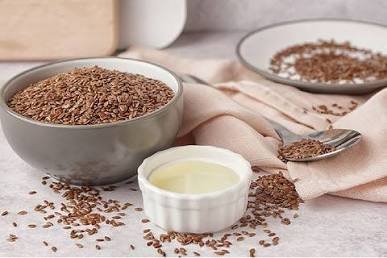
- 1/4 cup whole brown or golden flaxseeds: Use whole, unground raw seeds. Ground flax meal will spoil the batch and leave gritty debris in your hair.
- 2 cups distilled or filtered water: Tap water rich in carbonates or chlorine disrupts mucilage stability.
- Optional Booster: 1 tablespoon 100% pure Aloe Vera gel: Adds proteolytic enzymes and humectant moisture.
- Optional Booster: 1/2 teaspoon cold-pressed Argan or Jojoba oil: Imparts high-gloss cuticle shine for coarse hair types.
- Medium stainless steel saucepan.
- Clean nylon knee-high stocking or sheer cheesecloth (far superior to metal wire strainers).
- Sterile glass pump bottle or mason jar.
Step-by-Step Extraction Protocol
- Combine and Boil: Add 1/4 cup flaxseeds and 2 cups distilled water into your saucepan. Turn the stove to medium-high heat, stirring constantly to prevent seeds from sticking to the hot bottom.
- Monitor the Simmer: Once the water reaches a rolling boil, reduce heat to low-medium. Continue gently stirring in circular motions. A white, frothy foam will appear across the surface.
- The Critical Consistency Test (7 to 10 Minutes): Watch the liquid closely. When the liquid thickens into the consistency of raw egg whites and drips in a steady ribbon from your wooden spoon, turn off the burner immediately. Over-boiling will turn the gel into an un-strainable glue.
- Hot Straining: Do not wait for the pot to cool. Place your nylon knee-high stocking over a heat-safe glass measuring cup. Pour the hot seed mixture inside. Using silicone kitchen tongs, squeeze the gel through the stocking mesh into the container. Discard the spent seeds (or freeze for a second batch).
- Incorporate Botanical Oils (Optional): While the gel is still lukewarm, whisk in your chosen aloe vera or jojoba drops until emulsified. Pour into a sterile glass container.
Synergistic Botanical Care: Complete Regimen
Flaxseed mucilage excels at surface hydration, curl clump preservation, and mechanical hair defense. However, if your primary cosmetic goal is stimulating dormant hair roots or combating excessive shedding, pair this styling glaze with our clinically backed guide on how to make rosemary water for hair growth to stimulate dermal micro-perfusion.
Likewise, for comprehensive dermal protection, explore how fermented starches refine facial pores in our detailed tutorial on how to make rice water for face for glowing glass skin.
How to Apply Flaxseed Gel Across Different Hair Types
Application techniques determine whether your hair achieves soft, bouncing volume or looks weighed down:
For Wavy & Curly Patterns (Types 2 & 3) – The “Scrunch” Technique
Apply a palm-sized dollop onto soaking wet hair right after showering. Rake the gel through from mid-lengths to ends, then cup your palms and scrunch upward toward your roots. Allow to air dry completely or use a blow-dry diffuser on low heat. Once dried 100%, gently scrunch the light crunch cast with bare hands to reveal touchably soft, frizz-free curls.
For Coily & Kinky Textures (Type 4) – The LOC / LGO Method
Type 4 hair requires high lipid retention. Apply flaxseed gel as the final “G” (Gel) layer over your leave-in conditioner and botanical butter (Liquid-Oil-Gel method). Its high slip allows gentle finger-detangling while defining twist-outs, braids, and wash-and-gos without chalky build-up.
As an Intensive Scalp & Follicle Pre-Poo Mask
Section dry hair prior to washing. Massage chilled flaxseed gel directly across the scalp dermis and lengths. Cover with a shower cap for 30 minutes. Its anti-inflammatory omega fats soothe dry scalp flakes, calm pruritus, and prepare hair for shampoo cleansing.
Preservation Guidelines & Shelf-Life Warning
- Mandatory Refrigeration: Natural flaxseed mucilage contains zero industrial chemical antimicrobials. It must be kept in the refrigerator at all times.
- Shelf Life: Standard refrigerated batches remain fresh for 10 to 14 days. Adding 5 drops of pure essential oil (such as rosemary, lavender, or tea tree) helps extend freshness to approximately 21 days.
- The Freezer Hack: Pour fresh batches into silicone ice cube trays and freeze. Defrost 1 to 2 gel cubes in a small bowl at room temperature whenever styling, allowing batches to last over 3 months without degradation.
- Signs of Spoilage: If the gel turns runny, changes from translucent amber to cloudy gray, or develops a sour, vinegar-like odor, discard immediately. Microbial growth applied to hair can trigger fungal scalp flare-ups.
Frequently Asked Questions (FAQ)
Does flaxseed gel cause white flakes or product build-up?
No. Unlike synthetic gels formulated with polyvinylpyrrolidone (PVP), flaxseed gel is a 100% natural water-soluble botanical mucilage. It dries completely clear and leaves zero flakes when applied to clean hair.
Can I use golden flaxseeds instead of brown flaxseeds?
Yes. Golden and brown flaxseeds possess identical nutritional and mucilage profiles. Golden flaxseeds produce a slightly lighter, paler gel preferred by platinum blondes or silver-haired users.
Can I leave flaxseed gel in my hair without washing?
Yes. Flaxseed gel is formulated as a leave-in botanical styler. You do not need to wash it out until your next scheduled wash day.
Does flaxseed gel help regrow hair?
It supports regrowth indirectly. By supplying anti-inflammatory omega-3 lipids to the scalp and coating weak strands to prevent snap breakage, it maximizes hair retention and length over time.