1. Introduction: The Ignored Foundation of Healthy Hair Growth
In modern haircare regimens across North America and Western Europe, an enormous amount of capital and attention is directed toward nourishing the visible hair shaft. Consumers invest in luxury bond-repairing serums, protein conditioners, and styling balms, yet routinely ignore the biological soil from which every single hair fiber emerges: the scalp epidermis. Your scalp is a living ecosystem containing approximately 100,000 follicular infundibula, each serviced by active sebaceous glands, a complex microvascular network, and a distinct microbiome.
Over weeks of daily living, the scalp accumulates an invisible, suffocating crust. Dry shampoos formulated with heavy starches, styling sprays packed with synthetic polymers, oxidized sebum triglycerides, dead corneocyte cells, and hard water mineral deposits collect around follicular orifices. This chronic layer of debris causes follicular occlusion, creating a low-oxygen breeding ground for opportunistic micro-organisms and physically restricting the emergence of robust hair strands. The inevitable consequence is sluggish growth, chronic itching, and accelerated shedding.
While commercial chemical exfoliants frequently rely on high-concentration glycolic acid or abrasive plastic microbeads that irritate delicate skin, holistic trichology embraces a multi-functional botanical answer: Coffea arabica. A meticulously formulated DIY coffee scalp scrub provides gentle physical exfoliation alongside the transdermal delivery of bioavailable caffeine, chlorogenic acids, and organic minerals. This clinical masterclass outlines the exact formulation parameters to detoxify clogged roots, stimulate microvascular circulation, and build thicker, healthier hair density.
2. Trichological Science: Topical Caffeine, DHT Inhibition, and Cellular Turnover
The remarkable ability of finely ground coffee to clear stubborn flakes and stimulate dormant follicles is validated by clinical dermatology and vascular pharmacology:
A. Transfollicular Caffeine Penetration and DHT Modulation
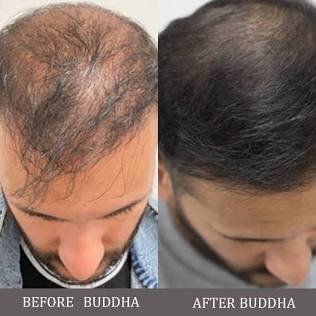
Androgenetic alopecia is heavily driven by dihydrotestosterone (DHT), which miniaturizes vulnerable hair follicles and shortens the active growth (anagen) phase. Peer-reviewed clinical investigations indexed by the National Institutes of Health (NCBI PubMed) demonstrate that topical caffeine (1,3,7-Trimethylxanthine) penetrates follicular canals within 2 minutes of application, traveling directly to the dermal papilla.
Once absorbed, caffeine inhibits intracellular phosphodiesterase enzymes, elevating cyclic adenosine monophosphate (cAMP) levels within follicular matrix cells. This biochemical elevation counteracts testosterone-induced follicle miniaturization, stimulating keratinocyte proliferation and extending the active anagen duration to promote sustained strand retention.
B. Micro-Mechanical Desquamation of Sebaceous Plugs
Unlike chemical exfoliants that dissolve cellular bonds indiscriminately, coffee grounds possess a unique cellular architecture. Composed of soft, cellulosic plant cell walls, ultrafine coffee particles provide gentle mechanical friction. When massaged over the scalp, these rounded micro-granules sweep away hardened sebum plugs and dead cellular scales without scratching the underlying stratum corneum, instantly improving cutaneous oxygenation.
C. Chlorogenic Acid Antioxidant Protection
Coffee beans are among nature’s most concentrated sources of chlorogenic acid (5-CQA) and caffeic acid. These potent polyphenols actively neutralize reactive oxygen species (ROS) triggered by ultraviolet radiation and urban pollution. By inhibiting scalp lipid peroxidation, chlorogenic acid preserves dermal micro-capillaries and soothes micro-inflammation that can otherwise accelerate shedding.
3. Quantitative Biochemical Profile of Coffea Arabica
Evaluating the biochemical components of unadulterated coffee grounds demonstrates why this common bean acts as a potent scalp clarifying treatment per 100 grams of dry material:
4. Granule Mechanics: Choosing the Correct Grind Size to Protect Cuticles
The single most catastrophic error individuals make when formulating homemade scalp scrubs is using coarse, jagged coffee grounds (such as coarse French press or espresso grinds). Coarse coffee grounds possess sharp, razor-thin crystalline edges that cause micro-lacerations on the scalp and strip away hair cuticular shingles through mechanical abrasion.
To safely exfoliate without causing mechanical damage, respect these two formulation rules:
Use Ultrafine Turkish or Drip Grind: Select fresh organic beans milled to an ultrafine powdery consistency (similar to powdered cocoa or fine sand). These smaller granules glide smoothly across the scalp without abrading hair shafts.
Fresh vs. Spent Coffee Grounds: While recycling spent morning grounds is popular, brewing with boiling water extracts approximately 70% to 80% of water-soluble caffeine and polyphenols into your cup. To deliver clinical concentrations of caffeine to your hair roots, **always use fresh, un-brewed organic coffee grounds**.
Cold-Pressed Golden Jojoba Oil: 2 tablespoons (biochemically mimics natural sebum; cushions the exfoliation).
Pure Raw Organic Honey: 1 tablespoon (acts as a humectant and natural antibacterial agent).
Sulfate-Free Clarifying Shampoo: 1 tablespoon (acts as an emulsifier, allowing coffee oils to rinse away cleanly without greasy residue).
Pure Peppermint Essential Oil: 3 drops (delivers invigorating menthol stimulation to boost microcirculation).
Equipment: Ceramic mixing bowl, silicone spatula, and an airtight glass container.
Step-by-Step Compounding Protocol:
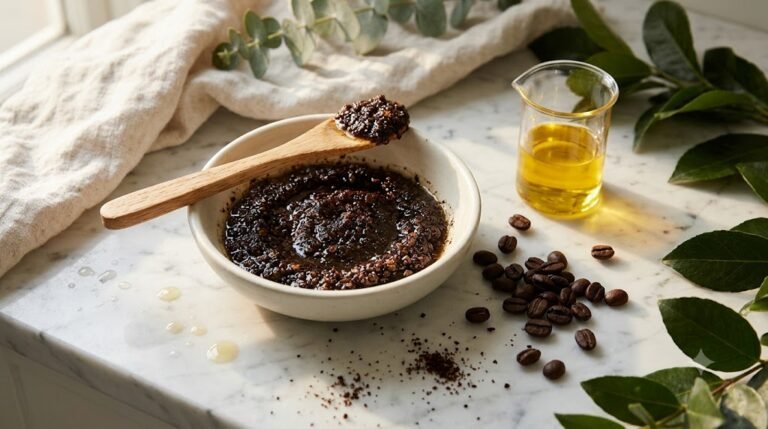
Dry Phase Preparation: Place 3 tablespoons of fresh, ultrafine ground coffee into your clean ceramic bowl. Ensure there are no hard lumps.
Lipid Wetting: Pour 2 tablespoons of golden jojoba oil directly over the grounds. Stir gently with your spatula for 60 seconds until every coffee granule is coated in protective lipid wax.
Humectant & Surfactant Integration: Add 1 tablespoon of raw organic honey alongside 1 tablespoon of your favorite gentle sulfate-free shampoo. Whisk briskly until the mixture forms a rich, dark espresso paste with a thick, spreadable consistency.
Botanical Activation: Stir in 3 drops of pure peppermint essential oil. The invigorating menthol aroma balances the deep coffee fragrance while preparing the scalp for enhanced circulation.
Immediate Application: Use the scrub immediately to maintain the fresh, un-oxidized potency of the active caffeine.
6. Targeted Scrub Customizations by Scalp Type
Different scalps present distinct physiological requirements. Customize your coffee scrub base using these targeted botanical additions:
A. For Oily Scalps & Stubborn Flakes (Malassezia Control)
The Modification: Add 1 teaspoon of raw Apple Cider Vinegar and 2 drops of Tea Tree Essential Oil.
The Mechanism: Acetic acid breaks down calcified mineral buildup and lowers scalp pH, while terpinen-4-ol from tea tree oil curbs fungal yeast overgrowth.
B. For Dry, Tight, or Sensitive Scalps
The Modification: Whisk in 2 tablespoons of pure fresh aloe vera gel and swap jojoba oil for cold-pressed Sweet Almond Oil.
The Mechanism: Acemannan polysaccharides soothe dry, irritated tissue, cushioning the exfoliation to prevent redness while providing deep moisture.
C. For Sluggish Follicles & Thinning Crown Density
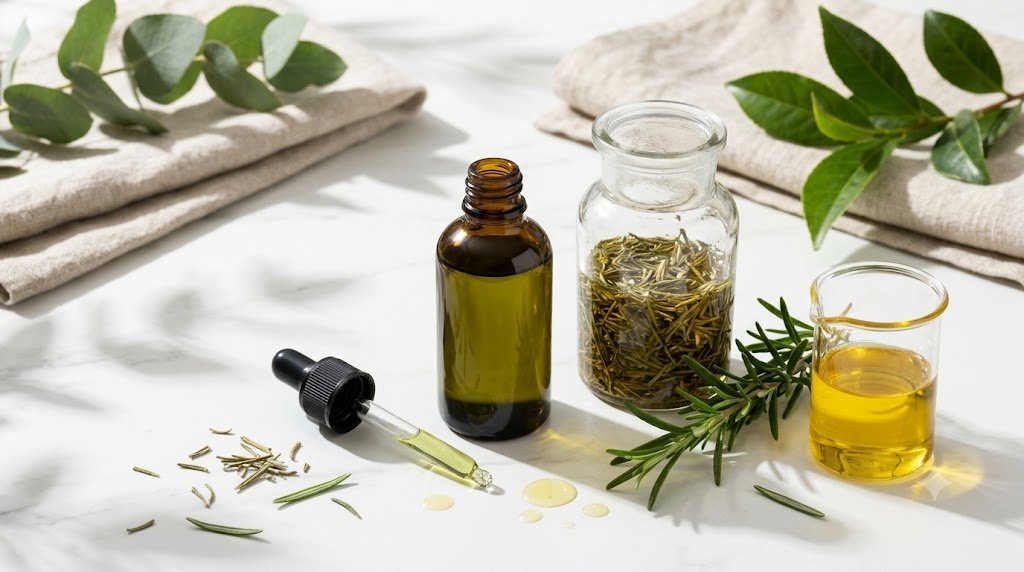
The Mechanism: Carnosic acid from rosemary acts synergistically with coffee caffeine, creating a potent botanical duo that stimulates blood flow around miniaturized hair roots.
7. Step-by-Step Salon Application and Clean Rinsing Protocol
To enjoy the revitalizing benefits of a coffee scrub without tangled hair or messy cleanup, follow this structured application method:
Step 1: Thorough Hair Saturation: Step into the shower and thoroughly wet your hair with lukewarm water for 2 full minutes. The hair and scalp must be completely damp to allow smooth glide.
Step 2: Sectional Scalp Parting: Part your hair down the center using your fingers. Scoop a quarter-sized amount of scrub onto your fingertips. Dab the paste directly onto the exposed scalp line (avoid applying directly to your hair lengths).
Step 3: The Circular Finger-Pad Massage: Using the soft, fleshy pads of your fingertips (never fingernails), massage your scalp using gentle circular motions for 3 to 4 minutes. Move progressively from the hairline and temples toward the crown and nape. You will feel a mild, tingling warmth as microcirculation activates.
Step 4: The 3-Minute Caffeine Absorption Window: Let the scrub sit undisturbed on your scalp for 3 minutes. This resting period allows bioavailable caffeine and chlorogenic acids to absorb into the follicular pores.
Step 5: The Pre-Rinse Flood: Direct the showerhead stream straight down over your scalp. Massage your hair gently under the running water for 2 minutes. The shampoo in the scrub will lather up, carrying away 90% of the coffee grounds effortlessly.
Step 6: Condition Mid-Lengths and Ends: Apply a rich conditioner or our flaxseed hair mask to your mid-lengths and ends to seal down cuticles and restore smooth, tangle-free shine.
8. Chemical Stability, Storage Rules, and Microbial Safety
Because this scrub combines moisture, botanical oils, and organic plant matter without synthetic biocides, proper handling is essential to avoid bacterial spoilage.
Storage Parameters & Shelf-Life Expectations
Single-Use Fresh Formulation (Recommended): Prepare the scrub immediately before use. Freshly milled coffee delivers peak antioxidant and caffeine potency.
Dry Pre-Mix Method: Blend the dry coffee grounds, jojoba oil, and honey into a sealed glass mason jar (omitting shampoo and water). Stored in a cool, dark cupboard, this oil-ground base remains stable for up to 6 weeks. Simply scoop out 2 tablespoons on wash day, mix in your shampoo, and apply.
Plumbing Safety Tip: Always use a standard silicone mesh shower drain strainer. It catches spent coffee grounds in seconds, preventing plumbing blockages.
9. Contraindications, Scalp Abrasion Risks, and Safety Bounds
Clinical Safety & Scalp Precaution Warnings
While topical coffee is safe for most skin types, mechanical exfoliation requires sensible dermatological boundaries:
Open Wounds & Active Folliculitis: Never apply physical scrubs to an open scalp abrasion, active pustular folliculitis, or severe psoriasis flare-ups. Physical friction can worsen inflammation and spread bacterial colonies.
Avoid Over-Exfoliation: Exfoliating more than once a week strips the scalp’s protective lipid barrier, triggering reactive rebound sebum production. Limit use to once every 10 to 14 days.
Mandatory 24-Hour Cutaneous Patch Test: Place a dab of the prepared scrub onto your inner forearm. Let sit for 10 minutes and rinse. Observe for 24 hours. If redness, hives, or burning occurs, do not apply to your scalp.
10. Frequently Asked Questions (FAQ)
Can coffee grounds clog shower drains or damage hair cuticles?
Using finely ground coffee rather than coarse espresso grinds prevents abrasive micro-scratches on hair shafts. Utilizing a standard silicone mesh shower drain protector catches spent grounds, eliminating any plumbing risk.
How often should I exfoliate my scalp with a DIY coffee scrub?
For normal to oily scalps, exfoliating once every 10 to 14 days is ideal. Over-exfoliating strips the scalp’s protective barrier, while bi-weekly use clears dead corneocyte buildup and optimizes follicular aeration.
Will coffee scalp scrub darken blonde, bleached, or silver hair?
Coffee contains natural tannins that can impart a temporary subtle tint to highly porous, platinum blonde or gray strands if left on for extended periods. For light blonde hair, rinse immediately after a 3-minute scalp massage.
Does topical caffeine directly block DHT and halt genetic hair thinning?
Yes. Clinical dermatological research demonstrates that topical caffeine penetrates follicular infundibula, counteracting testosterone-induced suppression of hair follicle growth and prolonging the active anagen cycle.
11. Editorial Medical Disclaimer & Final Thoughts
Editorial Medical Disclaimer: The botanical and trichological protocols compiled by Boldskys are published strictly for educational and cosmetic enlightenment. They do not constitute formal medical diagnosis, clinical counsel, or prescription dermatological therapies. Always consult a certified dermatologist or trichologist regarding persistent scalp conditions, severe psoriasis, or chronic hair thinning.
Building strong, resilient, and voluminous hair begins by respecting the delicate ecosystem of your scalp. By replacing harsh chemical clarifying washes with the invigorating botanical power of a DIY Coffee Scalp Scrub, you clear away suffocating buildup while nourishing your roots with stimulating caffeine and protective antioxidants.
Formulate your first restorative batch before your next wash day, enjoy the invigorating scalp massage, and take your first step toward a cleaner, healthier foundation for long-term hair growth.