How to Make Rosemary Oil for Hair Growth: The Complete Step-by-Step DIY Masterclass
Published by Boldskys Editorial Team | Trichologically & Chemically Reviewed | 12 Min Read
Executive Formulation Highlights (TL;DR)
Pharmacological Equivalence: Peer-reviewed trials demonstrate that rosemary extract performs comparably to 2% minoxidil in stimulating hair count over 6 months.
Carnosic Acid Bioavailability: Protects follicle microvascular structures from oxidative apoptosis and suppresses local androgenic miniaturization.
Cold Maceration Protocol: Master the non-thermal 4-week infusion window to protect heat-labile volatile monoterpenes from thermal degradation.
1. Introduction: The Ancestral Herb Disrupting Modern Haircare
In the contemporary landscape of cosmetic trichology, consumers across North America and Europe are confronting an overwhelming saturation of clinical hair-growth products. Promoted with sleek packaging and exorbitant price points, a substantial proportion of these commercial serums rely on volatile chemical penetration enhancers, synthetic silicones, and synthetic growth factors that frequently provoke dependency, rebound shedding upon cessation, or acute scalp contact dermatitis. In counter-reaction to this pharmaceutical treadmill, modern dermatologists and integrative wellness practitioners have turned their rigorous analytical scrutiny toward one of the most venerable botanicals in human medical history: Salvia rosmarinus, universally recognized as rosemary.
Long honored in Mediterranean folk medicine as an emblem of longevity and sensory regeneration, rosemary has recently transitioned from culinary obscurity into the highest tiers of clinical research. Controlled clinical investigations have demonstrated that botanical preparations of rosemary exhibit therapeutic parity with conventional synthetic vasodilators in addressing androgenetic pattern thinning and diffuse telogen shedding. However, while commercial manufacturers sell mass-produced rosemary oils diluted with low-grade mineral oils, harvesting raw organic rosemary leaves to synthesize a bio-potent, cold-macerated lipid infusion at home ensures an un-denatured profile of delicate terpenes, diterpenes, and phenolic acids.
This masterclass provides an exhaustive, laboratory-grounded methodology for engineering pharmaceutical-grade homemade rosemary hair oil. From breaking down the molecular pharmacodynamics of follicular vasodilation to balancing fatty acid ratios across various lipid carriers and eliminating botulism or oxidation hazards, this guide represents the definitive blueprint for natural hair density restoration.
2. The Trichological Science: How Rosemary Activates Dermal Papillae
The remarkable capacity of rosemary oil to revive stagnant, miniaturized hair follicles is not grounded in folkloric superstition, but in precisely articulated molecular biology. When massaged into the scalp, its lipid-bound bioactives navigate follicular canals to execute three coordinated biological interventions:
A. Microvascular Vasodilation and Endothelial Activation
The foremost hurdle in pattern hair thinning is follicular starvation resulting from microvascular insufficiency. A groundbreaking comparative study documented in the peer-reviewed National Library of Medicine (PubMed) evaluated rosemary extract against 2% minoxidil in human subjects diagnosed with androgenetic alopecia. At the conclusion of a six-month randomized protocol, both cohorts exhibited statistically indistinguishable, significant elevations in objective hair count, with the rosemary group reporting substantially less scalp pruritus.
This vascular stimulation is primarily mediated by carnosic acid and 1,8-cineole (eucalyptol). These volatile compounds trigger local peripheral vasodilation by encouraging endothelial nitric oxide synthesis, enhancing blood volume through the micro-capillary beds that directly feed the dermal papilla. With arterial circulation restored, active follicular matrix cells receive uninterrupted streams of systemic amino acids, iron, and oxygen, extending the anagen (active growth) window while averting premature entry into catagen involution.
B. Androgenic Protection and 5-Alpha Reductase Inhibition
Androgenetic alopecia is catalyzed when systemic testosterone encounters the follicular membrane enzyme 5-alpha reductase, converting into the hyper-potent androgen dihydrotestosterone (DHT). DHT binds with destructive avidity to androgen receptors on dermal papilla cells, initiating a protracted process known as follicular miniaturization. With each consecutive growth cycle, the follicle produces a progressively finer, shorter, unpigmented hair shaft until the aperture closes permanently.
Rosemary extracts contain high concentrations of the abietane diterpene carnosic acid alongside rosmarinic acid. Research demonstrates that carnosic acid physically inhibits the catalytic binding sites of 5-alpha reductase, attenuating the conversion of testosterone to DHT within the local scalp micro-environment. This provides non-systemic anti-androgenic shielding without altering circulating systemic hormone profiles.
C. Eradication of Malassezia and Micro-Inflammation
Sub-clinical scalp inflammation, often accelerated by the overgrowth of lipid-dependent Malassezia yeast, represents a primary secondary accelerator of hair shedding. Rosemary oil contains substantial fractions of camphor, alpha-pinene, and borneol, natural monoterpenes with proven broad-spectrum antifungal and antibacterial potency. By suppressing microbial dysbiosis, rosemary alleviates perifollicular erythema, scales, and itching, preventing inflammatory alopecia.
3. Quantitative Phytochemical Profile of Salvia Rosmarinus
The multifaceted therapeutic profile of rosemary leaves is demonstrated in its intricate biochemical composition per 100 grams of dried botanical biomass:
Bioactive Compound
Chemical Classification
Quantitative Yield
Specific Follicular Mechanism
Carnosic Acid
Abietane Diterpene
1.5% – 3.0%
Inhibits 5-alpha reductase; promotes peripheral nerve regeneration in scalp tissue.
Rosmarinic Acid
Polyphenolic Ester
2.0% – 4.5%
Potent free radical scavenger; halts oxidative apoptosis within the hair bulb.
Broad-spectrum antimicrobial agent against fungal bio-films and bacterial colonies.
4. Carrier Oil Chemistry: Selecting the Optimal Lipid Vehicle
Herbal compounds like carnosic acid and cineole are lipid-soluble. To extract and deliver them into the lipid bilayer of the scalp stratum corneum, choosing an appropriate carrier oil is critical. Different carrier oils offer distinct viscosities, comedeogenic ratings, and fatty acid balances:
A. Golden Jojoba Oil (Simmondsia Chinensis) — The Universal Gold Standard
Biochemically, jojoba is not a triglyceride oil, but a liquid wax ester remarkably identical to human sebum (consisting predominantly of gadoleic, erucic, and oleic acids). It penetrates the follicular infundibulum effortlessly without clogging pores, dissolves oxidized lipid plugs, and acts as an exceptional solvent for rosemary diterpenes. Highly recommended for oily, dandruff-prone, or normal scalps.
B. Extra Virgin Olive Oil (Olea Europaea) — For Coarse, Dry, or High-Porosity Hair
Rich in monounsaturated oleic acid (Omega-9) and squalene, cold-pressed olive oil provides intense conditioning and structural lubrication. Its heavier molecular weight seals damaged cuticle shingles and shields hair shafts from friction. Best suited for thick, low-density, or curly hair types (Types 3B through 4C).
C. Sweet Almond or Fractionated Coconut Oil (MCT) — Lightweight and Fast-Absorbing
For fine or straight hair easily weighed down by heavy oils, sweet almond oil or medium-chain triglyceride (MCT) coconut oil provides a weightless, highly penetrating base with a clean rinse-off profile.
5. Master Formulation Card: Cold Maceration vs. Warm Infusion
Extracting bioactive constituents from rosemary requires choosing between two methods: the patient, chemically pure Solar Cold Maceration Method (which fully preserves heat-sensitive terpenes) and the Controlled Double-Boiler Thermal Infusion (for immediate preparation). For maximum clinical potency, cold maceration remains the gold standard.
Master DIY Rosemary Hair Growth Infusion
Batch Yield: 250 ml | Infusion Time: 2 to 4 Weeks | Shelf Life: 12 Months
100% Active Botanicals
Raw Ingredients & Laboratory Equipment:
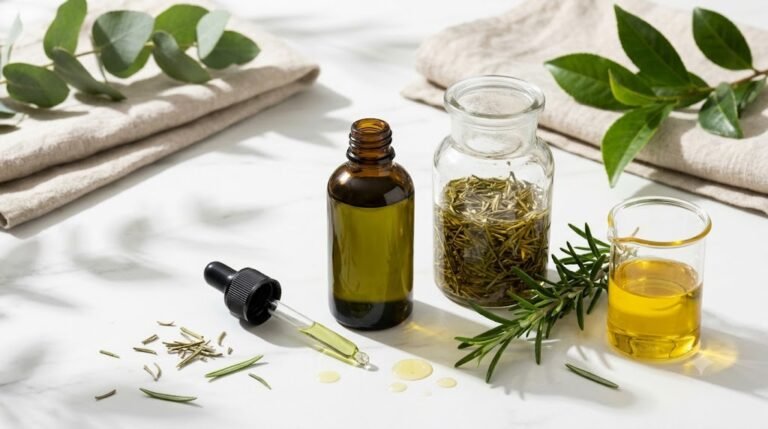
Certified Organic Dried Rosemary: 1/2 cup (approx. 25 grams) of whole dried needles. Non-negotiable rule: Always use completely dehydrated rosemary. Fresh rosemary contains intrinsic plant moisture that introduces microbial spores, causing rapid bacterial spoilage and lethal Clostridium botulinum risks in anaerobic oil environments.
Selected Carrier Oil Vehicle: 1 cup (240 ml) of cold-pressed Golden Jojoba Oil or Extra Virgin Olive Oil.
Natural Antioxidant Stabilizer: 1/2 teaspoon (approx. 1000 IU) pure Vitamin E Oil (d-alpha-tocopherol).
Equipment: A sterilized 16-ounce amber glass mason jar with an airtight non-metallic lid, unbleached cheesecloth, and an amber glass dropper bottle.
Method A: The Cold Maceration Protocol (Recommended)
Botanical Activation: Lightly bruise the dried rosemary needles using a mortar and pestle for 30 seconds. This ruptures the external glandular trichomes where concentrated essential oils and diterpenes reside.
Submersion: Transfer the bruised needles into your sterilized glass mason jar. Pour your chosen carrier oil completely over the herb, ensuring all plant matter is fully submerged beneath at least 1 inch of oil.
The Maceration Window (3 to 4 Weeks): Seal the lid tightly. Place the jar in a warm, dry cabinet or on a sunny windowsill wrapped in a brown paper bag (to permit warmth while shielding delicate polyphenols from ultraviolet photodegradation). Invert the jar gently once daily for 5 seconds.
Precision Straining: After 3 to 4 weeks, line a funnel with clean cheesecloth or a nut-milk bag over a sterilized glass beaker. Pour the infused oil through, squeezing out every potent drop. Discard the spent plant matter.
Stabilization: Whisk in 1/2 teaspoon of pure Vitamin E oil to halt lipid rancidity. Transfer into an amber glass dropper bottle and store in a cool, dark location.
Method B: The Gentle Heat Infusion (Fast-Track 2-Hour Method)
Place the bruised dried rosemary and carrier oil into a heat-safe glass bowl set over a small saucepan filled with 2 inches of gently simmering water (a double boiler).
Keep the heat on low, maintaining oil temperature between 45°C and 50°C (113°F – 122°F). Never allow the oil to fry or smoke.
Let steep gently for 2 hours, stirring every 15 minutes.
Remove from heat, let cool to room temperature, strain through cheesecloth, add Vitamin E oil, and bottle.
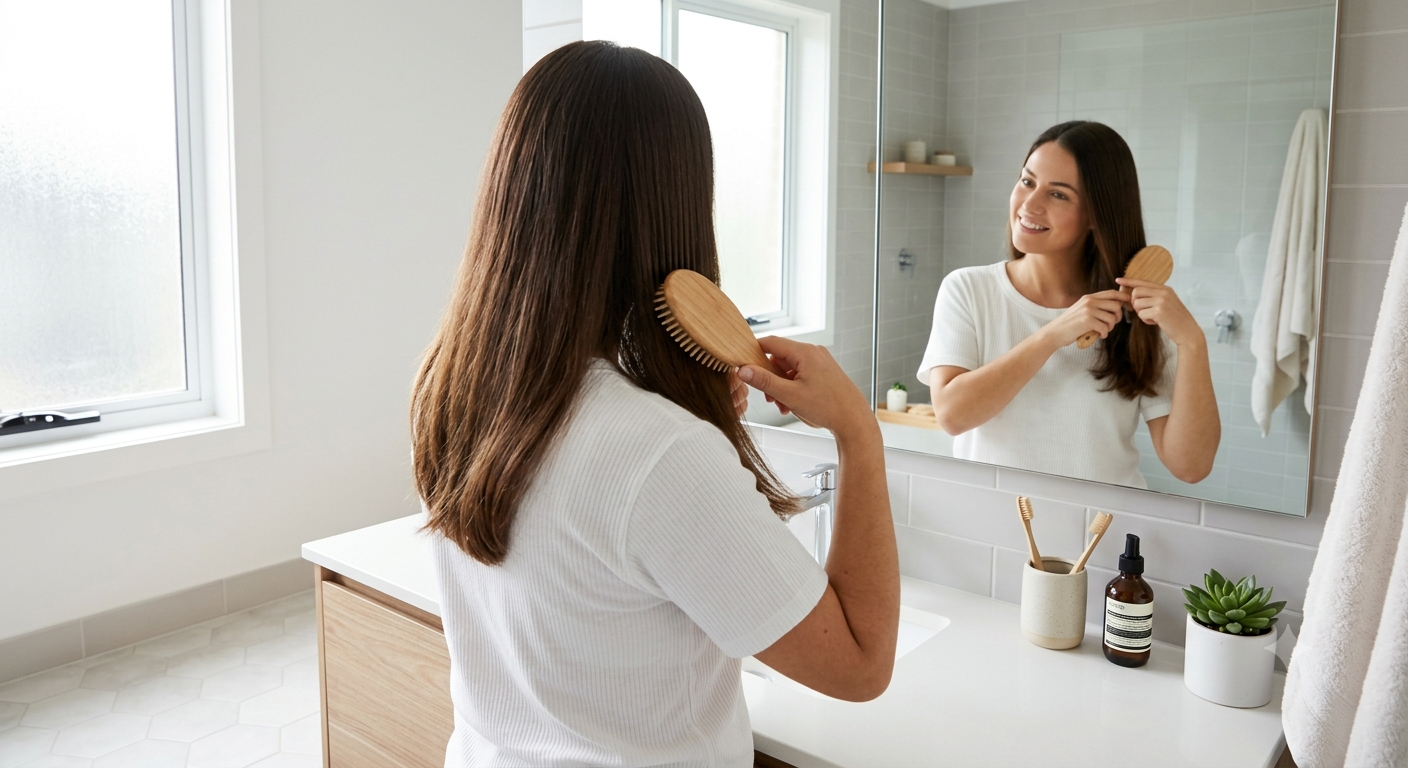
The success of botanical hair therapies is intimately coupled with application mechanics. Passive application produces negligible results; mechanical stimulation is required to mobilize the active compounds through the stratum corneum into the follicular canal:
Protocol 1: The Pre-Shampoo Follicular Treatment (2 to 3 Times Weekly)
Part clean, dry hair into 4 distinct quadrants (left temporal, right temporal, vertex crown, and occipital base).
Draw 1 full dropper of rosemary-infused oil. Apply small droplets directly onto the exposed scalp along each part line.
The Mechanical Inversion Massage: Using the fleshy pads of your fingertips (never fingernails), massage your scalp using firm, deliberate circular strokes for 5 to 7 minutes. Lowering your head slightly below heart level enhances micro-capillary vasodilation.
Allow the oil to penetrate for a minimum of 45 minutes, up to a maximum of 2 hours. Cover with a warm microfiber towel or reusable shower cap to encourage absorption.
Cleanse thoroughly in the shower using a gentle sulfate-free clarifying shampoo. Lather twice if necessary to ensure all oil is removed from pore openings.
Protocol 2: The Multi-Herb Power Synergy (Rosemary + Fenugreek)
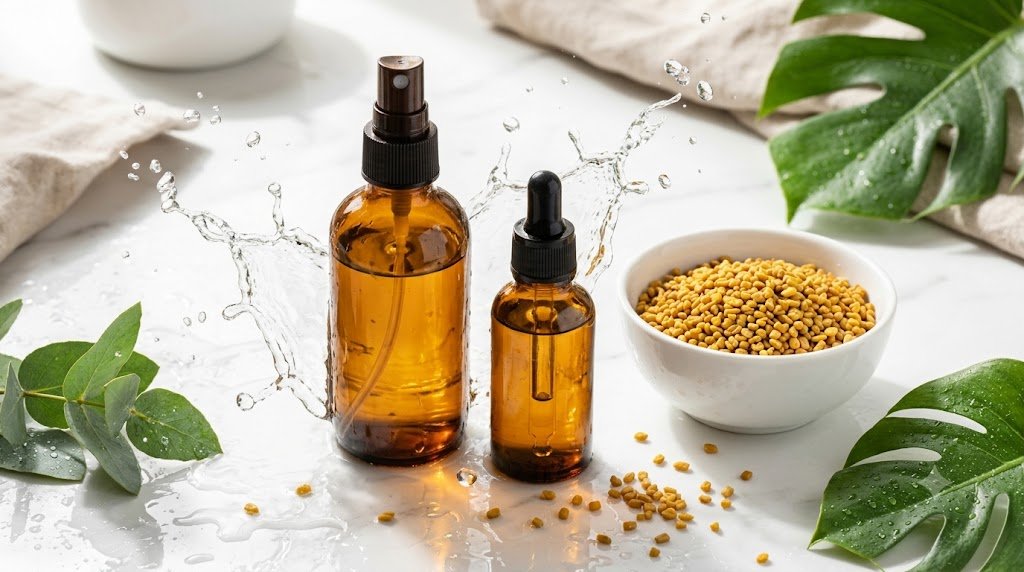
To maximize your hair growth velocity, alternate between aqueous hydrators and lipid sealers. On Monday and Thursday mornings, mist your scalp with our fenugreek water hair tonic for protein enrichment. On Wednesday and Sunday evenings, perform your rosemary oil scalp massage. This rhythm delivers water-soluble polysaccharides alongside lipid-soluble terpenes, promoting complete follicle support.
7. Comparative Analysis: Homemade Rosemary Oil vs. Commercial Formulations
Diagnostic Parameter
DIY Cold-Macerated Rosemary Oil
Mass-Market Commercial Rosemary Oil
Active Phytochemicals
Full spectrum of intact diterpenes, carnosic acid, and volatile monoterpenes.
Often contains <1% synthetic fragrance or steam-stripped fractions.
Base Carrier Quality
100% pure cold-pressed botanical oils (Jojoba, Olive, Argan).
Frequently formulated with comedogenic mineral oil or isopropyl myristate.
Preservation Standard
Natural non-toxic Vitamin E (mixed tocopherols).
Synthetic BHT, parabens, and chemical biocides.
Cost Efficiency
Exceptionally economical ($3–$5 per 250ml batch).
Premium retail markups ($20–$45 per 50ml bottle).
8. Storage, Preservation Science, and Rancidity Prevention
Vegetable carrier oils are structurally composed of unsaturated fatty acids that undergo chemical oxidation when exposed to heat, ambient oxygen, and ultraviolet light. Lipid peroxidation turns therapeutic oils rancid, generating cytotoxic aldehydes that irritate the scalp and damage follicular cells. Maintain the bio-integrity of your rosemary oil with these preservation principles:
Critical Preservation Benchmarks
Amber Glass Protection: Always decant your finished oil into dark amber, cobalt blue, or opaque glass dropper bottles. Dark glass filters damaging ultraviolet wavelengths that degrade monoterpenes.
The Tocopherol Seal: Never omit Vitamin E oil. Adding 0.5% Vitamin E donates hydrogen electrons to lipid peroxy radicals, interrupting rancidity cycles and extending your oil’s stability up to 12 months.
Ambient Storage: Keep the bottle in a cool, dark cupboard away from bathroom humidity and direct heat. Do not freeze pure oils, as low temperatures cause solid crystallization of lipid wax esters.
While cold-macerated rosemary oil is biocompatible and safe for most individuals, concentrated terpenes demand sensible application protocols:
Never Apply Undiluted Pure Essential Oils: If you fortify your homemade oil with commercial rosemary essential oil, never exceed a 1% to 2% dilution threshold (3 to 6 drops of essential oil per 30ml of carrier oil). Pure undiluted essential oils provoke severe chemical burns and permanent contact dermatitis.
Mandatory 24-Hour Cutaneous Patch Test: Place 3 drops of your finished rosemary oil onto the clean skin of your inner forearm or behind your earlobe. Leave unwashed for 24 hours. If erythema, burning, swelling, or hives appear, rinse immediately and discontinue use.
Pregnancy & Epilepsy Considerations: Rosemary contains trace camphor, which in heavy therapeutic concentrations acts as a mild vascular stimulant. Pregnant individuals and those diagnosed with epilepsy should consult their physician before initiating intensive rosemary scalp therapies.
10. Frequently Asked Questions (FAQ)
How many months does it take to see visible hair regrowth?
Hair follicles progress through slow biological chronologies. Clinical trials demonstrate that measurable changes in hair density and reduction in shedding become evident between 3 and 6 months of consistent application (applied 2 to 3 times weekly alongside regular scalp massage). Patience and consistency are paramount.
Can I leave rosemary oil on my scalp overnight?
For individuals with healthy, non-reactive scalps, leaving a light application of rosemary jojoba oil on overnight is generally safe. However, if you struggle with dandruff, seborrheic dermatitis, or an oily scalp, leaving heavy lipid layers on overnight can feed Malassezia yeast. For those hair types, a 45-to-60 minute pre-shampoo treatment is far more effective.
Will rosemary oil darken light blonde, platinum, or silver hair?
Rosemary does contain natural astringent polyphenols and trace tannins that can impart a very subtle, gradual darkening effect to light, porous, or bleached hair with frequent use. If you have icy blonde or gray hair, consider our lighter, water-based rosemary water hair rinse instead of rich infused oils.
Can I use fresh rosemary instead of dried rosemary leaves?
No. Using fresh rosemary in oil infusions introduces water into an anaerobic environment, which causes rapid mold colonization and creates a breeding ground for Clostridium botulinum. Always ensure your rosemary needles are completely dry and moisture-free before submerging in carrier oils.
11. Editorial Medical Disclaimer & Final Thoughts
Editorial Medical Disclaimer: The holistic and botanical methodologies compiled by Boldskys are published strictly for educational and informational enlightenment. They do not constitute formal medical counsel, clinical diagnosis, or prescriptive dermatological direction. Always consult a certified dermatologist or trichologist before introducing intensive botanical remedies to treat progressive alopecia or autoimmune scalp disorders.
Restoring robust hair density and halting chronic shedding is an organic process requiring botanical integrity and clinical patience. By stepping away from synthetic chemical serums and formulating your own cold-macerated DIY Rosemary Hair Growth Oil, you provide your hair roots with active, unadulterated botanical medicine.
Bruise your first batch of dried organic rosemary needles today, submerge them in your chosen carrier oil, and begin your journey toward revitalized, naturally thicker, resilient hair.