How to Make a DIY Rice Water Hair Rinse: The Definitive Fermentation & Elasticity Guide
Published by Boldskys Editorial Team | Trichologically & Biochemically Reviewed | 12 Min Read
Executive Botanical Highlights (TL;DR)
Inositol Core Infiltration: A cyclic carbohydrate capable of penetrating fractured hair shafts, shielding the cortex against mechanical friction even after thorough rinsing.
Fermentation Acidification: Controlled 24-hour fermentation converts basic starch waters into an acidic bio-tonic (pH ~4.5) loaded with pitera and amino acids.
Overload Prevention: Tailored rinsing schedules protecting protein-sensitive and low-porosity strands from brittle snapping.
1. Introduction: The Heian Court, Red Yao Heritage, and Modern Hair Fiber Recovery
Across the historical annals of biological cosmetic anthropology, few natural remedies boast as documented and visually arresting a lineage as Yu-Su-Ru—the ancestral practice of washing hair with fermented grain waters. Emerging initially during Japan’s classical Heian Period (794 to 1185 CE), court noblewomen were celebrated for maintaining floor-length, lustrous tresses called Kurokami by cleansing their fibers exclusively with specialized rice infusions. Concurrently, high within the mountainous terrain of Guangxi, China, the ethnic Red Yao women of Huangluo village have captured the attention of international dermatologists and Guinness World Records alike. Demonstrating floor-sweeping hair lengths averaging 1.8 meters that retain deep ebony pigmentation well into their eightieth year, these women attribute their hair resilience to a singular, non-negotiable ritual: fermented rice water decoctions.
In contemporary North America and Western Europe, where hair fibers are systematically subjected to thermal curling irons, bleaching peroxides, sulfate surfactants, and hard chlorinated shower water, hair damage has escalated into an epidemic of cortex porosity. Commercial bond-builders and protein conditioners command premium retail markups, yet frequently coat strands in synthetic dimethicone polymers that create temporary cosmetic slip without restoring internal biological tensile strength.
Mastering the preparation of a genuine DIY rice water hair rinse at home bridges ancestral botanical wisdom with cutting-edge hair science. By decoding the molecular dynamics of carbohydrate absorption, amino acid bonding, and pitera formation, this masterclass provides the definitive blueprint for utilizing grain fermentation to stop mid-shaft breakage, close lifted cuticles, and supercharge healthy hair elasticity.
2. Trichological Biochemistry: Why Fermented Rice Water Fortifies Hair Keratin
The remarkable capacity of fermented rice water to transform limp, chemically depleted, or snapped hair shafts into lustrous ribbons of elasticity is driven by specific organic molecules acting directly within the hair’s architecture:
A. Inositol: The Internal Cortex Penetrator
Hair is not an inanimate string; it is a complex biological composite comprising a central medulla, a structural cortex rich in keratin bundles, and an external shingles-like cuticle. Most topical proteins boast molecular weights too substantial to penetrate beneath the outer surface scales. However, independent research indexed by the National Center for Biotechnology Information (NCBI) highlights the extraordinary pharmacokinetic behavior of inositol (a cyclic polyol carbohydrate heavily concentrated in rice water).
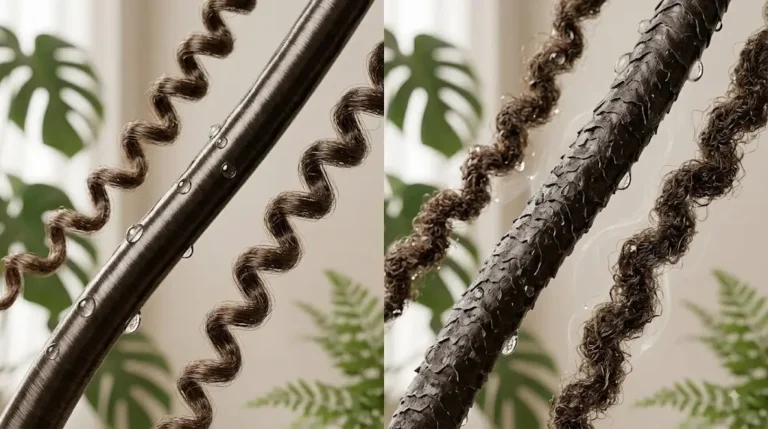
Specialized spectroscopic imaging demonstrates that low-molecular-weight inositol navigates deep through compromised cuticle gaps, docking directly within the fibrous keratin chains of the inner cortex. Crucially, once absorbed, inositol remains anchored within the hair fiber even after repeated rinsing with fresh water, maintaining sustained internal lubrication, dramatically reducing mechanical surface friction, and elevating elasticity so hair stretches under tension rather than snapping.
B. Amino Acid Hydrolysis and Protein Synthesis
Rice grain storage proteins (primarily oryzenin) consist of high-density polypeptide chains. Through fermentation, natural enzymes break these macroscopic proteins down into free hydrolyzed amino acids—notably cysteine, arginine, serine, and glutamic acid. Cysteine is the foundational sulfur-bearing amino acid essential for synthesizing disulfide covalent bonds ($-\text{S}-\text{S}-$). When applied topically, hydrolyzed rice peptides cross-link with fractured keratin sites, reinforcing high-porosity fractures and patching chipped cuticle segments.
C. Pitera and Organic Acid Synthesis
Fermentation is an active biological conversion mediated by ambient yeasts and wild lactic acid bacteria. During this transformation, starches are catabolized into pitera—a nutrient-dense broth teeming with peptides, trace minerals, organic acids, and B-vitamins. Concurrently, lactic acid bacteria synthesize organic acids that depress the solution’s pH from a neutral/alkaline 7.2 down to an optimal acidic range of 4.5 to 5.0. This physiological acidity signals the outer cuticular scales to contract, flattening down tightly against the hair shaft, which locks moisture in and creates a reflective, mirror-like gloss.
3. Quantitative Biochemical Composition of Oryza Sativa Steepings
Evaluating the nutritive density of fermented rice water reveals why it functions as a comprehensive biological fortifier per 100 ml of fermented liquid extract:
Nutritional Constituent
Bioactive Category
Concentration Estimate
Targeted Hair Benefit
Inositol
Cyclic Polyol / B-Vitamin Factor
180 mg – 250 mg
Penetrates the internal cortex; boosts elasticity and eliminates combing friction.
Regulates rinse pH down to ~4.5, forcing cuticles flat for glossy shine.
Pantothenic Acid (B5)
Water-Soluble Vitamin
85 mg – 110 mg
Attracts atmospheric hydration and thickens individual strand diameters.
4. The Fermentation Chemistry: Why Raw Soak Fails and Fermentation Succeeds
A prevalent internet trend encourages individuals to merely soak raw rice in water for 30 minutes, strain the cloudy liquid, and splash it onto their hair. From a cosmetic chemistry perspective, raw rice water is fundamentally ineffective and potentially damaging for two scientific reasons:
Alkaline pH Hazard: Fresh, unfermented rice water exhibits a pH between 7.0 and 7.5. Human hair cuticles possess an isoelectric point of pH 3.67, with the scalp mantle naturally stabilizing between 4.5 and 5.5. Pouring an alkaline liquid onto the hair forces the cuticle shingles to swell open and flare outwards, exacerbating frizz, tangle formation, and fiber breakage.
Un-Cleaved Macromolecules: Unfermented rice starch exists in long, complex carbohydrate polymers too massive to cross into the cortex. Fermentation initiates enzymatic hydrolysis, breaking these giant starches down into bio-assimilable sugars, inositol isomers, and low-molecular amino peptides capable of genuine cortical penetration.
5. Master Formulation Card: Traditional Fermented Yao Rinse Recipe
To recreate the authentic, shelf-stable, aromatic formulation celebrated in Huangluo village, execute this precise botanical decoction protocol:
Authentic Fermented Yao Rice Water Rinse
Batch Yield: 500 ml | Fermentation Window: 24 to 48 Hours | pH Balanced ~4.5
Traditional Herbal Protocol
Raw Ingredients & Laboratory Tools:
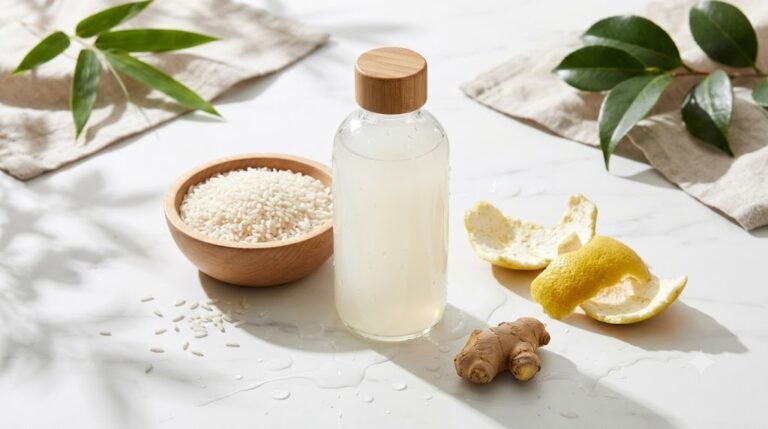
Organic Short-Grain White or Jasmine Rice: 1 cup (approx. 180 grams). Opt for certified organic rice to guarantee zero synthetic pesticide residues. White rice produces higher inositol and starch extraction than brown rice.
Steam-Distilled Water: 3 metric cups (750 ml).
Citrus Reticulata Peels: Peels of 1 organic grapefuit, orange, or pomelo (the traditional Yao ingredient). Citrus peel introduces natural citric acid for pH buffering and d-limonene to neutralize sour yeast fermentation aromas.
Fresh Ginger Rhizome: 1-inch knob, peeled and sliced thin (adds circulatory zing and antimicrobial stability).
Equipment: Sanitized 1-quart glass mason jar, fine mesh strainer, stainless steel pot, and glass storage jug.
The Step-by-Step Yao Extraction Protocol:
The Impurity Purge: Place 1 cup of raw rice into a strainer. Rinse thoroughly under cool water for 30 seconds to wash away ambient dust, packaging residues, and stray field dirt. Discard this initial rinse water.
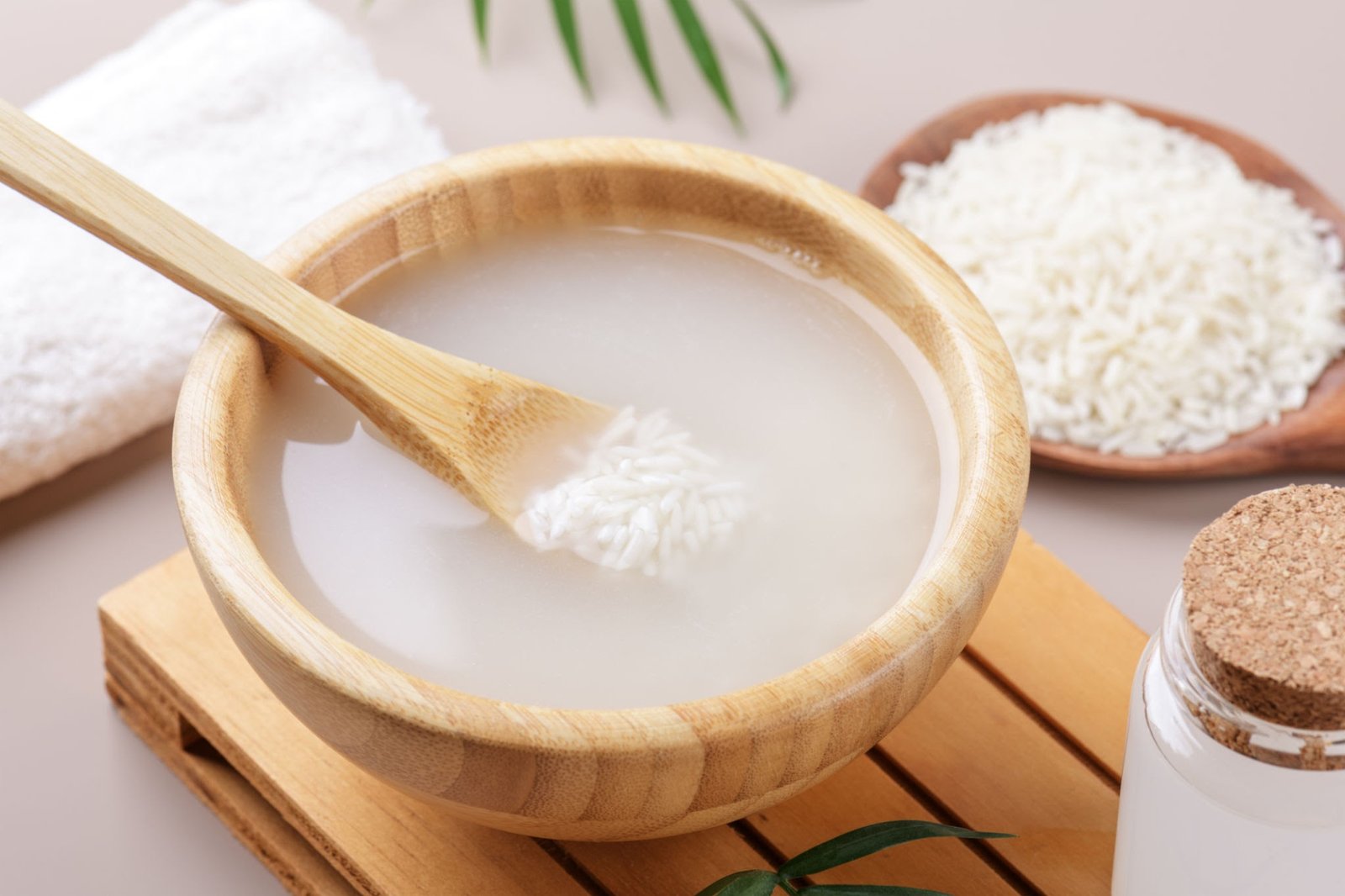
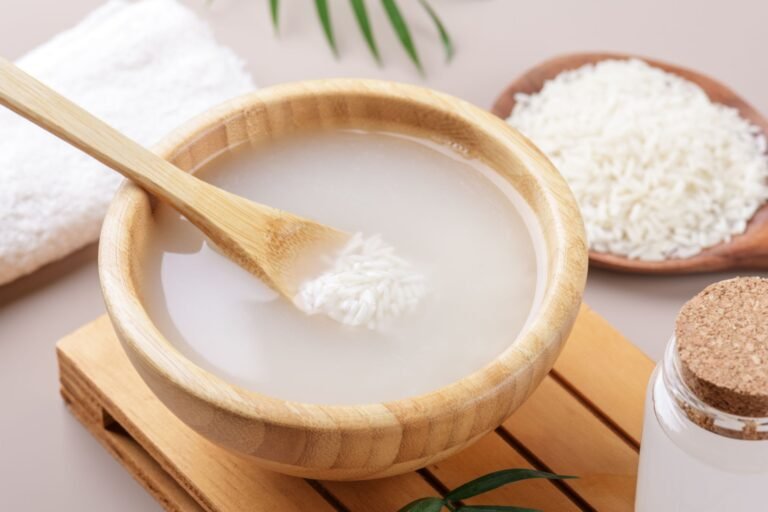
The Deep Knead: Transfer the washed rice to your glass mason jar. Pour in 3 cups of distilled water. Vigorously massage and swirl the rice grains between your fingers for 3 to 4 minutes. The water will transition from clear to a rich, milky, opaque white fluid as surface starches suspend.
The Active Fermentation Window (24 to 48 Hours): Seal the jar securely. Place it in a warm, dark cupboard at room temperature (~21°C – 25°C / 70°F – 77°F). Let ferment undisturbed for 24 hours (in warm seasons) or up to 48 hours (in cooler winter climates).
Chemical Verification: The liquid is ready when tiny gas bubbles ascend from the rice base and the aroma turns slightly sour, tangy, and yeasty.
The Herbal Yao Decoction: Strain the milky fermented liquid away from the rice into a stainless steel pot (the spent rice can be cooked immediately for consumption). Add your organic pomelo/orange peels and sliced ginger. Bring the mixture to a rolling boil over medium-high heat.
Microbial Pasteurization: Allow the mixture to simmer gently on low for 10 minutes. This crucial boiling step accomplishes two objectives: it pasteurizes the live yeast culture (halting wild over-fermentation) and leaches aromatic citrus terpenes and gingerols into the rinse.
Cooling & Decanting: Remove from heat and allow the decoction to cool completely to room temperature. Strain through a fine mesh sieve into an amber glass pitcher or spray bottle. Store sealed in your refrigerator.
6. Application Protocol: Step-by-Step Salon Rinse and Steaming
To maximize inositol penetration without creating rigid protein crystallization on your hair cuticle, execute this salon-grade application method once weekly:
Step 1: Cleanse Thoroughly: Wash your scalp and strands using a gentle, sulfate-free clarifying shampoo to purge silicone buildup, excess sebum, and ambient dust. Rinse thoroughly with warm water.
Step 2: Thermal Cuticle Drench: Squeeze out excess dripping water. Pour 1 to 2 cups of chilled or room-temperature fermented rice water slowly across your scalp and through the entire length of your hair. Catch the runoff in a clean plastic basin and pour it over your hair a second time to guarantee complete saturation.
Step 3: Scalp & Fiber Massage: Using the fleshy pads of your fingers, massage your scalp in circular motions for 3 minutes, then gently stroke your hair lengths downward to smooth cuticle shingles.
Step 4: The Greenhouse Steam (15 to 20 Minutes): Gather your hair, pin it with a plastic clip, and cover with a reusable plastic shower cap. Wrap a warm, damp towel around the exterior (or sit under a hooded hair steamer). The mild enclosed warmth expands cuticular micro-gaps, permitting inositol to penetrate straight into the cortex.
Step 5: The Essential Fresh Water Rinse: Remove the cap and rinse your hair thoroughly with cool, fresh tap or filtered water for at least 2 minutes.Never leave rice water on your hair as a leave-in treatment. Free-floating starches will dry into a stiff, crunchy crust that invites hair breakage.
Step 6: Condition & Seal: Apply your favorite lightweight hydrating conditioner or 2 drops of botanical oil to mid-lengths and ends to lock in hydration.
7. Diagnostic Troubleshooting: Managing Protein Overload and Low Porosity
While rice water is widely celebrated as a miracle elixir, incorrect application can trigger adverse cosmetic outcomes. Recognize these signs to adjust your routine:
A. Protein Overload (Brittle, Straw-Like Texture)
If your hair feels stiff, dry, tangled, and snaps upon gentle stretching after a rice water treatment, you are experiencing protein/starch overload. This occurs when excessive amino peptides coat the hair exterior, choking out moisture absorption.
The Fix: Cease all rice water applications for 3 to 4 weeks. Treat hair with deep moisturizing, protein-free botanical hydrating masks (such as pure aloe vera gel or honey infusions) until elasticity is fully restored.
B. Porosity-Specific Frequency Calibration
High Porosity / Chemically Bleached Hair: Cuticles are permanently lifted and compromised. Use the rice water rinse once every 7 to 10 days to continuously replenish lost structural peptides.
Low Porosity / Fine Hair: Cuticle shingles lie tightly bound like armor. Dense proteins struggle to enter and accumulate on the exterior. Use the rinse only once every 3 to 4 weeks, always diluted 50/50 with pure distilled water.
8. Chemical Stability, Odor Neutralization, and Preservation Dynamics
Fermented rice water contains nutrient-rich biological compounds without synthetic biocides. If neglected on a warm kitchen counter, wild yeasts will continue to ferment the brew into a foul, pungent, vinegar-sour sludge teeming with opportunistic mold spores.
Preservation & Storage Matrix
Refrigeration (4°C / 39°F): 7 to 10 days maximum after boiling. Cold temperatures arrest residual microbial activity, maintaining freshness.
Deep Freezing: Up to 6 months. Pour the cooled decoction into silicone ice cube trays and freeze solid. Melt 3 to 4 cubes in a glass bowl before your wash day ritual.
Odor Countermeasures: If you find the fermented tang displeasing, whisk 4 drops of organic Lavender Essential Oil or Peppermint Essential Oil into the refrigerated batch. This masks yeasty undertones with a fresh botanical scent while stimulating scalp circulation.
9. Contraindications, Scalp Flora Imbalance, and Safety Boundaries
Clinical Precautions & Microbiome Safety
While rice water is a non-toxic whole food, topical application requires basic scalp hygiene discipline:
Seborrheic Dermatitis & Malassezia Flare-Ups: If you struggle with severe dandruff, fungal acne, or seborrheic dermatitis, avoid soaking your scalp in grain starches. Free carbohydrates can feed lipophilic Malassezia yeasts, triggering scalp redness, scaling, and severe pruritus. For those scalps, apply the rinse exclusively to the hair lengths and ends.
The Mandatory Cutaneous Patch Test: Dab a quarter-sized splash of fermented rice water onto your inner forearm or behind your ear. Allow it to dry undisturbed for 24 hours. If burning, hives, or erythema manifests, do not proceed.
Always Pasteurize: Never skip the 10-minute boiling step. Boiling kills uncontrolled wild bacterial strains that could provoke scalp infections.
10. Frequently Asked Questions (FAQ)
Can I leave rice water in my hair without rinsing it out?
No. Rice water is rich in heavy starches and proteins. If left on the hair as a leave-in mist, it will dry into a stiff, brittle film that flakes, attracts environmental dirt, and causes the hair shaft to snap when brushed. Always thoroughly rinse it out with clean water after 15 to 20 minutes.
Which rice variety yields the best hair growth results?
Plain organic short-grain white rice, jasmine rice, or glutinous sticky rice are ideal. White rice yields the cleanest fermentation and highest starch-to-inositol ratio without introducing excess insoluble fiber. Avoid highly processed instant parboiled rices, which have been stripped of bioavailable nutrients.
Can I use rice water on color-treated or bleached hair?
Yes. In fact, color-treated and bleached hair benefits significantly from rice water because the chemical lightening process strips natural lipids and punctures cortical bonds. Fermented rice water deposits inositol and hydrolyzed peptides straight into these fractures, visibly reducing wash-day breakage.
How quickly will I notice accelerated hair growth?
While rice water immediately improves detangling slip and hair gloss from the very first session, visible gains in retained length typically manifest within 8 to 12 weeks of consistent weekly use. Rice water accelerates length retention primarily by preventing strand breakage rather than speeding the genetic rate of root production.
11. Editorial Medical Disclaimer & Final Thoughts
Editorial Medical Disclaimer: The historical, botanical, and cosmetic protocols documented by Boldskys are compiled solely for informational, educational, and aesthetic purposes. They do not constitute certified clinical counsel, formal medical diagnosis, or prescription therapeutic care. Always consult a licensed trichologist or dermatologist regarding severe scalp disorders, alopecia areata, or chronic hair thinning.
Achieving breathtaking hair length, resilience, and radiant gloss does not require sacrificing your budget to synthetic salon masks. By respecting the ancient biological chemistry of fermented rice water, you provide your hair fibers with inositol-rich cortical reinforcement and natural acidic cuticle smoothing.
Begin your first gentle fermentation batch tonight, master your steaming ritual, and experience the transformative power of time-tested botanical hair science.