Introduction
Following a Hair Care Routine for Damaged Hair is about building simple, consistent habits that help protect your hair from everyday wear and tear.
Hair can become damaged over time due to many factors, including frequent heat styling, chemical treatments, environmental exposure, rough handling, and daily grooming habits. While damaged hair cannot always be restored to its original condition, adopting gentle hair care practices may help improve its appearance and reduce further damage.
This guide shares practical daily habits that can help you care for damaged hair while supporting healthier-looking hair over time.
Table of Contents
📚 Related Reading
Start with the Complete Guide
Before building a routine for damaged hair, explore our Complete Hair Care Guide to understand the essential daily habits that support healthy-looking hair.
What Is Damaged Hair?
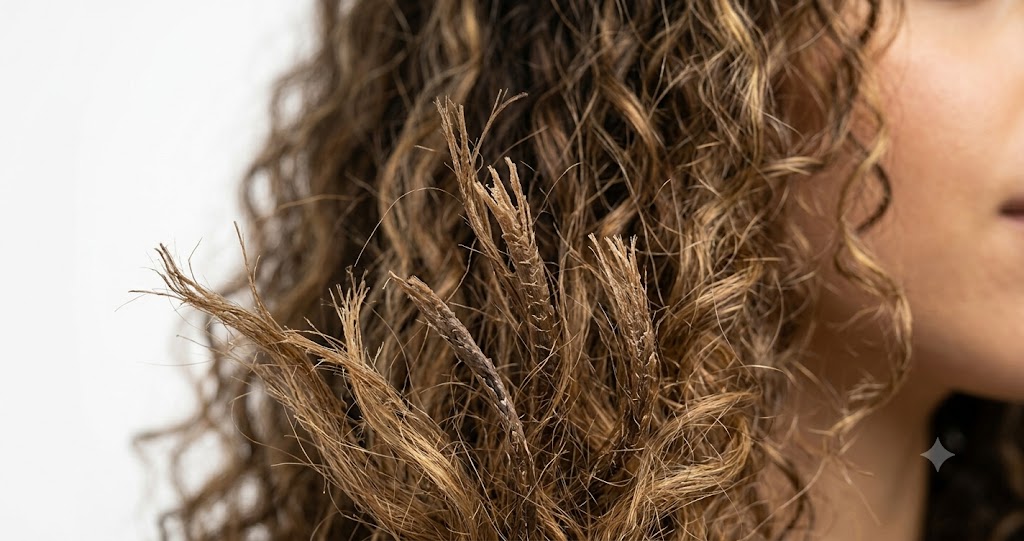
Damaged hair refers to hair that has lost some of its natural strength, smoothness, or elasticity.
Common signs may include:
- Hair that feels rough
- Split ends
- Increased breakage
- Dull appearance
- Difficulty managing hair
- Hair that tangles easily
These signs can vary from person to person depending on hair type and lifestyle.
What Causes Hair Damage?
Hair damage usually develops gradually rather than overnight.
Some common contributing factors include:
Excessive Heat Styling
Frequent use of hair dryers, straighteners, curling irons, and other heated styling tools may affect the condition of hair over time.
Whenever you use heat styling tools:
- Follow the manufacturer’s instructions.
- Avoid unnecessarily high temperatures.
- Limit repeated heat styling where possible.
If you are noticing both breakage and increased shedding, our Hair Care Routine for Hair Fall guide covers gentle daily habits that can complement a damage-conscious routine.
Chemical Treatments
Hair coloring, bleaching, relaxing, or perming may change the structure of the hair.
Always:
- Follow product instructions carefully.
- Allow adequate time between chemical treatments.
- Consider consulting a qualified hair professional for complex treatments.
Because damaged hair can sometimes behave differently around moisture, it may also help to understand how low and high porosity hair differ.
Environmental Exposure
Daily exposure to sunlight, wind, pollution, chlorinated water, or salt water may influence the appearance of hair.
Protective hairstyles and appropriate hair care habits may help reduce unnecessary exposure.
Protecting your hair from environmental stress also means paying attention to exposed scalp areas, so learn more about practical Scalp Sun Protection for outdoor days.
Rough Hair Handling
Simple daily habits may also contribute to hair damage.
Examples include:
- Brushing aggressively
- Pulling knots forcefully
- Tight hairstyles every day
- Rough towel drying
- Sleeping with wet hair
Gentle handling can help reduce unnecessary stress on the hair.
📚 Related Reading
Avoid Common Hair Care Mistakes
Many cases of hair damage are linked to everyday habits.
Read our Common Hair Care Mistakes guide to learn which habits you should avoid.
Signs Your Hair Care Routine Needs Improvement
You may want to review your routine if you notice:
- Frequent breakage
- Split ends increasing over time
- Hair becoming difficult to manage
- Hair looking dull after washing
- Increased tangling
- Dry-looking hair despite regular care
These signs do not always indicate serious damage, but they may suggest that your routine could be adjusted.
Daily Hair Care Routine for Damaged Hair
Consistency is often more important than using many different products.
A simple daily routine may include:
If you’re experiencing both breakage and increased shedding, our Hair Care Routine for Hair Fall guide explains simple daily habits that complement a healthy hair care routine.
Morning
- Detangle gently if needed.
- Avoid unnecessary heat styling.
- Protect hair from harsh weather.
- Avoid pulling hair into extremely tight hairstyles.
Throughout the Day
- Minimize unnecessary touching of your hair.
- Be gentle when restyling.
- Protect your hair during outdoor activities if appropriate.
Evening
- Detangle gently before bed.
- Remove accessories carefully.
- Prepare your hair for comfortable overnight care.
Small daily habits often have a greater long-term impact than frequently changing products.
⭐ Expert Tip
Instead of introducing several new hair products at once, try one product at a time.
This makes it easier to understand how your hair responds and helps you identify what works best for your routine.
📚 Related Reading
Learn a Healthy Morning Routine
Start your day with healthy hair habits by reading our Morning Hair Care Routine guide.
Choosing Hair Care Products
No single product works for everyone.
When selecting hair care products, consider:
- Your hair type
- Your scalp condition
- Your daily routine
- Your styling habits
- Product instructions
Choose products that match your individual needs rather than following trends alone.
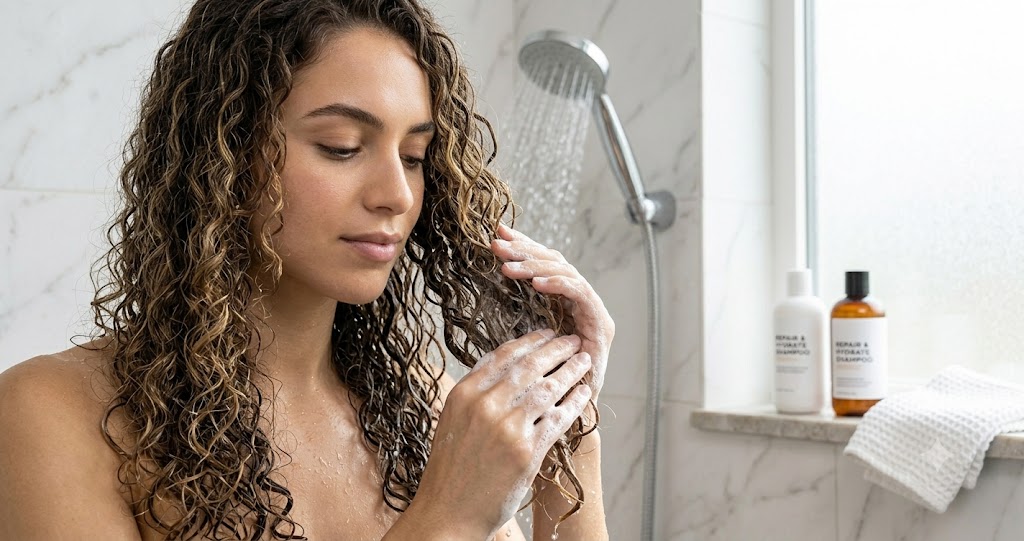
Gentle Washing Routine
A gentle washing routine may include:
- Washing according to your individual needs.
- Using lukewarm water if comfortable.
- Massaging the scalp gently.
- Rinsing thoroughly.
- Avoiding vigorous scrubbing.
Overwashing or using excessively hot water may not suit every hair type.
💡 Quick Tip
Water temperature matters.
Many people find lukewarm water more comfortable for washing hair than very hot water.
📚 Related Reading
Does Your Hair Feel Dry Too?
If your damaged hair also feels dry, read our Hair Care Routine for Dry Hair guide for additional daily care ideas.
Conditioner Tips
Conditioner can help improve the appearance and manageability of damaged hair.
General tips include:
- Apply according to the product instructions.
- Focus on the mid-lengths and ends if appropriate.
- Avoid using more than recommended.
- Rinse thoroughly.
Every product should be used according to its instructions.
Hair Drying Routine for Damaged Hair
The way you dry your hair can influence how manageable and healthy it looks over time.
Consider these gentle drying habits:
- Gently squeeze excess water instead of twisting your hair.
- Pat your hair dry with a soft towel or microfiber towel instead of rubbing vigorously.
- Allow your hair to air dry whenever practical.
- If using a hair dryer, follow the manufacturer’s instructions and avoid holding it too close to your hair.
Being gentle during this step may help reduce unnecessary friction.
💡 Quick Tip
Avoid brushing soaking wet hair aggressively.
If you need to detangle wet hair, do so gently using a method that suits your hair type.
Morning Hair Care Routine for Damaged Hair
Your morning routine sets the tone for the rest of the day.
A simple routine may include:
- Gently arrange your hair without excessive brushing.
- Protect your hair from direct sunlight when spending long periods outdoors.
- Avoid unnecessary heat styling whenever possible.
- Keep hairstyles comfortable instead of excessively tight.
Small daily habits are easier to maintain than complicated routines.
📚 Related Reading
Start Your Day with Healthy Hair Habits
Read our Morning Hair Care Routine guide for practical daily hair care tips.
Night Hair Care Routine for Damaged Hair
Night care is often overlooked, but it can help reduce friction while you sleep.
Helpful habits include:
- Remove clips and accessories before bed.
- Detangle gently if needed.
- Keep your pillowcase clean.
- Choose a comfortable sleeping hairstyle that does not pull excessively on your hair.
Preparing your hair before bedtime may make morning styling easier.

📚 Related Reading
Healthy Hair Starts Before Bedtime
Our Night Hair Care Routine guide shares simple bedtime habits that may help support healthier-looking hair.
Weekly Hair Care Routine
In addition to daily care, a weekly routine can help keep your hair care habits organized.
Once Each Week
- Clean your combs and brushes.
- Review your hair products.
- Check for split ends.
- Avoid introducing multiple new products at once.
- Give your hair a break from unnecessary heat styling if possible.
Consistency is often more important than complexity.
Hair Care by Hair Length
Short Hair
Short hair may require less drying time, but it can still benefit from gentle handling and appropriate products.
Medium-Length Hair
Medium-length hair may tangle more easily. Gentle detangling and avoiding rough handling can help improve manageability.
Long Hair
Long hair is more likely to experience tangles because of its length.
General tips include:
- Detangle from the ends toward the roots if appropriate.
- Avoid pulling through knots.
- Secure long hair comfortably during activities.
⭐ Expert Tip
Hair length does not determine whether hair becomes damaged.
Gentle daily habits are often more important than hair length itself.
Seasonal Hair Care
Summer
Hot weather and prolonged sun exposure may affect how hair feels.
Helpful habits include:
- Wear a hat during extended outdoor activities.
- Rinse hair after swimming if needed.
- Reduce unnecessary heat styling.
Rainy Season
High humidity may make some hair types appear more difficult to manage.
Maintain a consistent routine rather than changing products frequently.
Winter
Cold and dry weather may affect how hair feels.
Many people find that maintaining a consistent conditioning routine helps improve manageability.
Hair Care by Age
Teenagers
Teenagers often experiment with hairstyles and styling products.
Learning gentle hair care habits early can help build a consistent routine.
Adults
Busy schedules sometimes lead to inconsistent hair care.
A simple routine that fits your lifestyle is usually easier to maintain.
Older Adults
Hair characteristics may naturally change with age.
Choose products and routines that suit your individual needs and consult a healthcare professional if you notice significant changes.
Common Mistakes That Can Increase Hair Damage
Avoid these common habits:
- Using excessive heat every day.
- Frequently changing hair products.
- Pulling tangled hair forcefully.
- Ignoring split ends.
- Sleeping with tight hairstyles every night.
- Skipping conditioner when it is suitable for your routine.
- Rough towel drying.
Improving just one or two daily habits can make your routine easier to follow.
If your hair also has high porosity, you may find it helpful to adjust your routine around moisture retention and gentle conditioning. See our Guide to high-porosity hair care for practical ideas.
📚 Related Reading
Is Frizz Also a Problem?
Damaged hair and frizzy hair often occur together.
Read our Hair Care Routine for Frizzy Hair guide for additional practical care tips.
Signs Your Hair Is Improving
Positive changes may include:
- Hair feels easier to manage.
- Less breakage during brushing.
- Reduced tangling.
- Smoother appearance.
- More consistent styling results.
Improvements vary from person to person and may take time depending on individual circumstances.
Hair Care Myths vs Facts
Many myths about damaged hair are shared online. Understanding the facts can help you make informed decisions about your hair care routine.
| Myth | Fact |
|---|---|
| Damaged hair can be repaired overnight. | Healthy-looking hair usually improves through consistent care over time. |
| Cutting hair makes it grow faster. | Hair growth starts at the scalp. Trimming helps remove split ends but does not change the growth rate. |
| More shampoo always means cleaner hair. | Using more shampoo than needed does not necessarily improve results. Follow the product instructions. |
| Brushing hair 100 times a day is necessary. | Excessive brushing may increase friction for some hair types. Gentle handling is generally recommended. |
| Expensive products always work better. | The most suitable product depends on your hair type, scalp condition, and individual needs. |
✅ Do’s and ❌ Don’ts
✅ Do
- Handle your hair gently.
- Follow a consistent routine.
- Read and follow product instructions.
- Protect your hair from excessive heat.
- Trim split ends when necessary.
- Keep combs and brushes clean.
- Be patient with your routine.
❌ Don’t
- Rub your hair aggressively with a towel.
- Use extremely high heat every day.
- Pull through knots forcefully.
- Change multiple products at the same time.
- Ignore persistent scalp problems.
- Expect instant results.
📅 Weekly Hair Care Planner
A simple weekly routine can make hair care easier to follow.
| Day | Suggested Routine |
|---|---|
| Monday | Gentle washing (if needed) and conditioner |
| Tuesday | Gentle detangling and protective hairstyle |
| Wednesday | Scalp check and minimal heat styling |
| Thursday | Comfortable hairstyle and gentle brushing |
| Friday | Review products and clean hair accessories |
| Saturday | Hair wash (if appropriate for your routine) |
| Sunday | Rest day with minimal styling and prepare for the week |
Remember: Your routine should match your own hair type, lifestyle, and preferences.
⭐ Expert Tip
Instead of buying many new products, focus on building a routine that you can comfortably follow every week.
Consistency usually provides better long-term results than constantly changing products.
Frequently Asked Questions (FAQ)
1. What is damaged hair?
Damaged hair refers to hair that has become weaker or more difficult to manage due to factors such as heat styling, chemical treatments, environmental exposure, or rough handling.
2. Can damaged hair become healthy again?
A consistent routine may improve the appearance and manageability of damaged hair. Results vary depending on the condition of the hair and individual circumstances.
3. How often should I wash damaged hair?
There is no single schedule that suits everyone. Washing frequency depends on your hair type, scalp condition, activity level, and personal preferences.
4. Should I avoid heat styling completely?
Many people choose to reduce unnecessary heat styling. If you use heated tools, always follow the manufacturer’s instructions.
5. Is conditioner important for damaged hair?
Conditioner may help improve the appearance and manageability of damaged hair when used according to the product instructions.
6. When should I consult a dermatologist?
If you experience persistent scalp irritation, significant hair loss, pain, swelling, or other concerning symptoms, consult a qualified dermatologist or healthcare professional.
📚 Related Reading
Build Better Hair Care Habits
Continue improving your routine with these helpful guides:
- 🌿 Complete Hair Care Guide
- 🌿 Hair Care Routine for Dry Hair
- 🌿 Hair Care Routine for Frizzy Hair
- 🌿 Hair Care Routine for Curly Hair
- 🌿 Healthy Scalp Care Guide
📍Placement: After FAQ
Trusted Resources
Readers who wish to learn more from evidence-based sources may find these official organizations helpful:
📋 Damaged Hair Care Checklist
Before finishing this guide, check whether you are already following these healthy habits.
Daily
- ✅ Handle hair gently.
- ✅ Avoid unnecessary heat.
- ✅ Protect hair outdoors when appropriate.
- ✅ Follow your routine consistently.
Weekly
- ✅ Clean combs and brushes.
- ✅ Review your hair products.
- ✅ Check for split ends.
- ✅ Reduce excessive styling.
Monthly
- ✅ Review your routine.
- ✅ Replace worn-out hair accessories if needed.
- ✅ Update your routine based on seasonal changes.
Medical Disclaimer
This article is intended for educational and informational purposes only. It is not a substitute for professional medical advice, diagnosis, or treatment. Hair care needs vary from person to person. If you experience persistent scalp irritation, unusual hair loss, pain, swelling, or other concerning symptoms, consult a qualified dermatologist or healthcare professional. Never ignore professional medical advice because of information you have read online.
People with curly hair may also benefit from reading our Hair Care Routine for Curly Hair guide.

Conclusion
Building a Hair Care Routine for Damaged Hair is about consistency rather than perfection.
Simple daily habits—such as gentle handling, reducing unnecessary heat exposure, following product instructions, and maintaining a regular routine—can help improve the appearance and manageability of your hair over time.
Every person’s hair is unique. Choose a routine that fits your hair type and lifestyle, and make gradual adjustments instead of changing everything at once.
With patience and consistent care, you can build healthy habits that support stronger-looking, more manageable hair.
🌟 Final Related Reading
Continue your Hair Care journey:
- 🌿 Complete Hair Care Guide
- 🌿 Morning Hair Care Routine
- 🌿 Night Hair Care Routine
- 🌿 Hair Care Routine for Dry Hair
- 🌿 Hair Care Routine for Oily Hair
- 🌿 Hair Care Routine for Curly Hair
- 🌿 Hair Care Routine for Frizzy Hair
- 🌿 How to Identify Your Hair Type
Learn how your scalp affects overall hair health in our Healthy Scalp Care Guide.