Quick Answer: How to Dye Hair Red and Keep It from Fading?
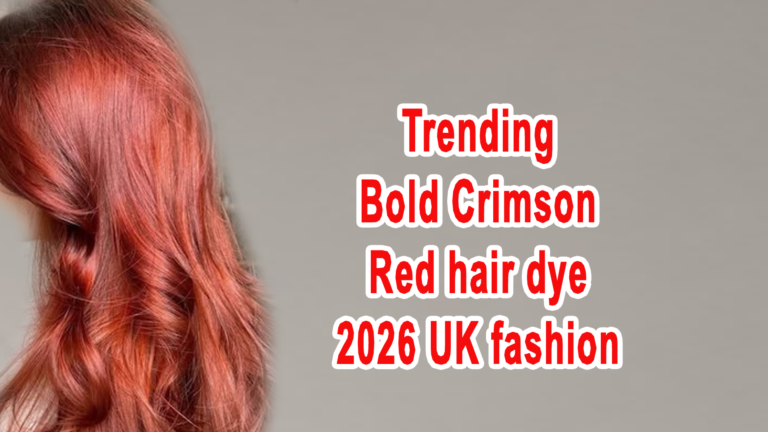
To achieve vibrant red hair dye results and prevent rapid fading, match your red shade (copper, auburn, or burgundy) to your skin undertone, apply with a 20-volume developer to unwashed dry hair, and wait a full 72 hours before shampooing. Preserve the large red pigment molecules by washing solely in cold water with sulfate-free acidic cleansers and refreshing hair weekly with a red color-depositing mask.
1. The Molecular Science: Why Red Pigment Fades Faster Than Other Colors
Red hair is bold, vibrant, and undeniably head-turning. Yet, it carries a notorious reputation among colorists and clients across the United States and the United Kingdom: it washes out faster than any other hair color spectrum. This frustration is not caused by poor-quality salon products; it is governed entirely by the physical laws of molecular chemistry.
Under microscopic spectroscopic evaluation, cosmetic color pigments exhibit varying molecular diameters. Brown and black dye molecules (eumelanin precursors) are tiny. When mixed with hydrogen peroxide, they slip easily through microscopic gaps in the cuticle, anchoring deeply inside the inner keratin cortex.
In contrast, red chromophores (erythro-pigments) are substantially larger in physical molecular volume. Because of their bulky molecular mass, they cannot penetrate deep into the cortex core; instead, they sit predominantly in the outer cortex and the cuticular mantle. According to studies indexed in the National Institutes of Health (PubMed), when water penetrates the hair shaft, cuticles expand by up to 20%, creating an immediate exit pathway for these bulky red molecules to flush down the shower drain.
To make matters worse, red dye pigments are exceptionally vulnerable to photolysis—degradation caused by natural solar ultraviolet (UV) radiation. Without a strict molecular preservation routine, red hair loses up to 50% of its color saturation within just four washes. If you are starting with damaged or bleached hair, review our clinical hair care routine for damaged hair to repair your internal bonds before introducing red dyes.
Related Scientific Read: Wet hair loses pigments rapidly under rough friction. Learn how to safely detangle hair without tension to keep color-treated cuticles flat and sealed.
Selecting the right red hair dye is not just about choosing your favorite color; it requires matching the undertones of the pigment to your biological skin complexion:
Red Dye Family
Undertone Chemistry
Best Skin Match (USA/UK)
Maintenance Level
Fiery Copper / Ginger
Warm golden-orange with strong yellow-red reflect
Fair skin with cool pink or neutral peach undertones
High (Prone to rapid brassy washout)
Classic Auburn / Cinnamon
Balanced brown-red with neutral golden undertones
All skin complexions; especially olive and warm golden tones
Low to Moderate (Strong brown anchor base)
Rich Mahogany
Deep red-violet with cool brown depth
Medium, olive, and deep rich skin tones
Moderate (Fades into soft chocolate-red)
Deep Burgundy / Wine
Cool blue-violet base with saturated crimson reflect
Cool porcelain complexions and deep melanin-rich skin
Moderate (Requires cold water to preserve violet reflect)
3. Developer Science: 10 vs. 20 vs. 30 Volume Developers
The developer (hydrogen peroxide) you mix with your red dye controls lift, deposit, and cuticle porosity:
10-Volume Developer (3% Peroxide): Zero lift; deposit-only. Perfect for toning pre-lightened hair, refreshing existing red shades, or going darker without damaging cuticles.
20-Volume Developer (6% Peroxide): Provides 1 to 2 levels of natural lift. This is the gold standard for standard home application, allowing red pigments to penetrate natural light brown or dark blonde bases while offering 100% gray coverage.
30-Volume Developer (9% Peroxide): Provides 2 to 3 levels of lift on virgin dark brown hair. While it creates bright, vibrant results on dark hair without bleach, it forces cuticles wide open, requiring intensive post-color sealing to prevent premature fading. Never use 30-volume on previously bleached or fine hair.
4. Interactive Red Hair Formulation & Maintenance Calculator
Input your natural hair starting level, desired red tone, and wash frequency below to generate your custom dyeing and anti-fading strategy:
Personalized Red Dye Formulation & Anti-Fading Engine
5. The Professional Step-by-Step Home Dyeing Protocol
Achieving even, high-impact red color at home without hot roots or patchy mid-lengths requires following this calibrated colorist protocol:
Prep and Perimeter Barrier: Ensure hair is completely dry and has not been shampooed for 24 to 48 hours. The scalp’s natural sebum creates a protective biological lipid layer that prevents chemical stinging. Apply petroleum jelly or coconut oil along your hairline, ears, and nape to prevent stubborn skin staining.
Quadrant Sectioning: Using a tail comb, divide hair into four equal quadrants: down the center part from forehead to nape, and from ear to ear across the crown. Secure sections with plastic clips. Never use metal hair clips; metal reacts with developer, triggering rapid oxidation and chemical heat.
Avoiding “Hot Roots” (Virgin Hair Application): Scalp heat accelerates chemical development. If you are applying red dye to virgin hair, apply the mixture to your mid-lengths and ends first. Allow them to process for 15 minutes before applying to the first 1 inch of your root zone. This ensures uniform color across the entire head without intensely bright, neon roots.
Precise Timing: Set a digital timer for 35 to 45 minutes as specified by your formula. Do not cover with tight plastic wrap unless instructed; oxygen is required for proper oxidative coupling of red chromophores.
The Cold-Water Acidic Seal: Emulsify color at the basin with a splash of cool water for 60 seconds before rinsing. Rinse with cool water until the stream runs nearly clear. Do not apply traditional shampoo. Immediately saturate hair with an acidic post-color treatment or deep conditioner (pH 4.0–4.5) to contract cuticular shingles and lock pigments in place.
// QUICK RED DYE APPLICATION PROTOCOL:
Step 1: Apply petroleum jelly barrier along hairline and ears.
Step 2: Section dry hair into 4 quadrants using plastic clips.
Step 3: Apply mid-lengths first; target roots last 20 mins.
Step 4: Process for 40 mins at room temperature.
Step 5: Rinse ONLY with cold water; apply acidic pH 4.0 mask.
6. The 72-Hour Anti-Fading Action Checklist
Track your critical post-dye milestones directly on your phone to lock in maximum pigment longevity:
Live 72-Hour Anti-Fading Action Checklist
7. The Hard Water Threat: Calcium and Chlorine in the US and UK
If you live in municipal hard water zones—such as London, the Southeast of England, or US states like Texas, Arizona, and California—your tap water is actively stripping your red hair:
Mineral Oxidation: Hard water is rich in dissolved calcium, magnesium, copper, and iron. When copper ions penetrate red-dyed hair cuticles, they act as catalysts for free radical oxidation under sunlight, rapidly breaking down red chromophores into dull, muddy yellow tones.
Chlorine Stripping: Municipal tap water contains trace chlorine for sanitation. Chlorine is an oxidizer that strips red dye molecules from cuticles in single wash cycles. Install a multi-stage, NSF-certified showerhead filter that neutralizes chlorine and filters heavy metals to extend the life of your red hair dye by several weeks. If you ever need to strip unwanted dye later, review our step-by-step chemical guide on how to safely use a hair color remover.
8. Restoring Compromised Red Curls & Porous Ends
Red hair dye on textured, curly, or previously bleached hair requires specialized care:
Managing Porosity Gaps: High-porosity curls soak up red dye rapidly, often appearing dark burgundy initially, but lose pigment just as quickly due to chipped cuticles. Learn how to diagnose your porosity in our guide on how to identify your hair type[cite: 1].
Curl Clump Hydration: Red permanent dye slightly lifts cuticular scales, which can disrupt natural wave and curl patterns. Follow our complete hair care routine for curly hair, incorporating the LOC method to seal moisture into your red ringlets[cite: 1].
Overnight Friction Shields: Red dye transfers onto cotton pillowcases through friction and night sweat. Protect your color vibrancy and eliminate mechanical breakage with our proven night hair care routine using dark silk or satin bonnets[cite: 1].
⚠️ Mandatory 48-Hour Cutaneous Patch Test for PPD Allergy
Permanent red hair dyes rely heavily on Paraphenylenediamine (PPD), resorcinol, and nitro-phenylenediamines to create deep auburn and mahogany tones. These coal-tar derivatives are aggressive contact sensitizers. Follow these mandatory safety instructions:
48-Hour Patch Test: Cleanse a dime-sized patch of skin behind your ear or on the inner elbow. Apply a small dab of the dye-developer mixture and leave uncovered for 48 hours. If erythema, burning, blistering, or itching develops, do not proceed with the application.
Emergency Warning: If you experience facial puffiness, eyelid swelling, or difficulty breathing during or after dyeing, call emergency medical services (911 in the USA, 999 in the UK) immediately.
Pregnancy Safety: If you are expecting, consult your physician and review our clinical safety breakdown on whether you can dye your hair while pregnant before applying chemical color[cite: 1].
Strand vs. Scalp Separation Rule
Hair dye is engineered exclusively to alter pigments within dead keratin strands. It should never be rubbed or vigorously scrubbed into living scalp tissue. Direct scalp exposure to permanent dyes can compromise the epidermal skin barrier, triggering contact dermatitis and temporary telogen shedding. Maintain a clean 0.25-inch gap from your roots when using high-lift formulas. If using natural scalp oils post-dye, check our guide on how to safely apply rosemary oil for hair growth.
10. Frequently Asked Clinical Questions
Why does red hair dye fade faster than any other color?
Red dye pigments (erythro-chromophores) have the largest molecular size of all cosmetic color molecules. Because they are too large to penetrate deeply into the keratin matrix, they sit closer to the cuticle surface, causing them to slip out rapidly during water contact and shampoo lathering.
Can you dye dark brown or black hair red without bleaching?
Yes, but you will achieve rich, deep tones like auburn, burgundy, or dark mahogany using a permanent dye paired with a 20 or 30-volume developer. Vibrant fiery copper or scarlet tones on dark bases require pre-lightening to a level 7 or 8 copper-blonde.
How long should you wait to wash hair after dyeing it red?
You must wait at least 72 hours before your first shampoo. It takes approximately 3 days for the lifted hair cuticles to close fully and for the oxidized red dye molecules to stabilize within the hair cortex.
Does hot water cause red hair dye to bleed?
Yes. Hot water causes the hair cuticle shingles to dilate and swell, allowing large red pigment molecules to wash out instantly. Always wash and rinse red-dyed hair with cool or cold water.
How do you stop red hair dye from bleeding onto pillowcases?
Ensure your hair is 100% dry before bed, use an acidic sealing rinse after dyeing, and sleep on a dark-colored silk or satin pillowcase. Never sleep on light-colored bedding while hair is damp.
Can a red color-depositing conditioner replace regular dyeing?
Yes. Using a red color-depositing mask once every week refreshes lost pigments in the outer cuticle layer, extending the life of your permanent red hair dye by up to 6 to 8 weeks.