Introduction
A Hair Care Routine for Frizzy Hair focuses on simple, consistent habits that help improve manageability while protecting your hair from unnecessary damage.
Frizz can affect many hair types, including straight, wavy, curly, and coily hair. Factors such as humidity, heat styling, rough handling, or dryness may all contribute to frizz.
Rather than searching for quick fixes, building a practical daily routine can help you care for your hair in a healthy and sustainable way.
📚 Related Reading
Before creating a routine for frizzy hair, read our Complete Hair Care Guide to learn the essential habits that support healthy-looking hair.
Table of Contents
What Is Frizzy Hair?
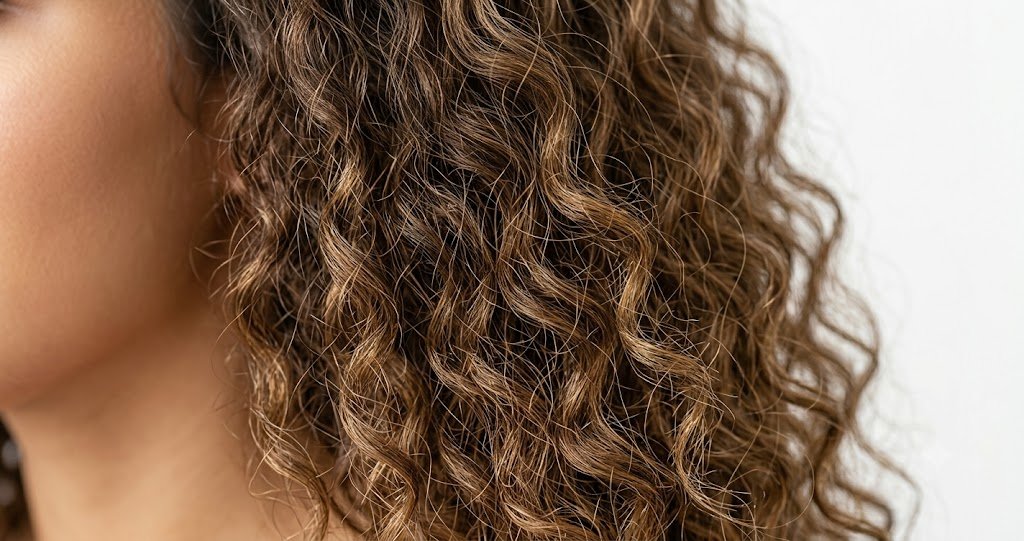
Frizzy hair refers to hair that appears difficult to control because individual strands do not lie smoothly together.
Frizz is not a hair type. It is a condition that can affect different hair textures under certain circumstances.
Some people notice more frizz during humid weather, while others experience it after frequent heat styling or excessive brushing.
Common Causes of Frizzy Hair
Several everyday factors may contribute to frizzy hair.
Humidity
Moisture in the air may change how some hair types behave, making frizz more noticeable.
Dry Hair
Hair that lacks sufficient moisture may appear rough or more difficult to manage.
For readers whose frizz is accompanied by rapid moisture loss, this guide to Caring for high-porosity hair offers another useful way to think about moisture and hair handling.
Excessive Heat Styling
Frequent use of heated styling tools may affect the appearance and condition of hair over time.
Always follow the manufacturer’s instructions when using heat tools.
Rough Towel Drying
Vigorous rubbing with a towel may increase friction and contribute to frizz.
Instead, gently blot excess water with a soft towel or microfiber towel if that works well for your routine.
Overwashing
Washing hair more often than necessary may not suit everyone.
The ideal washing frequency depends on your hair type, scalp condition, activity level, and personal preferences.
📚 Related Reading
Not sure how often to wash your hair?
Read our How Often Should You Wash Your Hair? guide for practical advice based on different hair types.
Daily Hair Care Routine for Frizzy Hair
A simple routine may include:
✅ Handle hair gently.
✅ Avoid unnecessary brushing.
✅ Use hair products according to their instructions.
✅ Reduce excessive heat styling whenever possible.
✅ Protect your hair during sleep.
Small daily habits often have a greater long-term impact than constantly changing products.
If brushing tends to make your routine more difficult, our guide to How to detangle hair offers a gentler step-by-step approach.
Common Mistakes
Avoid these common habits:
- Brushing aggressively.
- Using excessive heat.
- Frequently changing products.
- Ignoring your hair type.
- Pulling hair into overly tight hairstyles every day.
Making gradual improvements is often easier than changing your entire routine overnight.
📚 Related Reading
Know Your Hair Type
Choosing the right routine starts with understanding your hair.
Read our How to Identify Your Hair Type guide.
Wash Day Routine for Frizzy Hair
A well-planned wash day routine can help keep frizzy hair clean, manageable, and easier to style. Rather than washing on a fixed schedule, choose a routine that suits your hair type, scalp condition, and daily lifestyle.
Simple routines are often easier to maintain over time.
Choosing the Right Shampoo
When selecting a shampoo, consider:
- Your hair texture
- Your scalp condition
- Your activity level
- Your personal preferences
Always read and follow the product instructions. If you experience irritation, discontinue use and seek advice from a qualified healthcare professional if symptoms persist.
Why Conditioner Matters
Conditioner plays an important role in improving the appearance and manageability of frizzy hair.
General tips include:
- Apply according to the product instructions.
- Focus on the mid-lengths and ends if suitable.
- Rinse thoroughly.
- Avoid using more product than recommended.

📚 Related Reading
Does Your Hair Feel Dry?
Frizz is often associated with dryness. Read our Hair Care Routine for Dry Hair guide for additional practical care tips.
Gentle Hair Drying Tips
The way you dry your hair can influence how manageable it feels.
Helpful habits include:
- Gently squeeze excess water instead of rubbing vigorously.
- Use a soft towel or microfiber towel if it suits your routine.
- Avoid excessive heat when blow-drying.
- Allow your hair to air dry when practical.
Morning Routine for Frizzy Hair
A simple morning routine may include:
✅ Smooth your hair gently with your hands.
✅ Avoid excessive brushing.
✅ Style your hair using gentle techniques.
✅ Protect your hair from excessive heat and harsh weather.
Small, consistent habits often make styling easier throughout the day.
📚 Related Reading
Start Your Day with Healthy Hair Habits
Our Morning Hair Care Routine guide explains simple habits that can support healthy-looking hair every day.
Night Routine for Frizzy Hair
Night care can help reduce unnecessary friction while you sleep.
General recommendations include:
- Keep your pillowcase clean.
- Avoid hairstyles that feel excessively tight.
- Detangle gently if needed.
- Follow a routine that feels comfortable for your hair type.
Preparing your hair before bedtime may make morning styling easier.

📚 Related Reading
Protect Your Hair While Sleeping
Read our Night Hair Care Routine guide for practical bedtime habits.
Lifestyle Habits That May Help Reduce Frizz
Healthy-looking hair is influenced by more than hair products.
Helpful lifestyle habits include:
- Eating a balanced diet.
- Drinking enough water.
- Getting adequate sleep.
- Managing everyday stress.
- Staying physically active.
These habits support overall well-being, which may also influence the condition of your hair.
Seasonal Hair Care Tips
Summer
- Protect hair from prolonged sun exposure.
- Rinse hair after swimming if needed.
- Avoid excessive heat styling.
Winter
- Dry weather may make hair feel less manageable.
- Reduce unnecessary heat exposure.
- Follow a consistent conditioning routine if suitable for your hair.
Adjust your routine gradually based on seasonal changes rather than changing multiple products at once.
Along with managing frizz, Protecting Exposed Scalp Skin from Direct Sunlight can be part of a more complete outdoor hair-care routine.
⭐ Quick Tip
Managing frizz is usually about consistency, not perfection.
A simple routine that you can follow regularly is often more effective than trying many new products at once.
Frequently Asked Questions (FAQ)
1. What causes frizzy hair?
Frizzy hair can be influenced by several factors, including humidity, dryness, frequent heat styling, rough handling, and individual hair characteristics. Every person’s hair responds differently to these factors.
2. Can frizzy hair become smooth?
Many people find that a consistent hair care routine helps improve manageability. The results vary depending on hair type, lifestyle, and the underlying cause of frizz.
3. Should I brush frizzy hair every day?
This depends on your hair type and styling preferences. Some people prefer gentle detangling instead of frequent brushing to help maintain their hairstyle.
4. Does humidity increase frizz?
Humidity may affect how some hair types behave, making frizz more noticeable for many people.
Coloring can sometimes make frizz more noticeable. Learn how to protect colored hair in our Hair Care Routine for Color-Treated Hair guide.
5. Can heat styling make frizz worse?
Frequent heat styling may affect the appearance and condition of hair over time. If you use heated styling tools, always follow the manufacturer’s instructions.
📚 Related Reading
Learn More About Curly Hair
If your frizzy hair is naturally curly, explore our Hair Care Routine for Curly Hair guide for practical daily care tips.
When Should You See a Dermatologist?
Consider consulting a qualified dermatologist or healthcare professional if you experience:
- Sudden or excessive hair loss
- Persistent scalp irritation
- Pain or swelling of the scalp
- Open sores
- Severe dandruff that does not improve
- Symptoms that continue despite changing your hair care routine
A healthcare professional can evaluate the underlying cause and recommend appropriate care.
🌍 Trusted Resources
For additional evidence-based information about hair and scalp care, you may visit:
📋 Frizzy Hair Care Checklist
✅ Daily Routine
- Wash hair based on your individual needs.
- Handle your hair gently.
- Avoid unnecessary heat styling.
- Protect your hair while sleeping.
- Follow a simple, consistent routine.
✅ Weekly Routine
- Clean your combs and brushes.
- Check for product buildup.
- Review your hair care products.
- Trim split ends when needed.
✅ Healthy Lifestyle Checklist
- Eat a balanced diet.
- Stay hydrated.
- Sleep well.
- Stay physically active.
- Manage everyday stress.
Medical Disclaimer
This article is intended for educational and informational purposes only. It is not a substitute for professional medical advice, diagnosis, or treatment. Hair care routines should be adapted to individual needs. If you experience persistent scalp irritation, unusual hair loss, pain, swelling, or other concerning symptoms, consult a qualified dermatologist or healthcare professional. Never ignore professional medical advice because of information you have read online.

Conclusion
Following a Hair Care Routine for Frizzy Hair does not have to be complicated. Small, consistent habits often make a meaningful difference in how manageable your hair feels over time.
There is no single routine that works for everyone. Understanding your hair type, choosing suitable products, and caring for your hair gently can help you build a routine that fits your lifestyle.
If you have persistent scalp concerns or significant hair changes, seek advice from a qualified dermatologist or healthcare professional.
We hope this guide helps you build simple daily habits that support healthy-looking, manageable hair.
📚 Related Reading (Final Box)
Continue Your Hair Care Journey
You may also find these guides helpful: