How do you fix protein overload in low porosity hair fast?
Wash hair with a protein-free clarifying shampoo in warm water to strip external protein film buildup, apply a 100% protein-free humectant deep conditioner (rich in glycerin or aloe vera), and sit under a warm steamer or hot wet towel cap for 20 minutes to open tight cuticles. Rinse with cool water and seal with lightweight squalane oil.
Why is low porosity hair so prone to protein overload?
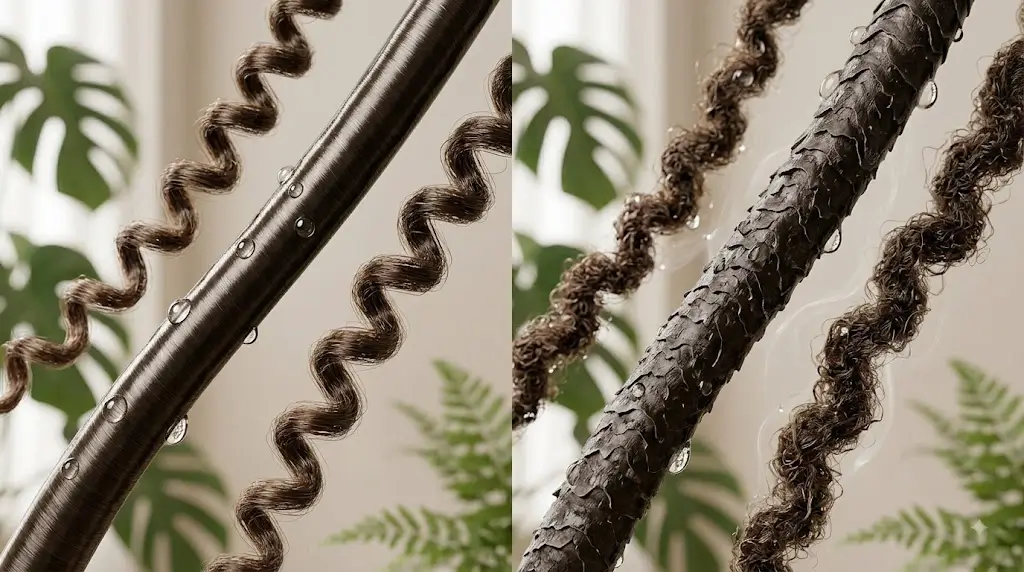
Low porosity hair possesses tightly overlapping, flat cuticle scales that block large molecules from entering the cortex. When you apply hydrolyzed proteins or fermented rice water, those protein chains pile up on the exterior of the hair shaft like a rigid shell, causing straw-like stiffness, tangling, and brittle snapping.
What is the wet strand stretch test for protein overload vs. moisture overload?
Gently pull both ends of a wet shed hair strand. Healthy balanced hair stretches 20% to 30% and bounces back. Moisture-overloaded hair stretches endlessly like chewing gum before breaking. Protein-overloaded hair barely stretches at all and snaps cleanly like dry uncooked spaghetti.
Can fermented rice water cause protein overload on low porosity hair?
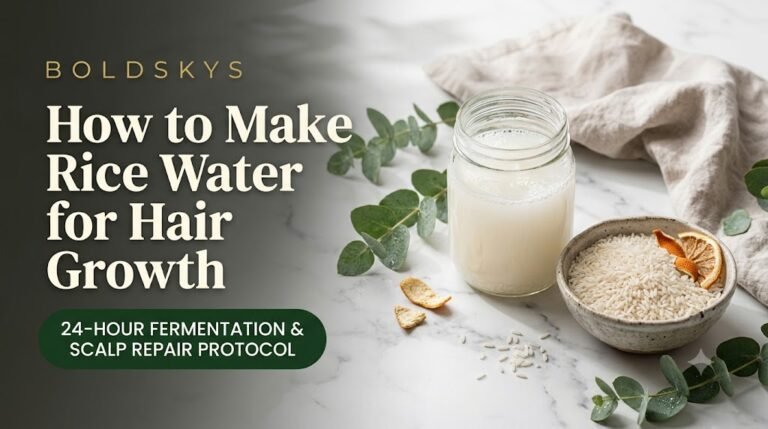
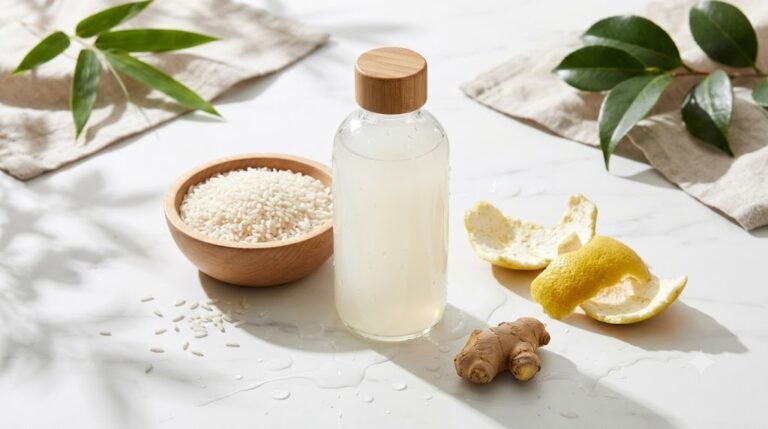
Yes. Fermented rice water contains high concentrations of inositol and large rice amino chains. Because low porosity cuticles are tightly closed, frequent rice water rinses rapidly coat the outside of the strand, inducing severe stiffness and breakage within 2 to 3 uses.
Why do I need heat or steam when deep conditioning low porosity hair?
Low porosity cuticles lie flat like sealed roof tiles. Without gentle moist heat (a hair steamer, thermal cap, or hot damp towel), moisturizing conditioners sit on top of the hair without penetrating into the dry cortex. Moist heat safely expands cuticle scales for deep hydration.
🎧 Quick Listen: 3-Minute Low Porosity Protein Reset Audio
Listen to why hydrolyzed proteins coat closed cuticles, how to pass the wet stretch test, and the 20-minute steam hydration rule.
If your low porosity hair suddenly feels stiff, crunchy, tangled, and brittle like dry straw—even right after applying an expensive deep conditioning mask—you are experiencing cuticular protein overload. While high porosity, bleached hair craves structural proteins to patch holes in damaged cuticles, low porosity hair reacts to frequent protein treatments, keratin masks, and fermented rice water rinses with acute rigidity and mid-shaft snapping.
Resolving protein overload in low porosity hair requires reversing cuticular blockage: stripping away external protein films with warm clarifying surfactants, pausing all hidden amino acids, and using moist thermal steam to drive pure humectant hydration into tightly sealed hair shafts.
Quick Summary: How to Fix Protein Overload in Low Porosity Hair
To reverse protein overload on low porosity hair immediately: Stop all products containing hydrolyzed proteins, keratin, rice water, or coconut oil for 3 weeks. Wash hair with a protein-free clarifying shampoo using warm water to dissolve exterior protein buildup. Apply a 100% protein-free humectant mask (with glycerin, panthenol, or aloe vera) and cover with a warm steamer or hot wet towel for 20 minutes to open flat cuticles. Rinse cool and seal ends with 3 drops of lightweight plant squalane.
The biggest trap for individuals with low porosity hair is misdiagnosing brittle, snapping ends as a sign of “weak hair that needs more keratin.” Applying another protein mask onto protein-overloaded low porosity hair compounds the electrostatic buildup, turning soft curls or waves into rigid, wire-like strands that tangle instantaneously.
True recovery demands understanding how cuticle geometry interacts with molecular weight, auditing ingredient labels for hidden proteins, and utilizing thermal steam to bypass tight cuticular barriers. This master guide breaks down the biophysics, features two interactive diagnostic tools, and delivers the 72-hour moisture reset protocol.
To understand why low porosity hair becomes stiff and brittle from protein treatments, one must examine the structural layout of its outer cuticle layer:
Imbricated Cuticle Geometry: Hair porosity describes how tightly or loosely the overlapping shingle-like cells of the outer cuticle are bound together. In low porosity hair, the cuticle scales lie completely flat, dense, and tightly sealed against the cortex, protected by an intact hydrophobic 18-MEA lipid layer.
Electrostatic Exterior Accumulation: Damaged, bleached hair carries a strong negative electrical charge that pulls positively charged hydrolyzed proteins into microscopic cortex holes. In contrast, healthy low porosity hair has minimal internal voids. As documented in trichological fiber studies indexed on PubMed, when large hydrolyzed wheat, soy, or keratin peptides cannot penetrate past closed cuticles, they bond electrostatically to the exterior surface of the hair shaft.
Hydrophobic Moisture Blockade: As layer upon layer of protein dries on the outside of the hair, it forms a rigid, non-flexible film that physically blocks water and moisturizing conditioners from entering the cortex. Deprived of internal water plasticization, the keratin fiber becomes hard, loses tensile elasticity, and snaps under gentle combing.
“Low porosity hair rarely suffers from protein deficiency—it suffers from protein traffic jams outside its tightly closed cuticles.”
2. Visualizing Elasticity: Rigid Protein Shell vs. Hydrated Bounce
Cuticular Flexibility & Slip: Drag Slider to Compare Strand Health
Slide left and right to inspect low porosity hair behavior before and after a clarifying protein purge and 20-minute steam hydration session:
Before: External Protein Overload
Stiff straw-like texture, zero wet stretch (snaps instantly), dull matte surface, and severe mid-shaft tangling.
After: Steam-Hydrated Elasticity
Supple 25% wet stretch with instant bounce-back, smooth gliding slip, luminous cuticle shine, and soft movement.
Perform the wet strand stretch test on a single shed hair strand and select your recent product history to generate your custom 72-hour recovery prescription:
Product Label Ingredient Auditor: Safe vs. Hidden Protein
Check the ingredients listed on the back of your shampoo, conditioner, or leave-in bottles right now to see which ones are safe during recovery and which ones secretly cause protein overload:
5. The 5-Stage Clarifying & 20-Minute Steam Hydration Protocol
Follow this exact 5-step clinical sequence on your next wash day to strip external protein buildup and restore supple elasticity to low porosity hair:
Before stepping into the shower, audit your shampoo, conditioner, leave-in milk, and curl gel. Set aside every bottle listing hydrolyzed proteins, amino acids, peptides, or coconut oil. For the next 21 days, every product touching your hair must be 100% protein-free.
Phase 2: Warm-Water Clarifying Protein Purge
Soak your hair thoroughly in warm water (not scalding hot) for 2 full minutes to begin softening the exterior protein crust. Apply a protein-free anionic clarifying shampoo (or chelating shampoo if you live in a hard-water area) and smooth the lather gently down your lengths using flat palms. Do not scrub tangled ends aggressively; let the surfactants dissolve the electrostatic protein film, then rinse cleanly for 3 minutes.
Phase 3: Protein-Free Humectant Deep Conditioning
Gently squeeze excess water from your hair and apply a generous amount of a 100% protein-free moisturizing deep conditioner rich in humectants like glycerin, propanediol, panthenol, or aloe vera juice. Detangle softly in small sections using your fingers or a wide-tooth comb.
Phase 4: The Mandatory 20-Minute Moist Steam Expansion
This step is non-negotiable for low porosity hair. Cover your conditioned hair with a plastic processing cap and sit under a hooded hair steamer, wear a heated thermal flaxseed cap, or wrap a hot, wrung-out damp towel around the plastic cap for 20 minutes. As confirmed in cosmetic fiber studies published in the International Journal of Trichology, gentle moist heat safely swells tight low-porosity cuticle scales open, allowing humectants and water molecules to flood deep into the dry cortex.
Phase 5: Cool Cuticle Lock & Squalane Lipid Seal
Remove the cap, allow hair to cool for 2 minutes, and rinse out the conditioner using cool water to contract the cuticles and trap internal hydration inside. Blot hair gently with a microfiber towel and smooth 3 to 4 drops of 100% sugarcane-derived squalane oil over damp mid-lengths and ends to impart instant slip without heavy buildup.
6. Porosity Myth vs. Fact: Coconut Oil, Rice Water & Cold Rinses
Tap each card below on your mobile screen to flip and reveal the trichological truth:
Lauric acid in coconut oil binds tightly to hair keratin, preventing natural protein shedding and blocking water entry—making low porosity hair even stiffer.
MYTH: Apply Deep Conditioners Cold
“Leaving a moisture mask on cold low porosity hair for 2 hours works best.”
(Tap to Reveal Truth)
FACT: Closed Cuticles Block Cold Masks
Without moist heat or steam, low porosity cuticles stay tightly shut, leaving cold masks sitting uselessly on the outside of the hair shaft.
MYTH: Rice Water Strengthens All Hair
“Weekly fermented rice water rinses make every hair type grow thicker.”
(Tap to Reveal Truth)
FACT: Causes Severe Buildup on Low Porosity
High porosity hair loves rice water, but low porosity hair lacks cortex voids, causing rice proteins to pile up externally and snap strands.
“Steam is the master key for low porosity hair. Without 20 minutes of gentle moist heat, hydrating masks cannot unlock tightly sealed cuticles.”
How do you fix protein overload in low porosity hair fast?
To fix protein overload in low porosity hair fast, wash with a protein-free clarifying shampoo in warm water to strip surface protein buildup, apply a 100% protein-free humectant deep conditioner (containing glycerin or aloe vera), and sit under a warm steamer or hot towel cap for 20 minutes to open tight cuticles. Rinse with cool water and seal with lightweight squalane oil.
Why is low porosity hair so prone to protein overload?
Low porosity hair has tightly overlapping, flat cuticle scales that resist absorbing large molecules. When you apply hydrolyzed proteins or rice water, those protein molecules cannot enter the cortex; instead, they pile up on the outside of the hair shaft like a rigid shell, causing stiffness, tangling, and brittle snapping.
What does protein overload feel and look like on low porosity hair?
Protein-overloaded low porosity hair feels dry, stiff, crunchy, and straw-like even immediately after conditioning. When wet, a single strand refuses to stretch and snaps cleanly like dry uncooked spaghetti, accompanied by dullness, excessive tangling at the ends, and increased shedding.
How long does it take to recover from protein overload in low porosity hair?
Immediate softness and slip return after your first clarifying wash and 20-minute heated humectant deep conditioning session. Full internal elasticity and moisture balance typically stabilize within 2 to 3 weeks of strictly using protein-free products.
Does coconut oil cause protein overload in low porosity hair?
While coconut oil does not contain protein itself, its high lauric acid content binds tightly to hair keratin and blocks internal protein loss. On low porosity hair already suffering from protein buildup, coconut oil acts as an impenetrable hydrophobic barrier that locks moisture out and makes hair feel even stiffer and more brittle.
Can rice water cause protein overload on low porosity hair?
Yes. Fermented rice water is loaded with inositol and large rice protein amino chains. Because low porosity cuticles are tightly closed, frequent rice water rinses rapidly coat the exterior hair shaft, triggering severe protein stiffness and breakage within just 2 to 3 uses.
Which ingredients should I avoid on product labels during protein overload?
Avoid any ingredient containing the words ‘hydrolyzed’ (hydrolyzed wheat, soy, silk, keratin, oat, or collagen protein), ‘amino acids,’ ‘peptides,’ ‘keratin,’ and ‘quaternium-80’ until your hair’s natural elasticity is completely restored.
Why do I need heat or steam when deep conditioning low porosity hair?
Low porosity cuticles lie flat like sealed roof shingles. Without gentle moist heat (such as a hair steamer, thermal heat cap, or hot wet towel), moisturizing conditioners sit on top of the hair without penetrating into the dry cortex. Heat safely swells the cuticle scales open for deep hydration.
What is the wet strand stretch test for protein overload vs. moisture overload?
Take a shed wet hair strand and gently pull both ends. Healthy balanced hair stretches 20% to 30% and bounces back. Moisture-overloaded hair stretches endlessly like rubber gum before snapping. Protein-overloaded hair barely stretches at all and snaps instantly with a sharp break.
Once fixed, how often should low porosity hair use protein?
Low porosity hair naturally retains its internal structural proteins very well and rarely needs heavy protein treatments. Once recovered, limit light, low-molecular amino acid treatments to once every 4 to 6 weeks, focusing 90% of your routine on lightweight humectant moisture.
Editorial & Trichology Disclaimer: The hair porosity protocols and ingredient compatibility tools published on Boldskys are for educational, cosmetic, and informational purposes only. This content is backed by peer-reviewed cosmetic fiber literature but does not constitute personal medical diagnosis. Always exercise caution when using thermal steamers or hot towels to prevent scalp burns, and consult a licensed trichologist or dermatologist for persistent hair shedding.
×
Before Your Next Wash Day!
Save your 72-Hour Low Porosity Steam Hydration & Protein-Free Reset Cheat Sheet directly to your phone so your hair regains soft, bouncy slip.