How to Use Fresh Aloe Vera Gel for Face: The Complete Step-by-Step DIY Masterclass
Core Dermatology Highlights
- Aloin Elimination Protocol: The non-negotiable draining process required to remove irritating latex and prevent contact dermatitis.
- Cellular Hydration: Delivers acemannan polysaccharides directly into the stratum corneum to accelerate fibroblast renewal and tissue repair.
- Targeted Protocols: Step-by-step master recipes for cystic acne inflammation, hyperpigmentation, barrier repair, and mature skin.
- Preservation Mastery: Chemical-free refrigeration and natural stabilization techniques up to 6 months.
1. Introduction: The Miraculous Chemistry of Pure Aloe Barbadensis
In an era characterized by complex 10-step skincare regimens and laboratory-synthesized serums commanding premium prices across North America and Europe, an increasing number of dermatologists and holistic aestheticians are returning to the undisputed queen of therapeutic botanicals: Aloe Barbadensis Miller. Revered across ancient Mediterranean, Egyptian, and Ayurvedic healing traditions as the plant of immortality, pure fresh aloe vera inner leaf gel remains the gold standard for calming reactive cutaneous inflammation, fading stubborn post-inflammatory erythema (PIE), and replenishing deep trans-epidermal moisture.
However, despite its ubiquity on store shelves, the vast majority of commercial aloe formulations purchased in commercial pharmacies are fundamentally compromised. Stabilized with aggressive synthetic polymers, artificial green dyes, drying fragrance compounds, and chemical biocides, many commercial gels contain less than 5% biologically active raw plant sap. Harvesting and processing the pure inner parenchyma tissue from a fresh botanical leaf at home remains the only way to deliver intact, un-denatured enzymes and cellular messengers directly to the skin.
This comprehensive guide delivers an exhaustively researched, laboratory-vetted protocol for harvesting, stabilizing, and applying raw aloe vera gel to the face. From mastering the essential aloin draining window to formulating customized corrective masks for cystic blemishes and hyperpigmentation, this clinical masterclass establishes the definitive blueprint for natural skin transformation.
2. The Dermatology & Science: Why Fresh Aloe Transforms Dermal Architecture
Pure aloe vera inner leaf gel is structurally unique because it is composed of 99.5% pure water suspended within an intricate biological lattice of over 75 distinct bioactive constituents. When applied topically to facial skin, it interacts with cellular receptors along the epidermal-dermal junction:
A. Acemannan: The Master Polysaccharide for Tissue Regeneration
The primary therapeutic engine within aloe inner parenchyma is acemannan (a complex beta-1,4-linked acetylated polymannose). Acemannan functions as a potent biological response modifier. When absorbed into the epidermal layers, it binds to specific macrophage and fibroblast cell-surface receptors. This cellular communication accelerates fibroblast proliferation, which in turn upregulates the synthesis of endogenous collagen fibers and extracellular glycosaminoglycans, rapidly repairing micro-tears in damaged skin barriers.
B. Auxins and Gibberellins: Natural Wound Healing Phytohormones
Aloe gel contains two plant hormones: auxins and gibberellins. These bioactive molecules possess formidable anti-inflammatory and cellular regenerative properties. Gibberellin acts as an epidermal growth stimulus, accelerating tissue renewal while downregulating the pro-inflammatory vascular cascades that cause visible facial redness, rosacea flare-ups, and angry inflammatory acne lesions.
C. Natural Salicylic Acid and Lignins
Unlike laboratory-synthesized acne washes that strip the lipid barrier, fresh aloe contains trace amounts of naturally occurring salicylic acid alongside magnesium lactate. This combination gently dissolves cohesive desmosomes binding dead corneocyte cells together inside congested pore linings, clearing stubborn sebum plugs without causing dryness. Furthermore, the presence of structural lignins allows the gel to penetrate deep into cutaneous tissue, carrying other water-soluble vitamins deep into the dermis.
D. Zinc, Copper, and Superoxide Dismutase (SOD)
Free radical exposure from ambient ultraviolet radiation and urban pollutants triggers lipid peroxidation within facial skin cells. Fresh aloe inner gel contains endogenous enzymatic antioxidants, notably superoxide dismutase (SOD), catalase, and glutathione peroxidase, alongside elemental zinc and copper. These micronutrients neutralize free radicals, suppress melanocyte hyperactivity responsible for dark spots, and prevent photo-aging.
3. The Comprehensive Bioactive Nutrient Profile of Pure Aloe Vera
The therapeutic breadth of raw aloe parenchyma tissue is demonstrated in its extensive biochemical inventory per 100 grams of fresh inner fillet:
| Bioactive Class | Key Components | Direct Dermatological Action |
|---|---|---|
| Polysaccharides | Acemannan, Glucomannans | Triggers collagen synthesis; repairs compromised stratum corneum barrier. |
| Phyto-Enzymes | Bradykinase, Amylase, Lipase | Bradykinase significantly suppresses inflammatory erythema and swelling. |
| Antioxidant Vitamins | Vitamin A (Beta-Carotene), C, E, B12 | Neutralizes oxidative damage; brightens dull tone and prevents cellular aging. |
| Organic Hydroxy Acids | Natural Salicylic Acid | Provides mild keratolytic pore decongestion and antibacterial cleansing. |
| Trace Minerals | Zinc, Calcium, Magnesium, Selenium | Accelerates epidermal healing, balances sebum, and maintains enzyme integrity. |
| Plant Sterols | Campesterol, Beta-Sitosterol, Lupeol | Acts as natural antiseptic, analgesic, and soothing topical barrier protectors. |
4. The Critical Safety Protocol: Removing Toxic Aloin (Yellow Sap)
Mandatory Safety Warning: Aloin Latex Extraction
Many individuals report severe burning, stinging, or itchy red contact dermatitis after applying raw aloe vera to their faces. In over 95% of these cases, the adverse reaction is not caused by the gel itself, but by improper removal of Aloin.
Directly beneath the hard green outer rind sits a layer of pericyclic vascular tubules that produce a bitter, pungent yellow-brown fluid known as aloin (aloe latex). Aloin contains potent anthraquinone glycosides designed by nature to protect the plant from grazing wildlife. On human facial skin, aloin acts as an aggressive primary irritant. You must completely discharge this toxic sap before harvesting the gel.
The Step-by-Step Harvesting & Aloin Draining Method
- Select Mature Leaves: Choose thick, plump, vibrant green leaves from the outer base of an Aloe Barbadensis Miller plant that is at least 2 to 3 years old. Mature leaves possess the highest concentration of therapeutic polysaccharides.
- The Clean Cut: Using a sanitized, sharp kitchen knife, sever the leaf cleanly at its base, close to the main stem.
- The 15-Minute Vertical Drainage: Place the harvested leaf upright in a tall glass jar or clean drinking cup, cut end down. Let the leaf stand undisturbed for 15 to 20 minutes. A thick, dark yellowish-orange sap will bleed out from the cut base into the bottom of the container.
- Rinse and Trim: Discard the drained yellow fluid thoroughly. Rinse the leaf under cold running tap water for 60 seconds. Slice off the bottom 1 inch of the severed base where aloin deposits might still cling.
5. Step-by-Step Extraction: How to Harvest Pure Inner Gel
Once your aloe leaf has been completely drained of aloin latex and sanitized, follow this clinical filleting procedure to yield pristine, clear inner parenchyma:
- Serrated Edge Removal: Lay the leaf flat on a clean cutting board. Using a chef’s knife, slice away the spiky serrated margins running down both sides of the leaf, cutting as close to the thorns as possible to conserve gel.
- Cross-Sectional Slicing: Cut the long leaf horizontally into manageable 3- to 4-inch blocks.
- Top Rind De-skinning: Carefully glide your knife horizontally just beneath the top flat green skin to peel it away, exposing the glistening, translucent inner fillet.
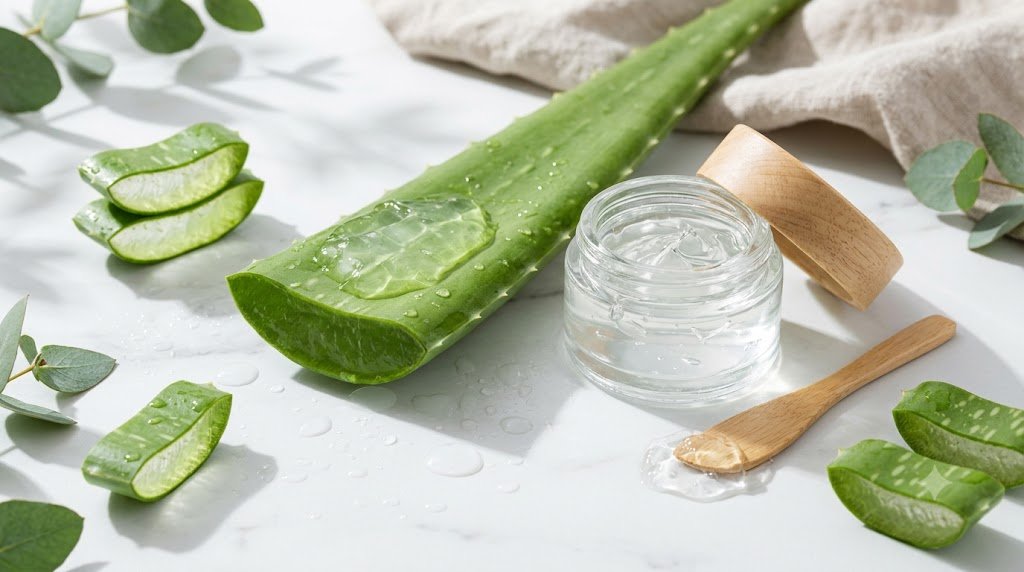
- Scoop the Inner Parenchyma: Using a clean stainless steel culinary spoon, scrape the crystal-clear gel fillet away from the bottom rind into a sterilized glass bowl. Avoid digging too close to the green skin to prevent green rind flecks from contaminating your batch.
- Liquid Gel Liquefaction: In its raw state, the gel is a solid gelatinous mass. Transfer the scooped fillets into a high-speed blender and pulse for 15 to 20 seconds. The gel will transform into a white frothy liquid. Within 10 minutes, the foam will settle into a completely clear, easily spreadable liquid gel.
6. Clinical Facial Recipes: 4 Targeted Skincare Formulations
Fresh aloe gel functions as an extraordinary biological carrier. By compounding it with proven natural actives, you can create targeted, clinical-grade facial treatments tailored to specific skin concerns:
Recipe 1: The Blemish-Busting Clarifying Mask (Acne & Pores)
- Ingredients: 2 tablespoons freshly blended aloe vera gel, 1 drop pure organic Tea Tree essential oil, 1/4 teaspoon raw organic Manuka honey.
- Mechanism: Terpinen-4-ol from tea tree eliminates Cutibacterium acnes, manuka honey introduces osmotic wound healing, and aloe calms redness without stripping lipids.
- Application: Apply an even layer to cleansed skin using a cosmetic brush. Leave on for 15 minutes. Rinse with lukewarm water and pat dry. Use 2 to 3 times weekly.
Recipe 2: The Hyperpigmentation & Dark Spot Fading Elixir
- Ingredients: 2 tablespoons fresh aloe gel, 1/4 teaspoon organic turmeric root powder, 1/2 teaspoon pure cold-pressed Rosehip Seed Oil.
- Mechanism: Curcumin targets tyrosinase enzymes to inhibit melanin synthesis, while trans-retinoic acid from rosehip oil accelerates epidermal cell turnover alongside aloe acemannan.
- Application: Massage gently over areas of dark spots, acne scarring, or sun damage. Leave on for 20 minutes before gently rinsing with cool water. Use 3 nights per week.
Recipe 3: The Deep Barrier Recovery & Glass Skin Treatment
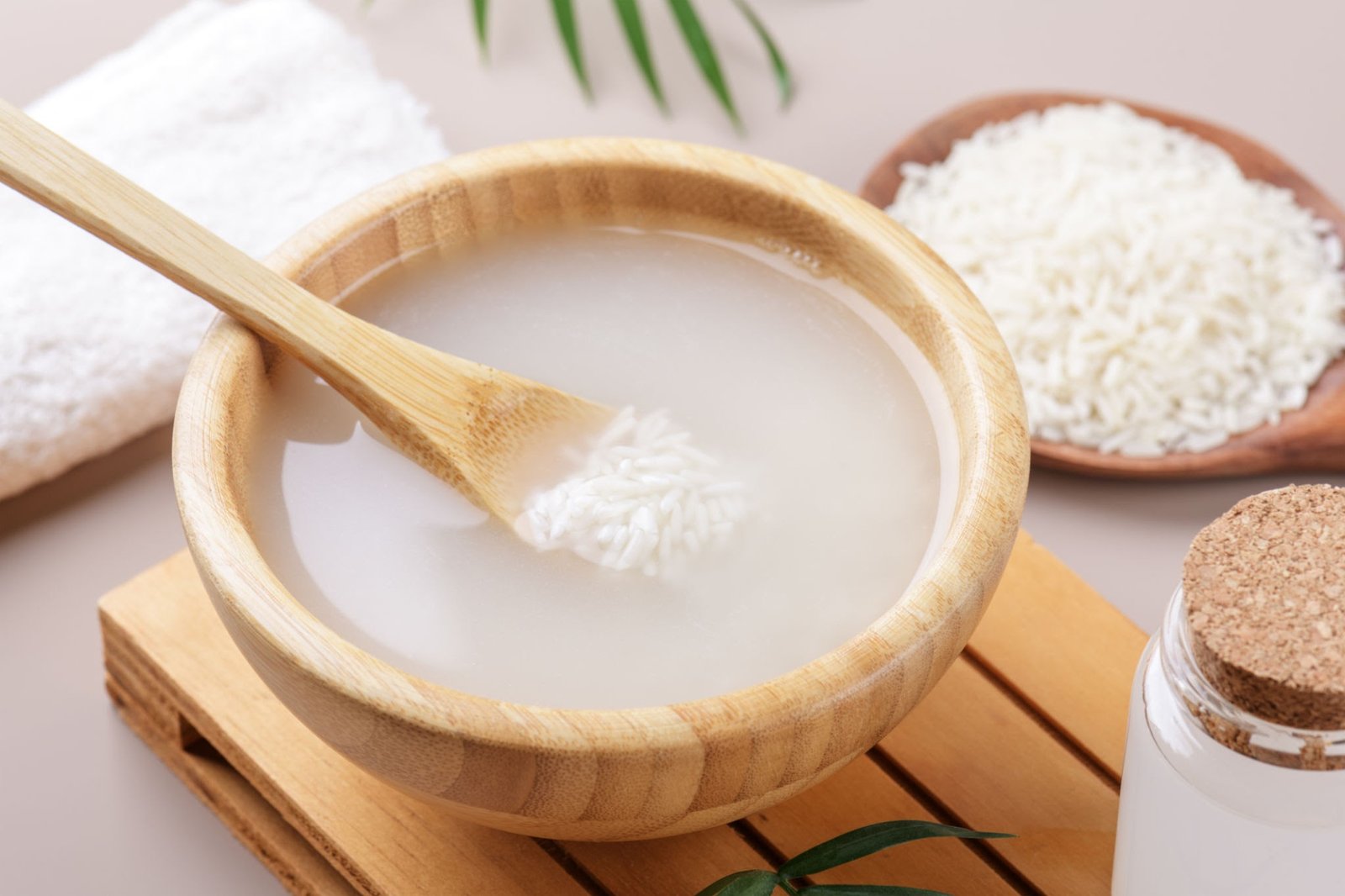
- Ingredients: 2 tablespoons fresh aloe vera gel, 1 teaspoon fermented rice water (or pure organic vegetable glycerin).
- Mechanism: Floods the stratum corneum with humectant polysaccharides and inositol, instantly restoring the lipid moisture barrier and imparting a dewy glass-skin glow.
- Application: Smooth a thin layer over damp skin. Allow it to absorb for 5 minutes, then seal with a light non-comedogenic squalane or jojoba oil. Excellent for daily morning use.
Recipe 4: The Soothing Sunburn & Post-Peel Calming Compresses
- Ingredients: 3 tablespoons chilled fresh aloe gel, 1 tablespoon pure cucumber juice.
- Mechanism: Delivers instantaneous cooling relief, inhibits heat-induced prostaglandin release, and stops epidermal peeling after UV overexposure or chemical peels.
- Application: Soak clean cotton facial pads in the chilled mixture and drape them over irritated skin for 15 minutes.
7. How to Correctly Layer Aloe Gel in Your Daily Skincare Routine
A common error across social media is treating aloe vera gel as an all-in-one moisturizer. Aloe is a pure humectant (water-binding agent); it contains virtually zero occlusive lipids. In dry climates or air-conditioned environments, applying aloe alone will draw moisture out of the deeper skin layers, leading to uncomfortable tightness and dehydration.
To achieve maximum dermatological benefits, always adhere to the scientific order of skincare layering:
- Step 1: Cleanse: Wash face with a gentle, non-stripping cleanser.
- Step 2: Balance: Mist with a balancing botanical toner (e.g., green tea toner or rose water).
- Step 3: Hydrate (Fresh Aloe Gel): Smooth a nickel-sized amount of fresh aloe gel over slightly damp skin. Pat gently with fingertips until fully absorbed.
- Step 4: Nourish: Apply your favorite targeted water-based serums (such as Vitamin C or Niacinamide).
- Step 5: Lock & Occlude (Crucial): Immediately apply a rich moisturizer or 2-3 drops of botanical facial oil (Jojoba, Argan, or Squalane). This oil layer locks the aloe humectant polysaccharides deep within the epidermis, preventing trans-epidermal water loss (TEWL).
- Step 6: Protect (AM only): Apply a broad-spectrum mineral SPF 30+ sunscreen.
8. Critical Storage, Shelf-Life & Preservation Science
Because raw inner aloe gel is rich in water and organic polysaccharides without chemical biocides, it serves as an ideal growth medium for ambient bacteria, mold, and yeast if improperly stored.
Shelf-Life Matrix for Homemade Aloe Vera
- Room Temperature: 4 to 6 hours maximum. Active enzymes denature and bacterial proliferation begins rapidly.
- Standard Refrigerator (4°C / 39°F): 7 to 10 days in a sanitized, airtight dark amber glass jar.
- Ice Cube Freezing Method: Up to 6 months. Pour the blended liquid gel into sterile silicone ice cube trays and freeze. Pop out one cube whenever needed for a soothing facial massage.
Natural Laboratory Stabilization (Up to 2 Months in Refrigerator)
If you wish to keep your liquid aloe gel refrigerated for up to 2 months without freezing, add these food-grade natural antioxidants and acidifiers immediately during the blending phase:
- For every 1/2 cup (120 ml) of fresh blended gel, add:
- 500 mg Vitamin C (L-Ascorbic Acid) powder: Acts as a primary antioxidant and lowers the pH to an acidic ~3.5 to 4.0, creating an inhospitable environment for bacterial proliferation.
- 400 IU Vitamin E (d-alpha-tocopherol): Provides fat-soluble antioxidant protection, preventing rapid enzymatic browning.
9. Contraindications, Allergy Warnings & The Patch Test Protocol
While topical aloe gel is clinically recognized as non-comedogenic and hypoallergenic, individual plant sensitivities can occur:
- Liliaceae Family Cross-Reactivity: If you are allergic to plants in the Liliaceae family—including garlic, onions, chives, tulips, or hyacinths—you may experience allergic contact dermatitis when exposed to raw aloe vera.
- Open or Severe Punctures: Never apply raw botanical preparations directly onto bleeding open incisions, deep puncture wounds, or severe 3rd-degree burns without clinical medical supervision.
- The Mandatory 24-Hour Cutaneous Patch Test: Dab a quarter-sized amount of raw drained aloe gel onto the clean skin of your inner forearm. Leave unwashed for 24 hours. If any itching, persistent burning, red bumps, or urticaria develop, rinse immediately and discontinue use.
10. Frequently Asked Questions (FAQ)
Can I leave fresh aloe vera gel on my face overnight?
Yes. Leaving freshly drained aloe gel on your face overnight is completely safe and deeply hydrating, provided you have removed the irritating yellow aloin sap and sealed the gel with a light non-comedogenic facial oil or night cream.
Why did my fresh aloe vera gel turn pink or light brown?
Raw aloe gel contains natural polyphenols and enzymes that oxidize upon prolonged exposure to ambient oxygen and light—identical to a sliced apple turning brown. A subtle pink blush is harmless, but if the gel turns dark brown or emits a sour, foul odor, it has expired and must be discarded.
Does pure aloe vera clear cystic acne?
Aloe possesses natural antibacterial agents and anti-inflammatory gibberellins that visibly calm redness and swelling in cystic blemishes. While it accelerates healing, severe hormonal cystic acne typically requires a comprehensive internal and dermatological approach alongside topical care.
Can I use the common ornamental aloe plants in my backyard?
No. There are over 500 species of aloe, but only Aloe Barbadensis Miller possesses the therapeutic biochemical profile approved for dermatological use. Several wild aloe varieties are toxic or contain excessively high latex levels that cause severe dermatitis.
11. Final Thoughts: Restoring Your Skin Barrier Naturally
Achieving radiant, balanced, and resilient skin does not necessitate sacrificing your savings to commercial marketing campaigns. By honoring the botanical elegance of raw Aloe Barbadensis Miller and mastering the simple science of aloin extraction and stabilization, you grant your facial skin direct access to nature’s most sophisticated healing matrix.
Harvest your first mature leaf with confidence, execute your patch test, and experience the transformative difference of 100% pure, bioactive skincare on your journey toward true dermatological radiance.