Rice Water for Face: Dermatologist-Backed Recipe, Science, and Real Results
Editorial Synopsis: While social media promises overnight skin whitening, the legitimate clinical benefits of rice water for face lie in epidermal hydration, barrier strengthening through starch polysaccharides, and gentle antioxidant photoprotection from inositol and ferulic acid.
The pursuit of translucent, luminous “Korean glass skin” has propelled ancient East Asian botanical rinses to the forefront of modern American and European cosmetic routines. Standing at the epicenter of this natural minimalist movement is rice water for face. Long before commercial cosmetic houses patented synthetic brighteners, Japanese court women in the Heian period and female rice farmers in East Asia relied on rice washing liquid to preserve smooth, blemish-free skin.
However, modern dermatology distinguishes between viral hyperbole and real biochemical efficacy. Does homemade rice water actually stimulate collagen and erase pigmentation, or does it simply hydrate the superficial stratum corneum? In this comprehensive, fact-checked master guide, we review the peer-reviewed biochemical mechanism of rice water, formulate three clinical DIY preparations, outline daily application protocols, and troubleshoot safety limits.
The Biochemical Truth: What Does Science Say About Rice Water?
The cloudy appearance of rice water is primarily composed of dissolved amylose, amylopectin starches, amino acids, and bioactive polyphenols. When subjected to topical absorption, several specific molecules provide measurable skin-barrier benefits:
1. Ferulic Acid & Gamma-Oryzanol (Antioxidant Photoprotection)
Rice bran contains substantial concentrations of ferulic acid and gamma-oryzanol. Research published on the National Library of Medicine (PubMed) confirms that ferulic acid neutralizes reactive oxygen species (ROS) and substantially enhances the photoprotective capabilities of vitamins C and E against UV-induced premature aging.
2. Tyrosinase Inhibition (Gradual Tone Evening)
Hyperpigmentation, sunspots, and post-acne erythema occur when an internal enzyme called tyrosinase triggers excess melanin synthesis. Fermented rice extract releases natural bioactive metabolites, including gamma-aminobutyric acid (GABA) and trace phytic acid, which exhibit mild tyrosinase-inhibiting properties. Unlike harsh hydroquinone or bleaching agents, it gently moderates melanin synthesis without cytotoxicity.
3. Barrier Repair and Transepidermal Water Loss (TEWL)
In clinical dermatology trials, patients suffering from barrier disruption due to sodium lauryl sulfate (SLS) baths showed a marked 20% improvement in healing capacity when treated with starch-rich rice extracts. The natural polysaccharides create a protective, breathable microscopic film across damaged skin cells, significantly reducing evaporation.
| Compound | Primary Cutaneous Benefit | Clinical Function |
|---|---|---|
| Inositol | Cellular Micro-circulation | Supports epidermal turnover and elasticity. |
| Ferulic Acid | Free-Radical Defense | Slows collagen breakdown caused by oxidative stress. |
| Lactic Acid (Fermented) | Gentle Exfoliation (AHA) | Restores optimal acidic pH (4.5 – 5.5) and refines pores. |
| Starch Polysaccharides | Barrier Occlusion | Calms pruritus (itching) and locks surface moisture. |
3 Vetted Recipes: How to Make Rice Water for Face at Home
To prevent biological contamination or micro-tears from dirt particulates, preparation must follow sterile botanical standards. Use organic short-grain white rice, jasmine rice, or brown rice.
Recipe 1: The Fermented Rice Water Toner (Best for Anti-Aging & Radiance)
Fermentation lowers the formulation’s pH to match your acid mantle and concentrates organic acids.
- Rinse Clean: Take 1/2 cup of uncooked organic rice. Rinse thoroughly with filtered water twice to remove dirt and strain.
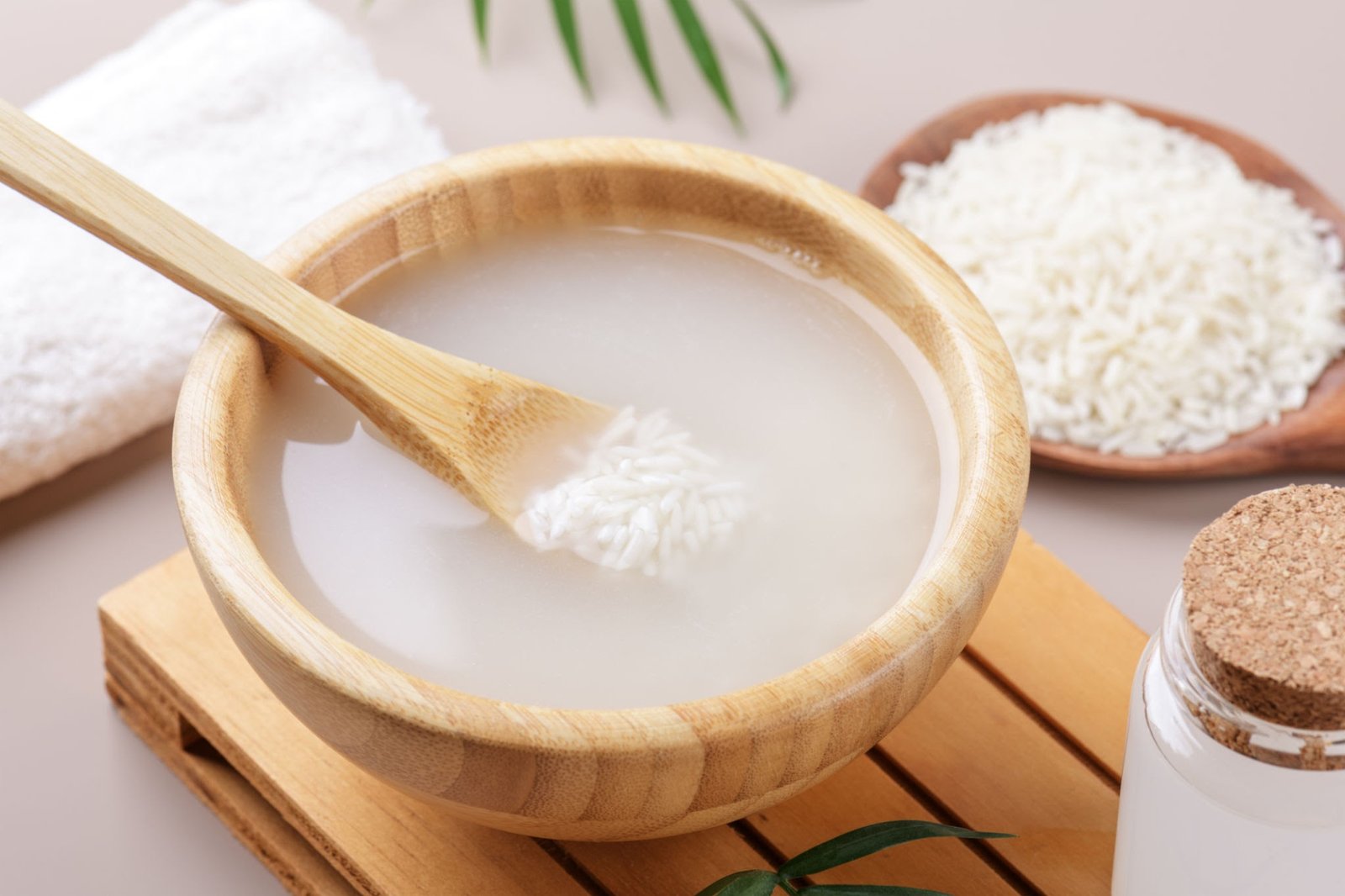
- Macerate: Place the cleaned rice in a clean glass bowl with 2 cups of pure distilled water. Knead the grains between your fingers for 2 to 3 minutes until the water turns opaque and milky.
- The Fermentation Window: Strain the milky liquid into a clean glass mason jar. Seal loosely and leave it at room temperature (away from direct sunlight) for 18 to 24 hours. When a faintly sour, sweet aroma develops, fermentation is complete.
- Refrigeration: Transfer the jar into the refrigerator immediately to stop microbial activity. Dilute 1:1 with pure distilled water before facial application.
Recipe 2: The Cold-Soaked Gentle Toner (Best for Sensitive & Reactive Skin)
Ideal for reactive skin types that cannot tolerate probiotic fermentation or acidic AHAs.
- Rinse 1/2 cup of rice clean.
- Soak in 2 cups of distilled water for 30 to 45 minutes without fermenting.
- Strain the liquid directly into a sterile amber glass spray bottle and refrigerate immediately. Use within 4 days.
Recipe 3: The Boiled Starch Broth (Best for Eczema & Dry Barrier Relief)
Boiling breaks open starch cells, creating a dense soothing lotion perfect for barrier rehabilitation.
- Boil 1/2 cup of rinsed rice in 3 cups of water until fully cooked and the excess water becomes rich, thick, and creamy.
- Strain the liquid concentrate off the rice into a sterile glass container.
- Allow it to cool to room temperature. Apply as a soothing wash-off compress onto irritated skin for 15 minutes before rinsing.
Synergistic Botanical Care: Hair & Skin Balance
Holistic beauty relies on balancing cellular circulation and moisture retention. While rice water fortifies your facial moisture barrier, follicular thinning and scalp tension require specialized vascular stimulation. Dive into our complete guide on how to make rosemary water for hair growth to discover how carnosic acid revives dormant hair bulbs.
For a comprehensive baseline reset, be sure to review our evidence-based strategies for maintaining holistic skin barrier protection and natural scalp health.
Dermatological Protocol: How to Use Rice Water for Face
To extract maximum cosmetic benefit without overloading your skin barrier, execute this twice-daily routine:
Step 1: Low-pH Cleansing
Cleanse facial skin with a gentle, sulfate-free cleanser to wash away oil and airborne grime.
Step 2: Chilled Rice Water Press
Pour chilled rice water onto a cotton pad or into clean palms. Press—do not aggressively rub—across your cheeks, jawline, and forehead until absorbed.
Step 3: Occlusive Sealing
Follow immediately while skin remains damp with a ceramide-rich moisturizer or hyaluronic acid serum to lock in moisture.
Essential Safety Guidelines & Shelf Life
- Mandatory Refrigeration: Homemade rice water has zero industrial preservatives. It must be kept in the refrigerator and discarded after 5 to 7 days without exception.
- Do Not Use if Spoiled: If the liquid turns pungent, gray, or molds, discard it immediately. Microbial contamination can cause severe bacterial folliculitis.
- Execute a 24-Hour Patch Test: Always test a few drops on your inner forearm or beneath your jawline prior to full-face application to screen for individual starch or grain allergies.
Frequently Asked Questions (FAQ)
Can I leave rice water on my face overnight?
Yes. When diluted properly, rice water acts as a non-comedogenic leave-on hydrator. Applying it prior to your evening moisturizer allows starch molecules and amino acids to hydrate your stratum corneum throughout sleep.
Does rice water lighten skin or remove dark spots permanently?
No natural remedy permanently bleaches your natural genetic skin tone. Rice water brightens the complexion by inhibiting tyrosinase and clearing superficial dead cell build-up, resulting in a healthier, luminous, and more even skin tone over 3 to 6 weeks.
Will rice water clog my pores or cause acne?
Pure, fresh rice water is oil-free and non-comedogenic. However, using batches left at room temperature past 24 hours can introduce bacterial overgrowth that clogs pores. Always maintain clean preparation utensils and refrigerate immediately.
Which rice is best for making rice water for face?
Organic white or jasmine rice is ideal because it releases dense starch without the excess fibrous hull residue found in wild varieties. Ensure you choose organic grains to avoid synthetic pesticide washes.