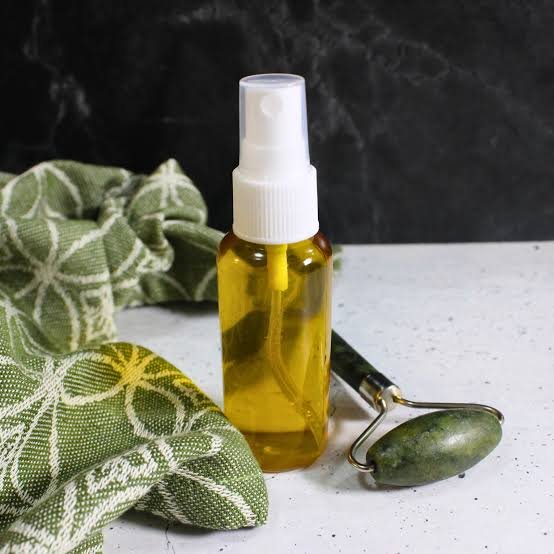
How to Make Green Tea Toner for Face: Dermatologist Science and DIY Recipe
Editorial Synopsis: Synthetic astringents with denatured alcohol disrupt the acid mantle. Homemade green tea toner for face delivers therapeutic concentrations of epigallocatechin gallate (EGCG) to suppress inflammatory acne, regulate sebum secretion, and tighten stretched pores naturally.
Commercial facial toners frequently leave individuals trapped in a vicious dermatological cycle. Mainstream cosmetic formulations targeting oily or acne-prone skin rely heavily on isopropyl alcohol, synthetic salicylic suspensions, and synthetic fragrances. While they strip immediate facial grease, they severely compromise the stratum corneum lipid matrix, causing rebound sebaceous hyper-secretion and chronic micro-inflammation.
In response to this barrier disruption, clinical estheticians and dermatology researchers throughout the United States and the United Kingdom have pivoted toward botanical polyphenol tonics. Among evidence-based kitchen remedies, green tea toner for face stands out as a world-class anti-inflammatory, antimicrobial, and pore-refining infusion. Derived from unfermented leaves of Camellia sinensis, green tea provides profound cellular protection against oxidative stressors and lipid breakdown.
In this master formulation guide, we examine the molecular science of green tea catechins, formulate three targeted DIY toner recipes, explain correct pH calibration, and reveal essential botanical preservation protocols.
The Molecular Science: How Green Tea Resets Problematic Skin
Green tea leaves undergo minimal oxidation compared to oolong or black tea varieties, preserving pristine concentrations of bioactive catechins, hydrolyzable tannins, and L-theanine:
1. Epigallocatechin Gallate (EGCG) and Sebum Suppression
The primary therapeutic powerhouse within green tea is EGCG. Clinical trials published on the National Library of Medicine (PubMed) demonstrate that topical EGCG targets intracellular pathways in human sebocytes, reducing sebaceous lipogenesis by up to 50% and visibly shrinking acne lesion counts.
2. Tannins and Natural Pore Constriction
Green tea contains biological tannins—astringent plant polyphenols that gently cross-link superficial keratin proteins on the skin surface. Unlike synthetic chemical alcohols that dehydrate living cells, tannins gently tighten enlarged pore borders without stripping essential moisture.
3. Scavenging Free Radicals & UV Photoprotection
Cellular senescence is accelerated by reactive oxygen species (ROS) triggered by city pollution and solar radiation. Green tea polyphenols actively intercept free radicals before they degrade underlying collagen fibers, maintaining dermal elasticity and calming facial erythema (redness).
| Phytochemical Compound | Cellular Mechanism | Clinical Skin Outcome |
|---|---|---|
| EGCG Catechins | Inhibits 5-alpha reductase & NF-kB pathways | Calms active cystic acne and cuts midday oiliness. |
| Vegetable Tannins | Protective protein cross-linking | Refines pore diameter and smooths rough texture. |
| Caffeine Trace | Peripheral micro-vasoconstriction | Diminishes morning under-eye and cheek puffiness. |
| L-Theanine | Neuro-protective amino acid action | Soothes skin reactivity and stinging sensations. |
3 Vetted Formulations: How to Make Green Tea Toner for Face
Extracting delicate catechins without scalding them requires accurate water temperature control. Never pour rolling boiling water directly over green tea, as excessive thermal stress degrades EGCG into inactive tannins.
Recipe 1: The Clarifying Acne & Pore Toner (Best for Oily & Congested Skin)
Blends pure catechin tea with antimicrobial tea tree and raw apple cider vinegar to balance pH:
- Ingredients: 1 bag (or 1 tbsp loose) organic green tea, 1 cup distilled water, 1 teaspoon raw organic apple cider vinegar (with “the mother”), 2 drops 100% pure tea tree essential oil.
- Step 1: Heat distilled water to roughly 175°F (80°C)—just before a boiling roll. Steep green tea covered for 10 minutes, then let cool completely.
- Step 2: Strain into a sterile amber glass spray bottle. Stir in the apple cider vinegar and tea tree oil. Shake vigorously before each application.
Recipe 2: The Calming Hydration Mist (Best for Sensitive & Rosacea Skin)
Combines pure green tea catechins with soothing organic aloe vera:
- Ingredients: 1 cup brewed and chilled green tea, 2 tablespoons pure organic aloe vera liquid (preservative-free), 1 teaspoon vegetable glycerin (humectant).
- Execution: Whisk ingredients together in a clean glass beaker. Transfer into a fine-mist spray bottle and refrigerate. Spritz to quench reactive, flushed skin.
Recipe 3: The Vitamin C Brightening Infusion (Best for Sunspots & Dullness)
Infuses freshly steeped green tea with concentrated antioxidant lemon peel hydrosol:
- Ingredients: 1 cup chilled green tea, 1 tablespoon pure rosewater, 1/2 teaspoon non-GMO L-ascorbic acid powder.
- Execution: Dissolve L-ascorbic acid into the chilled tea solution until fully dissolved. Apply strictly at night to speed hyperpigmentation clearance.
Synergistic Botanical Care: Complete Routine
Skin clarifying and sebum regulation are most effective when supported by holistic barrier care. If your complexion craves deep hydration alongside pore clearance, explore our popular master recipe on how to make rice water for face for glowing glass skin.
Similarly, botanical self-care extends beyond your complexion. Pair your daily routine with our restorative guides on how to make rosemary water for hair growth and our nutrient-rich tutorial on how to make flaxseed gel for hair.
How to Incorporate Green Tea Toner Into Your Daily Regimen
To maximize catechin absorption without diluting subsequent skincare steps, execute this dermatological protocol:
Morning: Antioxidant Shield
After cleansing, sweep chilled green tea toner across your forehead, T-zone, and jawline using an organic cotton pad. Follow immediately with your daily Vitamin C serum, moisturizer, and broad-spectrum mineral SPF 30+.
Midday: Oil Control Refresh
Spritz a fine mist of chilled green tea over your face around 2 PM. It instantly suppresses afternoon greasy shine and recharges your skin’s free-radical defense without disturbing makeup.
Evening: Anti-Inflammatory Compress
If experiencing a cystic breakout or rosacea flare-up, soak two cotton rounds in ice-cold green tea toner and place them over affected cheeks for 5 minutes before applying bedtime serums.
Preservation Guidelines & Spoilage Warning
- Mandatory Refrigeration: Aqueous green tea infusions lack chemical parabens and will begin microbial colonization within 48 hours at room temperature. Keep refrigerated at all times.
- Shelf Life: A fresh batch remains stable for 7 to 10 days in the refrigerator. Discard immediately if the liquid becomes cloudy or develops a sour smell.
- Oxidation Indicator: As catechins oxidize, the clear golden-green hue will turn dark brown. While not toxic, oxidized tea loses up to 70% of its active EGCG potency. Brew fresh batches weekly.
Frequently Asked Questions (FAQ)
Can I use green tea toner on my face every day?
Yes. Green tea is gentle, non-stripping, and formulated for twice-daily application. It calms the skin barrier without causing dryness or peeling commonly seen with synthetic toners.
Does green tea toner reduce acne scars and dark spots?
Yes. The concentrated EGCG and gallic acid suppress tyrosinase activity while reducing post-inflammatory erythema (PIE), accelerating the fading of dark acne spots over 4 to 6 weeks.
Can I use matcha powder instead of brewed green tea leaves?
While matcha contains high EGCG, it does not dissolve cleanly in water and leaves fine powder particulates that can settle into pores. Whole brewed organic loose leaves produce a cleaner aqueous toner.
Should I wash off green tea toner after applying it?
No rinsing is needed. It absorbs cleanly into the pores within 60 seconds, acting as an active antioxidant shield beneath your daily moisturizer.


