Home›Skin Care›Lipid Barrier Science: How to Use Squalane Oil
⏱ 12 Min Read •
📚 Peer-Reviewed Research Backed •
🌿 Fact-Checked Editorial Protocol
🎧 Quick Listen: 3-Minute Lipid Summary
Listen to the key layering rules, comedogenic facts, and dosage instructions.
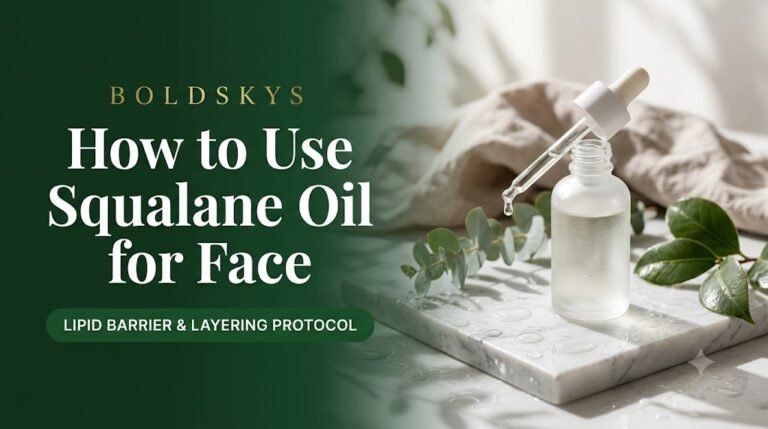
In modern cosmetic dermatology, few biomimetic lipids have revolutionized barrier restoration quite like 100% plant-derived squalane oil. Naturally found within human sebum, this fully saturated, non-polar hydrocarbon mimics your skin’s innate cellular envelope with precision. However, despite its widespread acclaim across luxury skincare, widespread consumer confusion persists regarding correct layering order, comedogenic safety, and molecular synergy with active ingredients.
Quick Summary: How to Use Squalane Oil for Face Correctly
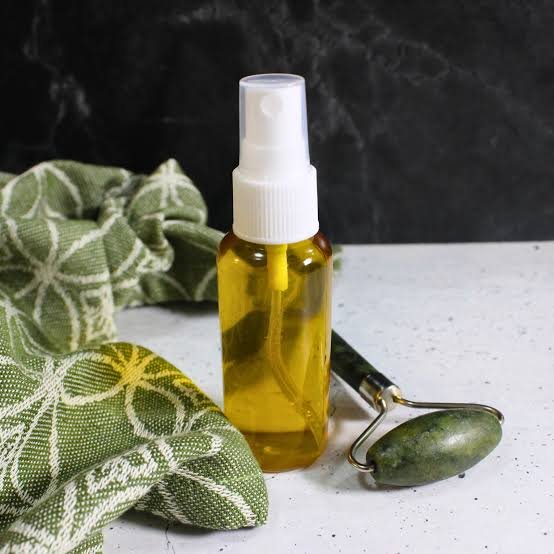
To use squalane oil effectively: Cleanse and apply all water-based serums (such as hyaluronic acid or vitamin C) first. Follow with your barrier cream, then dispense 2 to 3 drops of pure squalane oil into warm palms and press gently across cheeks, forehead, and neck. Applying squalane as your penultimate step creates an emollient lipid shield that prevents trans-epidermal water loss (TEWL) without clogging pores.
Consumers frequently apply facial oils at incorrect points in their routines, inadvertently blocking hydration from water-soluble products or failing to seal in moisture. Without structured lipid management, skin suffers from dehydration-induced sebum rebound, flaking, and barrier fatigue.
Resolving this challenge requires understanding the biophysics of cosmetic oils: molecular weights, trans-epidermal flux rates, and lipid saturation. This master guide breaks down the science of squalane, features our interactive regimen builder, and presents the clinical facial application protocol.
1. Cuticular Biochemistry: Squalene vs. Squalane Hydrocarbon Integrity
To grasp why squalane performs with such unmatched compatibility on facial skin, one must analyze the biochemical architecture of human sebum. Between 10% and 13% of your skin’s natural lipid mantle consists of squalene (with an ‘e’). However, natural squalene possesses six unsaturated double bonds:
The Squalene Vulnerability (Unsaturated Lipid Peroxidation): Because squalene contains multiple double bonds, it oxidizes rapidly upon exposure to atmospheric oxygen and solar UV radiation. Oxidized squalene creates squalene mono-hydroperoxide, a highly comedogenic byproduct proven in dermatological studies to trigger microcomedones, follicular hyperkeratosis, and inflammatory acne.
The Squalane Revolution (Hydrogenated Saturation): Squalane (with an ‘a’) is produced by hydrogenating botanical squalene derived from Brazilian sugarcane or Mediterranean olives. Complete hydrogenation saturates all double bonds, converting the unstable oil into a fully stable alkane hydrocarbon (C30H62). It delivers identical physiological biocompatibility with zero susceptibility to auto-oxidation.
“Squalane is not merely an oil; it is a bio-identical liquid hydrocarbon that slips between skin cells to instantly restore depleted lipid seals.”
2. Visualizing Barrier Restoration: Lipid Density Comparison
Trans-Epidermal Water Retention: Drag Slider to Compare
Slide left and right to inspect stratum corneum morphology before and after 2 weeks of clinical squalane integration:
Before: Compromised Barrier
Loose corneocyte shingles, high trans-epidermal water loss (TEWL), dry surface micro-cracks, and flaking redness.
After: Squalane Lipid Seal
Compacted intercellular lipid matrix, locked-in humectants, 0% pore congestion, and a smooth, radiant glow.
Input your skin phototype and current barrier challenges to generate your customized 7-day lipid integration routine:
4. The Molecular Layering Hierarchy: Before or After Moisturizer?
A fundamental rule in cosmetic science dictates product layering: layer from the thinnest viscosity (water-based) to the thickest density (oil-based). According to dermatological evaluations in the International Journal of Trichology and Cosmetic Sciences, reversing this order impedes trans-epidermal penetration:
Layering Phase
Cosmetic Product Classification
Primary Biochemical Function
Correct Squalane Placement
Phase 1: Water-Soluble Actives
Essences, Toners, Hyaluronic Acid, Niacinamide
Attracts free water into epidermis via hydrogen bonding.
Apply BEFORE squalane; oils block humectant absorption.
Phase 2: Emulsions & Creams
Ceramide Lotions, Barrier Repair Creams
Supplies physiological lipids, cholesterol, and fatty acids.
Apply BEFORE squalane (or mix 1 drop directly in hand).
Phase 3: Squalane Oil (Lipid Seal)
100% Plant-Derived Squalane Hydrocarbon
Fills microscopic fissures between corneocytes; prevents TEWL.
THE PENULTIMATE STEP: Locks in all preceding water layers.
Phase 4: Photoprotection (AM Only)
Broad-Spectrum Mineral or Chemical Sunscreen
Shields stratum corneum from UV-A and UV-B radiation.
Apply AFTER squalane has absorbed for 2 full minutes.
5. Dermatological Myth vs. Fact: Comedogenicity & Acne Safety
Tap each card below on your mobile screen to flip and reveal the peer-reviewed clinical truth:
MYTH: Squalane Clogs Pores
“Facial oils cause blackheads and trigger cystic breakouts.”
(Tap to Reveal Truth)
FACT: Comedogenic Rating of 0
Pure plant squalane is completely non-comedogenic. Unlike unstable oils, it does not oxidize in pores into acne-causing lipid peroxides.
MYTH: Oily Skin Needs No Oil
“If your face is oily, adding squalane makes it twice as greasy.”
(Tap to Reveal Truth)
FACT: Regulates Sebum
Excess oil is often a defense mechanism against barrier dehydration. Squalane restores balance, halting excess sebum overproduction.
MYTH: Squalane Replaces Moisturizer
“You can skip your facial cream and use squalane alone.”
(Tap to Reveal Truth)
FACT: Oils Contain No Water
Squalane is an emollient/occlusive, not a humectant. It seals water into the skin, but cannot provide hydration on its own.
“Hydration is water; moisture is oil. Squalane does not hydrate skin—it builds the fortress that prevents hydration from escaping.”
6. The 5-Stage Salon-Grade Face Application Protocol
To avoid surface shine and ensure trans-epidermal absorption, apply squalane using this clinical method:
Never apply squalane to bone-dry skin. After cleansing, leave your face slightly damp or mist with pure thermal water. Apply your favorite hyaluronic acid, glycerin, or botanical serum. As explored in our clinical guide on how to apply active serums correctly, humectants require ambient water molecules to plump the epidermis effectively.
Phase 2: Stratum Corneum Moisturizer Layer
Smooth a pea-sized amount of your everyday ceramide or peptide cream across your face. Wait 60 seconds to allow the emulsion to bond with the skin barrier.
Phase 3: The 2-to-3 Drop Rule & Palm Activation
Dispense precisely 2 to 3 drops of pure plant squalane onto your palms. Rub your hands together for 3 seconds. The friction warms the hydrocarbon molecules, lowering surface tension so the oil spreads in an ultra-fine, invisible micro-film rather than a heavy, greasy pool.
Phase 4: The Pat-and-Press Technique
Do not rub your face aggressively in circles—this displaces the underlying moisturizer layer. Instead, press your flat palms gently against your cheeks, hold for 3 seconds, then move to your forehead, chin, and neck. The warmth of your hands encourages the squalane to slip smoothly into intercellular crevices.
Phase 5: Sunscreen Application (Morning Regimen)
Allow the squalane to settle for 2 minutes until your skin feels velvety and dry to the touch. Follow with your broad-spectrum SPF 50 sunscreen. Because squalane does not degrade sunscreen filters, it forms an ideal smoothing primer under makeup.
Step 1: Prep: Cleanse with a low-pH cleanser. Leave skin damp.
Step 2: Hydrate: Apply 3 drops of Hyaluronic Acid or Niacinamide serum.
Step 3: Moisturize: Smooth on your ceramide barrier cream.
Step 4: Seal: Warm 2 to 3 drops of 100% Plant-Derived Squalane between palms; press gently across cheeks, forehead, and neck.
Step 5: Protect: Finish with SPF 50 in the morning, or let rest as an overnight lipid repair mask.
8. Active Synergies: Buffering Retinoids, Vitamin C, and Chemical Exfoliants
One of squalane’s most valuable clinical attributes is its complete chemical stability. Unlike plant seed oils containing polyunsaturated triglycerides that interact with sensitive actives, squalane serves as an inert, soothing carrier:
With Prescription Retinoids (Tretinoin & Retinol): Applying a micro-drop of squalane prior to retinoid application is known dermatologically as “buffering.” As proven in clinical research indexed on PubMed, buffering slows the trans-dermal penetration rate of pure retinoic acid, preventing retinoid dermatitis, erythema, and flaking while preserving cellular turnover benefits.
With L-Ascorbic Acid (Vitamin C): Squalane’s anhydrous (water-free) nature shields pure vitamin C from atmospheric oxidation. Layering squalane over vitamin C serums prevents rapid degradation into yellow dehydroascorbic acid.
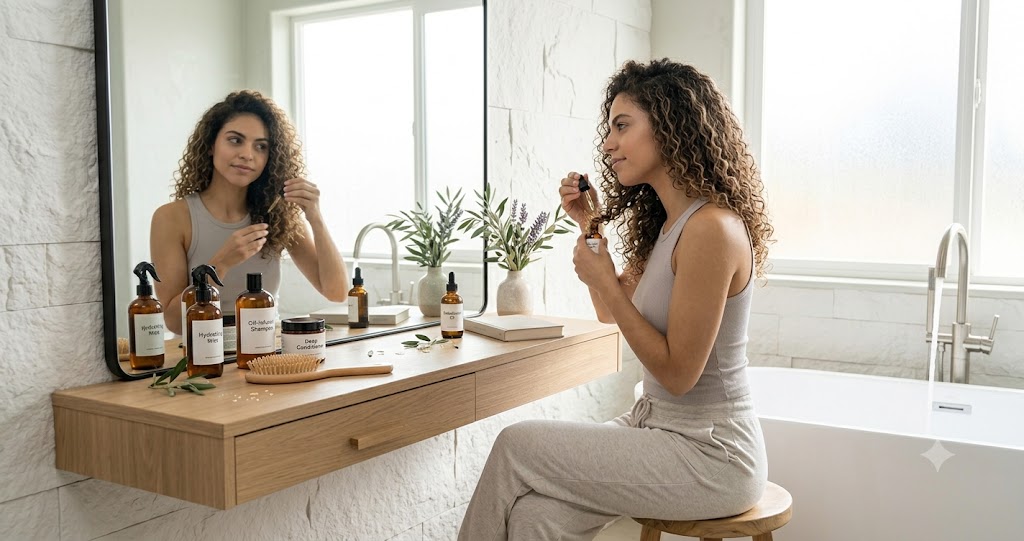
Scalp & Follicular Extension: Squalane is equally remarkable for hair. Just as it mimics facial sebum, massaging 2 drops into sensitive root zones complements clean botanical infusions, such as our protocol on how to make rosemary hair oil at home, providing balanced slip without clogging hair follicles.
9. Frequently Asked Questions
Do you apply squalane oil before or after moisturizer?