Curated & Written by the Boldskys Editorial Desk • Scientifically Reviewed for Dermal and Follicular Integrity • Adheres to US/UK Botanical Protocol Standards
🌿
Quick Executive Compendium (TL;DR)
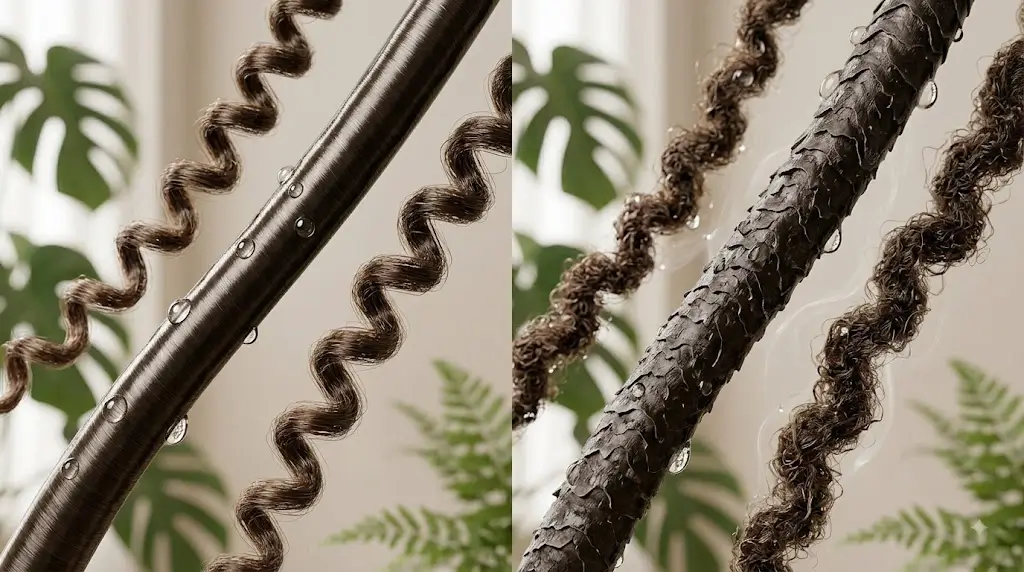
The Central Challenge: Low porosity hair is characterized by ultra-compact, flat cuticles that mimic an impermeable slate roof. Moisture beads up on the hair surface instead of entering the cortex, leading to chronic dry ends, recurring product build-up, and unexplained strand snap.
The Scientific Solution: Building a sustainable low porosity hair moisture routine relies on two physics-based factors: thermal cuticle expansion (using heat caps or humid steam) and low-molecular botanical humectants (such as aloe vera, rose hydrosol, and agave nectar). Heavy solid butters and thick oils must be replaced with ultra-fluid lipids like grapeseed, argan, and jojoba.
Immediate Protocol Action: Clarify monthly to purge stubborn mineral and wax blockages, condition exclusively under indirect heat, and use the targeted LCO (Liquid-Cream-Oil) method rather than LOC to permanently seal in moisture.
1. Structural Biophysics: Why Low Porosity Hair Repels Water
In trichological science, hair porosity refers to the genetic or structural capacity of the hair shaft’s outermost layer—the cuticle—to absorb, transport, and lock in moisture. As documented in histological hair studies referenced by the National Center for Biotechnology Information (NCBI), a healthy strand of hair consists of three core concentric zones: the innermost medulla, the structural keratin-rich cortex, and the outer protective shingle-layer known as the cuticle.
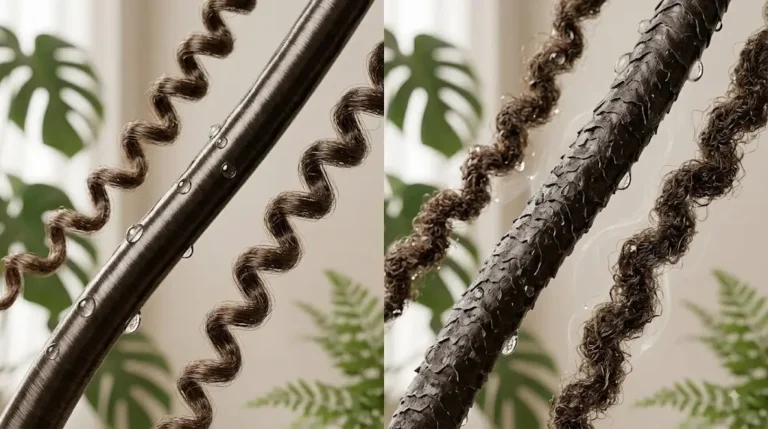
In individuals with low porosity strands, the individual cuticle scales are bound together with remarkable density. Held in place by an intact cell membrane complex (CMC) and a robust hydrophobic 18-methyleicosanoic acid (18-MEA) lipid layer, these scales lie completely flat, overlapping tightly with almost zero intercellular gap space. This structural layout provides clear advantages: low porosity hair is inherently durable, naturally lustrous, remarkably resistant to chemical processing, and far less prone to environmental protein degradation than elevated, high porosity hair.
However, this tight barrier poses a persistent cosmetic dilemma. Water molecules ($H_2O$), leave-in lotions, and lipid emulsions struggle to pass through this tightly bound defense. When you mist low porosity hair with tap water, surface tension forces the water to bead up and roll off like rain droplets on a freshly waxed sports car. If you apply thick, unrefined castor oil or pure raw shea butter, these heavy lipids simply sit on top of the cuticle, forming a greasy film that oxidizes in natural daylight, attracts dirt, and paradoxically suffocates the thirsty cortex underneath. For alternative scalp stimulation that does not clog cuticles, explore our proven guide on brewing rosemary water for hair growth.
Establishing an effective low porosity hair moisture routine requires working with your strand’s natural biophysics rather than fighting against it. Instead of forcing heavy moisture upon closed cuticles, the solution lies in utilizing thermal energy and mild alkaline or steaming principles to temporarily open the cuticle scales, delivering lightweight botanical humectants deep into the cortex before cooling the hair down to lock in hydration.
2. Interactive Diagnostic: 5 Signs Your Strands Are Low Porosity
Before curating and investing in botanical treatments, you must confirm that your hair is truly struggling with low porosity rather than standard product saturation or chemical dryness. Complete our interactive follicular diagnostic checklist below to assess your strand profile:
Interactive Reader Diagnostic: Is Your Hair Low Porosity?
Review your regular wash-day experience and check all that match your hair:
Diagnosis Matrix: Checking 3 or more boxes indicates a prominent low-porosity cuticle architecture. Implementing the thermal ingress routine detailed below is essential for lasting hydration.
3. The 4-Pillar Low Porosity Hair Moisture Routine
A well-structured low porosity hair moisture routine eliminates unnecessary styling products, focusing instead on four reliable, scientifically sound pillars designed to protect delicate strands:
Pillar 1: Regular Clarification (The Purifying Reset)
Because low porosity cuticles are tightly bound, styling products naturally accumulate on the exterior of the hair. Over two weeks, residual polyquaterniums, silicones, and atmospheric dust form an invisible, mineralized shell around the cuticle. This layer must be safely removed before deep hydration can take place.
Clarify every 10 to 14 days using a sulfate-free, chelating cleanser formulated with apple cider vinegar, willow bark extract, or sodium olefin sulfonate. This clarifies the surface without stripping the natural sebum produced by your scalp.
Pillar 2: Thermal Moisture Infusion
Ordinary room-temperature deep conditioning leaves low porosity hair largely dry. Without an environmental stimulus, the tightly closed cuticles remain shut, and the conditioning formula simply rinses down the drain.
Deep conditioning low porosity hair requires mild, indirect heat. A cordless microwavable flaxseed thermal cap, a hooded salon dryer, or a handheld facial steamer produces warm vapor that expands the cuticle shingles just enough for panthenol (Pro-Vitamin B5), hydrolyzed silk peptides, and amino acids to enter the inner cortex.
Pillar 3: Low-Molecular Weight Humectants
Low porosity hair thrives on humectants that draw atmospheric water molecules directly into the expanded hair shaft. Look for small-molecule hydrators such as:
Pure Aloe Vera Inner Leaf Juice: Delivers essential polysaccharides and enzymes that soothe the scalp while softening tough cuticles.
Vegetable Glycerin (USP Grade): A reliable, water-loving molecule that pulls environmental moisture straight into the inner hair fiber.
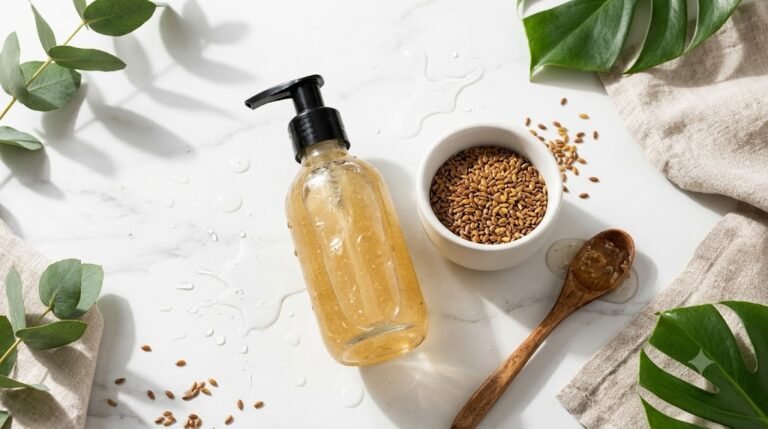
Agave Nectar & Marshmallow Root Extract: Provide exceptional natural slip, coat the cuticle without weight, and make detangling smooth and effortless. For clean curl styling that doesn’t cause flaking, see our recipe for making DIY flaxseed gel for hair.
Pillar 4: Precision Micro-Sealing
The goal is to seal in moisture without suffocating the hair. Traditional thick butters and heavy castor oil must be replaced with lightweight, single-origin botanical oils rich in polyunsaturated fatty acids. These low-viscosity oils slip smoothly over the cuticle scales, locking hydration inside while allowing the hair to breathe, flex, and move naturally.
4. Thermal Hydration Protocol: How to Open Tight Cuticles
Applying heat during your conditioning step is the most transformative part of a low porosity hair care routine. The process involves simple physics: applying heat elevates the vibrational energy of the cuticle’s keratin protein matrix, expanding the micro-shingles just enough for water and nutrients to enter the shaft.
Step-by-Step Thermal Mask Protocol:
Step 1 (Shampooing Warm): Cleanse your scalp and hair with lukewarm water (roughly 38°C to 40°C). Lukewarm water starts loosening accumulated sebum and prepares the cuticle for treatment.
Step 2 (Even Mask Application): Squeeze out excess water until strands are damp, not dripping. Section your hair into 4 equal quadrants. Apply a generous palmful of your lightweight, protein-free botanical deep conditioner from mid-lengths down to your ends.
Step 3 (Thermal Cap Activation): Twist each quadrant into a loose bun and cover with a shower cap. Place a heated thermal cap over top, or sit under a tabletop hooded steamer for 20 to 25 minutes.
Step 4 (The Cool Water Cuticle Seal): Remove the heat cap and let your hair cool to room temperature for 3 to 5 minutes. Then, rinse thoroughly with cool-to-cold water (around 18°C to 20°C). The cooler water smoothly contracts the cuticle scales back into their tight alignment, sealing the active hydration inside the cortex for days.
5. The Formulation Shift: Why LCO Trumps the Classic LOC Method
In standard hair care guides, the classic LOC Method (Liquid first, Oil second, Cream third) is often recommended. However, applying this order to low porosity strands is a common reason why hair ends up feeling stiff, brittle, and dry.
If you apply an oil immediately after your water-based liquid, that oil forms a thin hydrophobic layer over the closed cuticle. When you then attempt to apply your hydrating leave-in cream, it cannot penetrate this oily barrier. The cream sits on top, mixes with the oil, and dries into a chalky, flaky film on your shoulders.
By switching to the refined LCO Protocol (Liquid $\rightarrow$ Cream $\rightarrow$ Oil), you follow the natural laws of molecular absorption:
The LCO Scientific Ordering Breakdown:
L (Liquid/Hydrosol): A pure botanical mist or distilled water infuses raw hydration directly into the cortex.
C (Cream/Light Leave-In): A lightweight, water-emulsified milk delivering panthenol, plant mucilage, and amino acids to hydrate and soften the cuticle layers.
O (Micro-Oil Sealer): A few drops of low-density botanical oil applied to the ends to lock in the preceding hydration without weighing down your strands.
6. Botanical Comparison Matrix: Beneficial vs. Problematic Ingredients
Choosing the right botanical ingredients is essential for maintaining healthy, bouncy low porosity hair. Reference this verified guide when reviewing product labels:
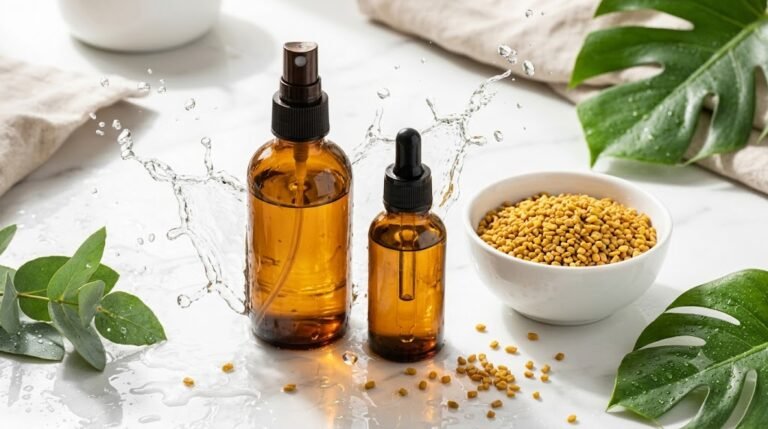
Creating your own pure, chemical-free herbal mist provides a dependable way to refresh your curls between wash days. This customized botanical recipe is balanced to deliver clean hydration without flaking or greasy residue:
In a sterilized, amber glass mist bottle (250 ml capacity), combine the organic rose hydrosol and filtered aloe vera juice.
Add the measured vegetable glycerin and swirl gently in circular motions until completely dissolved into the aqueous base.
Carefully add the drops of cold-pressed argan oil and pure rosemary essential oil. Because this formulation contains no chemical emulsifiers, shake the bottle vigorously for 5 seconds before every use to temporarily disperse the oil droplets.
Store the amber bottle in the refrigerator. The cool temperature keeps the botanicals fresh and feels delightfully soothing when misted onto your scalp on warm mornings.
Dermatological Precaution & Patch Test Directives
Natural botanical ingredients contain active plant enzymes, terpenes, and volatile aromatics that can cause skin irritation in sensitive individuals. Before applying any new herbal mist or oil mixture to your hair and scalp, apply 3 to 4 drops behind your ear or along your inner wrist. Monitor the area for 24 continuous hours. If redness, tingling, or irritation develops, discontinue use immediately.
8. The 7-Day Editorial Moisture Calendar
Consistency is key to keeping low porosity hair soft, hydrated, and resilient. Follow this simple 7-day schedule to balance hydration and prevent product build-up:
Sunday (Wash Day & Thermal Reset): Cleanse with a mild sulfate-free shampoo. Apply your botanical deep conditioner under a thermal heating cap for 25 minutes. Rinse with cool water and seal using the LCO method.
Tuesday (Mid-Week Revival): Lightly mist hair with your Botanical Hydration Mist to rehydrate ends. Avoid applying heavy oils or thick creams today.
Thursday (Protective Restructuring): Lightly warm 3 drops of pure argan or grapeseed oil between your palms and gently smooth over the ends to minimize friction damage.
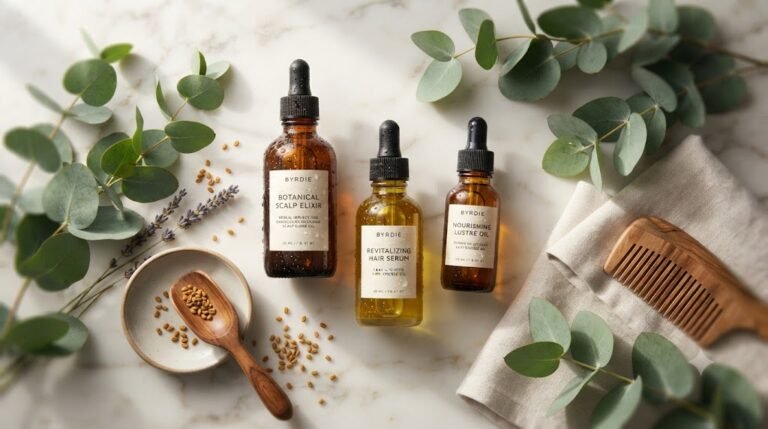
Saturday (Scalp & Follicle Care): Massage your scalp with a lightweight botanical serum to support microcirculation and remove surface flakes before tomorrow’s wash day.
9. Frequently Asked Trichology Questions (FAQ)
How often should low porosity hair be deep conditioned?
For best results, deep condition low porosity hair once every 7 to 10 days using indirect heat (such as a thermal cap or hair steamer). Conditioning more than once a week without sufficient heat can lead to surface product build-up without delivering real moisture to the cortex.
Why does coconut oil make low porosity hair feel dry and brittle?
Pure raw coconut oil is high in lauric acid, a saturated medium-chain fatty acid with a strong affinity for hair proteins. On low porosity hair, coconut oil binds tightly to the outer cuticle rather than absorbing, creating a stiff barrier that blocks external water and air, leaving the hair feeling rigid and dry.
Can low porosity hair handle protein treatments?
Yes, but in moderation. Low porosity hair requires significantly less protein than chemically processed or bleached strands. Limit treatments to light, hydrolyzed silk peptides or vegetable amino acids once every 6 to 8 weeks, always followed by a heat-activated moisture mask to keep strands soft and pliable.
What is the best water temperature for washing low porosity hair?
Use lukewarm water (38°C to 40°C) during cleansing and conditioner application to gently lift the cuticle scales. Finish your routine with a cool-to-cold rinse (around 20°C) to contract the cuticle layers, helping lock in the hydration and natural shine.
How can I tell if my hair has product build-up or is simply dry?
If your hair feels sticky, looks dull, takes noticeably longer to get wet in the shower, and sheds white flakes along the hair shaft when scratched with a fingernail, you are dealing with product build-up. A thorough clarifying wash will reset the hair and restore healthy moisture absorption.
Botanical Safety & Trichological Disclaimer:
The diagnostic checks, scientific explanations, and botanical recipes shared in the Boldskys Botanical Compendium are intended solely for educational, cosmetic, and lifestyle purposes. They do not constitute certified medical, clinical trichological, or dermatological diagnosis. Persistent scalp inflammation, severe shedding, or sudden hair thinning may indicate underlying endocrine, nutritional, or dermatological conditions. Always consult a board-certified dermatologist or certified trichologist for persistent scalp concerns. Botanical standards adhere to natural compendium directives from the United States Department of Agriculture (USDA).