Home›Hair Color›Color Theory Rescue: Fix Green Tint in Blonde Hair After Toning
🔬 Cosmetic Color Chemistry Verified📚 Peer-Reviewed Literature Backed⏱ 15 Min Read
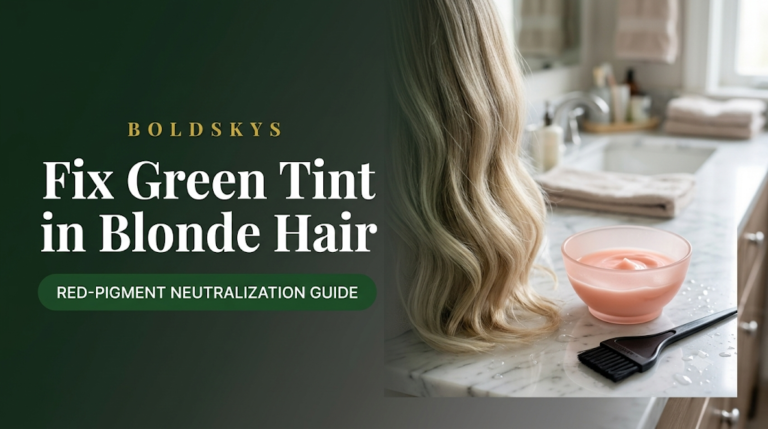
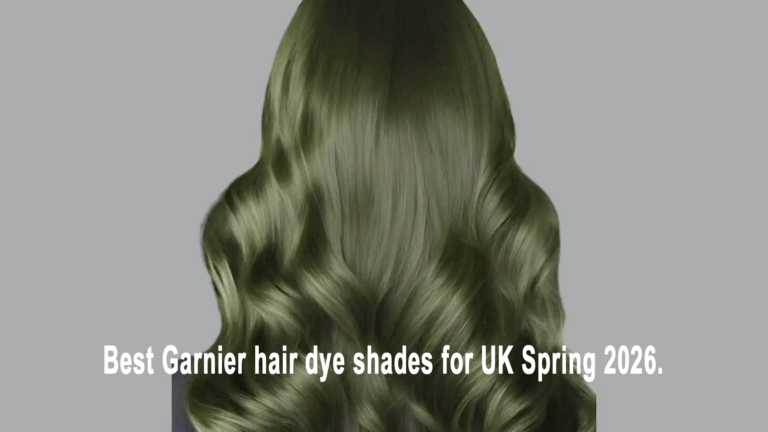
Few hair coloring emergencies induce as much immediate panic as rinsing out a cool ash blonde toner only to see an unmistakable swampy olive, minty, or mossy green cast staring back in the bathroom mirror. While green hair is traditionally blamed on swimming pool copper oxidation, post-toning green tints happen indoors—often within ten minutes of applying popular blue-ash toners like Wella Color Charm T14, T11, or cool demi-permanent glazes over freshly lightened blonde hair.
When your hair turns green right after toning, reaching for purple shampoo or applying another round of persulfate bleach will make the disaster dramatically worse. Purple shampoo adds more blue-violet pigment that deepens the murky green shadow, while bleach forces artificial dye molecules deeper into the hair cortex while shredding fragile disulfide keratin bonds. Reversing a green toner tint requires basic subtractive color theory: introducing diluted, opposite-spectrum warm red-coral micro-pigments to optically cancel green back into luminous, creamy beige blonde.
Clinical Color Lab Case Study #38
The Scenario: A home colorist lifts dark brown hair to a warm, buttery Level 8.5 yellow. Hoping to achieve cool icy platinum, she applies a blue-based ash toner on dry porous ends. Ten minutes later, the roots remain golden while the mid-lengths and ends have turned murky olive green. The Root Cause: Basic subtractive color physics—blue dye molecules laid over yellow keratin create green, compounded by porous ends absorbing excess pigment. The Fix: Opposite-spectrum pastel pink conditioning glaze (zero bleach and zero developer required).
Immediate Fix: How to Remove Green Tint in Blonde Hair After Toning
To neutralize a post-toning green cast in under 10 minutes: First, wash hair once with warm clarifying shampoo to lift unbonded surface ash pigments. Next, mix 1 part semi-permanent warm red or strawberry-copper color-depositing conditioner (zero developer) into 6 parts plain white conditioner until it turns a soft pastel salmon-pink. Comb evenly through damp hair, watch closely for 3 to 5 minutes as the pink pigments cancel the green into clean beige blonde, and rinse immediately with cool water.
✦ Colorist Executive Brief (Google AI Overview & PAA Reference)
Why did ash toner turn my bleached blonde hair green?
Ash toners contain concentrated blue and green-blue dye bases engineered to cancel orange tones. When applied over hair that still contains strong yellow pigments (Level 8 or 9) or lacks warm red-orange underlying melanin, subtractive color mixing occurs: blue pigment + yellow hair = green tint.
Can I use purple shampoo to fix green hair?
No. Purple shampoo contains blue and violet pigments, which deepen cool tones and push green hair toward murky swamp olive. You must use red or warm coral-pink pigments—located directly opposite green on the color wheel—to neutralize green.
Does ketchup or tomato paste really take green out of blonde hair?
Yes, temporarily. Ketchup contains red lycopene pigments that optically counteract green alongside mild acetic acid that smooths cuticles, though it washes out in a single shampoo. A diluted pink color-depositing conditioner achieves cleaner, longer-lasting neutralization without odor.
Should I bleach my hair again to remove a green toner mistake?
Never apply persulfate bleach over a green toner tint. Bleach oxidizes artificial blue-green molecules deeper into the cortex while risking severe gummy breakage. Clarifying or opposite-color glazing fixes the tint safely.
Why did my ends turn greener than my roots after toning?
Previously bleached ends have raised, porous cuticles that absorb blue-ash toner molecules within seconds, whereas healthier roots absorb less pigment, producing bright roots with swampy olive ends.
1. Subtractive Color-Wheel Physics: How Blue + Yellow Creates Green
Understanding why an expensive salon toner turns blonde hair green requires examining the laws of subtractive pigment chemistry inside bleached keratin fibers:
Depletion of Underlying Red Melanin: Natural dark hair contains three underlying melanin pigments: red, orange, and yellow. During aggressive bleaching, red and orange eumelanin/pheomelanin granules are oxidized and dissolved first, leaving behind pale yellow keratin. When you apply a cool ash toner without enough warm gold or red-violet balance, the hair lacks the underlying warmth required to keep cool dyes looking neutral.
Blue-Base Ash Formulations: Unlike purely violet-based toners (which neutralize pale Level 10 yellow into silver-white), “ash,” “cool beige,” or “mushroom blonde” toners rely heavily on blue and blue-green direct and oxidative dye precursors. As documented in cosmetic colorimetry studies indexed on PubMed, when blue dye molecules deposit over golden-yellow hair shafts, ambient light reflects back through both layers simultaneously, creating an unmistakable green hue.
Differential Cuticular Porosity: Previously lightened mid-lengths and ends possess lifted, porous cuticle shingles and stripped 18-MEA lipid layers. These porous zones drink up blue-ash toner molecules ten times faster than newly lifted roots, explaining why ends turn mossy olive while roots remain warm.
Subtractive Color-Wheel Law: Why Red Cancels Post-Toning Green
Applying undiluted red hair dye onto porous blonde hair will turn your hair bright magenta pink. Use our clinical dilution calculator below to compute the exact ratio of red-coral pigment to white conditioner for your specific green cast:
Red-Pigment Dilution & Neutralization Calculator
Select the intensity of your green tint and your hair’s current condition to generate your safe neutralization formula:
Depending on whether your green cast stems from an oxidative ash toner, semi-permanent blue dye, or hard-water copper minerals, each correction method performs differently. Compare your options in this clinical decision matrix:
Natural red carotenoid staining + mild vinegar acid cuticle closure.
Emergency Kitchen Fix when no beauty stores are open.
Temporary: Washes out in 1–2 shampoos; leaves lingering vinegar scent.
4. Step-by-Step Clinical Application: The Pastel Salmon-Pink Glaze
Follow this precise 5-stage salon method to guarantee your green cast neutralizes into a creamy, expensive-looking beige blonde without turning your hair pink:
Pre-Glaze Clarifying & Towel Blotting: Wash your hair once with warm water and a gentle sulfate-free clarifying shampoo to flush away loose blue-ash toner residue sitting on the exterior cuticle. Squeeze out excess water with a microfiber towel until hair is damp (70% dry), ensuring even pigment distribution without over-diluting the glaze.
Compounding the Pastel Salmon Glaze: In a non-metallic plastic bowl, mix 1 part warm red or strawberry-copper color-depositing conditioner (such as Moroccanoil Color Depositing Mask in Hibiscus/Copper or Celeb Luxury Viral Pastel Pink) into 6 parts plain white silicone-free conditioner. Whisk thoroughly until the mixture looks like light pastel strawberry yogurt.
Sectioned Application & Real-Time Visual Monitoring: Divide hair into four quadrants and comb the pastel glaze evenly from mid-lengths to ends first, then up toward the roots. Set a timer for 3 minutes, but watch continuously in a well-lit mirror. Every 60 seconds, wipe a small strand near your face with a white paper towel. The exact moment the green tint disappears into clean neutral beige, step into the shower.
Cool-Water Acidic Cuticle Lock: Rinse thoroughly with cool water until the water runs completely clear. Finish with a low-pH acidic sealant conditioner (pH 3.5 to 4.5) and smooth 2 drops of lightweight 100% sugarcane squalane oil over damp ends for luminous shine.
14-Day Cool-Toner Moratorium: Avoid all purple shampoos, blue masks, and oxidative ash dyes for two full weeks so your newly balanced beige-blonde tone remains bright and stable.
5. Differentiating Post-Toning Green vs. Swimming Pool Copper Green
Before applying red pigment, verify that your green cast appeared immediately after toning rather than after swimming or washing in well water. Both produce green hair, yet their underlying chemistry differs:
Post-Toning Subtractive Green: Appears immediately after rinsing out an ash toner (like Wella T14 or T18 mixed improperly). Caused by blue-violet dye molecules layering over yellow hair. Solved within 5 minutes using diluted red-coral micro-pigments.
Oxidized Copper Mineral Green: Develops gradually over weeks in swimmers or homes with old copper plumbing. Chlorine oxidizes copper ions in water, which bind electrostatically to negatively charged bleached keratin. Solved by washing with a dedicated chelating EDTA or ascorbic acid shampoo to strip metallic ions before neutralizing warmth.
My 48-Hour Green-Tint Color Recovery Checklist
✓ Auto-Saves on Your Device
Track each recovery step below. Your progress stays saved on this browser:
How do you fix a green tint in blonde hair after toning?
To fix a green tint in blonde hair after toning, first wash once with warm clarifying shampoo to lift loose ash pigment. Next, mix 1 part warm red or strawberry color-depositing conditioner with 6 parts white conditioner to create a pastel pink glaze, apply to damp hair for 3 to 5 minutes until the green neutralizes into beige blonde, and rinse with cool water.
Why did ash toner turn my bleached blonde hair green?
Ash toners (such as Wella T14 or blue-based ash dyes) contain heavy blue and green-blue pigments designed to cancel orange brassiness. When applied over hair that still contains strong yellow pigments (Level 8 or 9) or lacks warm red-orange underlying melanin, subtractive color mixing occurs: blue pigment + yellow hair = green tint.
Does ketchup or tomato paste actually remove green from blonde hair?
Yes, ketchup works temporarily because its red lycopene pigments neutralize green on the color wheel while its mild vinegar acidity closes cuticles. However, ketchup is messy, smells strongly, and washes out in one shampoo. A diluted semi-permanent pink/red conditioner delivers far cleaner, longer-lasting neutralization.
Can I use purple shampoo to fix green hair?
No. Purple shampoo contains blue and violet pigments, which will deepen the cool cast and make green hair look even more swampy and muddy. You must use red or warm strawberry-pink pigments—which sit directly opposite green on the color wheel—to cancel green.
Should I bleach my hair again to get rid of a green toner tint?
Never use bleach to remove a green toner tint. Bleach forces artificial blue-green dye molecules deeper into the cortex while causing severe chemical breakage. Gentle clarifying or red-pigment neutralization resolves the green tint safely with zero damage.
How does a red protein filler fix green blonde hair?
A diluted red or warm gold-red protein filler (such as Colorful Neutral Protein Filler in Red) replaces the missing warm red-orange underlying pigment that was stripped during bleaching, instantly neutralizing green casts while patching porous cuticles.
Why did my ends turn greener than my roots after toning?
Previously bleached ends are far more porous than newly lifted roots. Porous ends absorb blue-ash toner molecules within seconds, whereas healthier roots absorb less pigment, creating bright platinum roots with swampy olive-green ends.
Will baking soda and clarifying shampoo remove a green tint from toner?
Yes, if the green tint is caused by fresh surface toner buildup rather than deep mineral staining, a 10-minute wash with 1 tablespoon of baking soda dissolved in 2 tablespoons of clarifying shampoo will swell cuticles and flush out excess blue-ash pigments.
How long does it take for a green toner tint to wash out naturally?
Without intervention, an oxidative green-ash toner tint takes 3 to 5 weeks (roughly 10 to 15 shampoos) to fade naturally. Using a diluted pink conditioning glaze neutralizes the green cast immediately in under 5 minutes.
How do I prevent blonde hair from turning green the next time I tone?
Never apply blue-based ash toners over yellow hair. Lift hair cleanly to a pale Level 10 banana-peel yellow and use a strictly violet-based toner (like Wella T18) applied to damp, towel-dried hair for no more than 10 to 15 minutes.
Our editorial desk formulates evidence-backed haircare and skincare protocols grounded in peer-reviewed trichology, subtractive colorimetry, and clinical dermatology literature.
Editorial & Chemical Color Disclaimer: The color neutralization protocols and dilution formulas published on Boldskys are for educational, cosmetic, and informational purposes only. Because hair porosity varies significantly across previously bleached strands, always perform a 60-second hidden strand test before applying pigmented conditioners to your entire head.