For centuries, the Yao women of Huangluo village in China—certified by the Guinness Book of Records as the “World’s Longest Hair Village”—have preserved floor-length, lustrous, jet-black tresses well into their eighties without displaying a solitary gray strand. Their legendary beauty secret is neither genetic magic nor synthetic luxury serums: it is the disciplined, ritualistic use of fermented rice water rinses.
Quick Answer: How to Make Fermented Rice Water for Hair
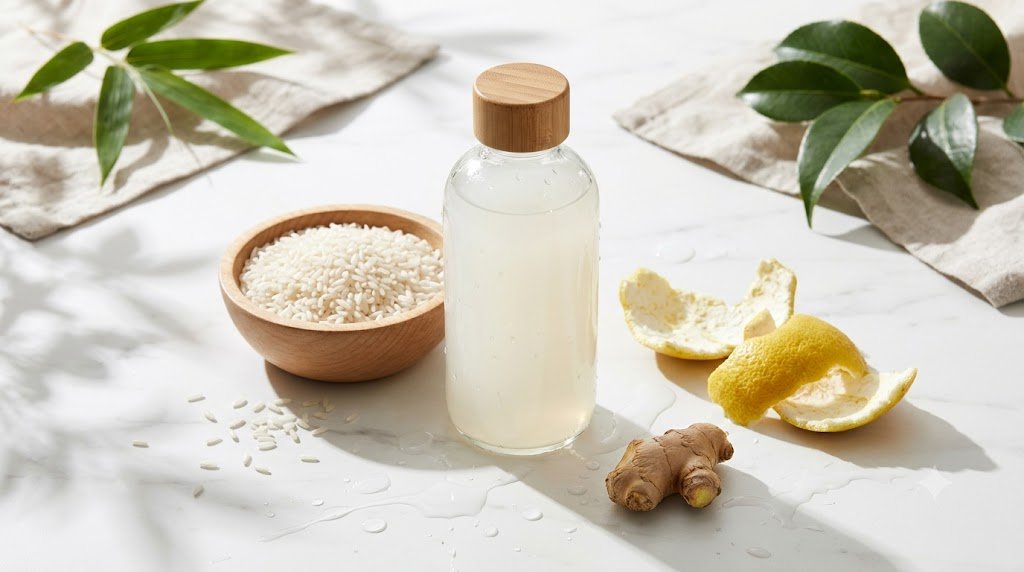
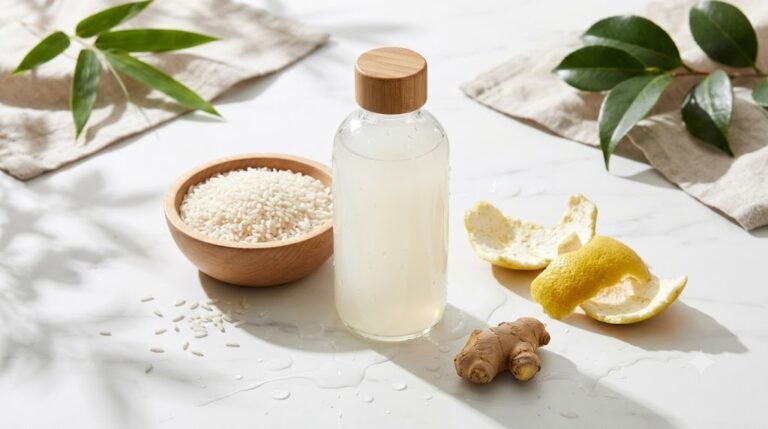
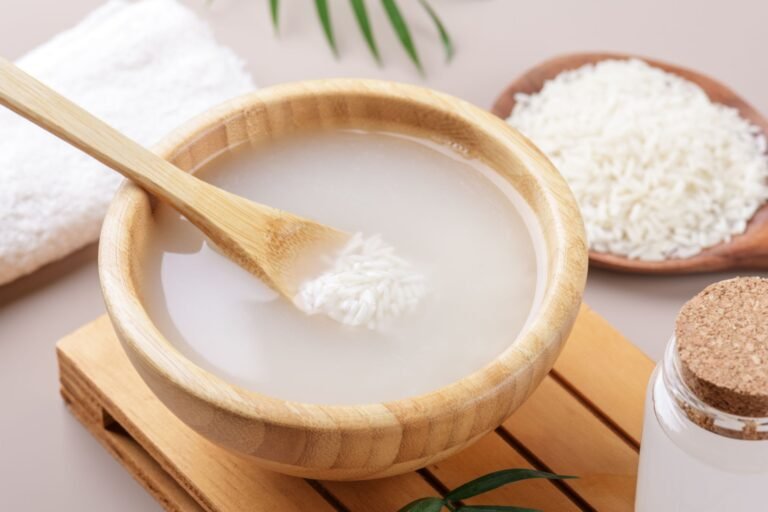
To make fermented rice water: Rinse 1/2 cup of organic white rice to remove impurities. Soak the grains in 2 cups of distilled water, vigorously massaging them for 3 minutes until milky. Strain liquid into an airtight glass jar with a slice of citrus peel, ferment at room temperature for 18 to 24 hours until slightly sour, boil for 60 seconds to arrest fermentation, and dilute 1:1 with water before applying as a post-shampoo rinse for 15 minutes.
In modern cosmetic dermatology, this ancient Asian hair ritual has undergone extensive biochemical scrutiny. Clinical research published in international cosmetic science journals reveals that rice water is not merely starchy liquid; it is a bio-fermented reservoir of inositol (Vitamin B8), hydrolyzed peptides, selenium, magnesium, and organic acids that systematically penetrate fractured keratin cuticles.
However, modern beauty enthusiasts frequently encounter catastrophic side effects—including brittle fiber snapping, severe protein overload, and intractable fungal scalp dermatitis. The problem does not lie in the rice water itself, but in improper preparation, incorrect fermentation timelines, and uncalibrated application methods. This comprehensive guide outlines the molecular mechanics of rice water, details the precise 24-hour fermentation protocol, and provides a customized diagnostic system for your hair porosity.
1. The Trichology of Rice Water: Inositol, Pitera, and Cuticle Micro-Welding
To harness the regenerative power of rice water without ruining your hair’s elasticity, one must understand how its biochemical constituents interact with the hair shaft at the cellular level:
Inositol (Vitamin B8) Cortex Penetration: Most cosmetic hair conditioners feature large molecular structures that coat only the exterior cuticle. Inositol, conversely, possesses a small, cyclic polyol molecular structure that allows it to navigate past lifted cuticle scales and diffuse deep into the inner cortex. Crucially, radiological imaging studies demonstrate that inositol remains bound inside the hair shaft even after repeated rinsing with plain tap water, providing continuous internal tensile reinforcement.
Pitera Fermentation Metabolite: When rice water undergoes anaerobic yeast fermentation, it produces a clear, nutrient-rich liquid byproduct known as Pitera. Composed of natural amino acids, minerals, and organic lactic acids, Pitera accelerates cellular renewal along the scalp stratum corneum, restoring balanced sebum production.
Cuticle Micro-Friction Reduction: The microscopic starch polymers within rice water form an ultra-thin, smooth carbohydrate shield across damaged hair strands. This matrix significantly lowers the inter-fiber friction coefficient, preventing tangles during comb-out and protecting delicate curl clumps, as outlined in our clinical guide on how to detangle hair safely.
The Crucial Difference: Plain Soaked Rice Water vs. Fermented Rice Water
Plain soaked rice water possesses an alkaline pH between 7.5 and 8.0. Applying alkaline solutions causes hair cuticle scales to flare open, increasing porosity and fiber vulnerability. During 24 hours of microbial fermentation, natural yeasts reduce the pH of the solution down to a biologically optimal 4.5 to 5.0—matching the exact natural acidic mantle of human scalp skin and flatly sealing hair cuticles.
Select your hair profile below to determine the scientific dilution ratio and frequency calibrated to prevent protein overload:
3. Rice Grain Selection: Which Rice Yields the Highest Inositol Concentration?
The biochemical potency of your fermented tonic depends largely on the cultivar of rice grain you select. Never use instant, parboiled, or pre-cooked microwave rice, as industrial parboiling strips away the bran layer containing key bioactive lipids and B vitamins:
Rice Variety
Nutrient Profile & Bio-Actives
Fermentation Speed
Best Suited For
Starch Density
Organic White Jasmine / Basmati
High inositol, balanced free amino acids, rapid starch release.
Fast (18 to 24 hours at room temperature).
All hair types; beginner-friendly; easiest to rinse clean.
Medium (Optimal)
Short-Grain Sticky Glutinous Rice
Dense amylopectin content, high carbohydrate film-formers.
Moderate (20 to 24 hours).
Coarse Type 3 and Type 4 curls requiring intense clumping hold.
Very High (Requires heavy dilution)
Organic Black / Forbidden Rice
Packed with anthocyanin flavonoids, high antioxidant concentration.
Slow (24 to 30 hours).
Aging, thinning hair and inflammatory scalp conditions.
Low to Medium
Whole Grain Brown Rice
Intact germ layer, high phytic acid and mineral density.
Very Slow (often produces an unpleasantly pungent sour smell).
Not recommended for sensitive, fine hair due to rough particulate residue.
Low
4. Step-by-Step Protocol: How to Make Fermented Rice Water Correctly
Follow this precise 5-stage laboratory-grade method to prepare a pristine, pH-balanced fermented rice water elixir at home without unwanted bacterial spoilage:
Phase 1: The Initial Cleansing Rinse (Discard Phase)
Measure 1/2 cup of organic white jasmine or basmati rice into a clean glass bowl. Pour 1 cup of cold filtered water over the grains and swirl gently for 30 seconds. This initial rinse collects residual surface dust, packaging particulates, and excess loose starch. Pour this initial water out completely. Do not use it for your hair treatment.
Phase 2: Mechanical Extraction and Agitation
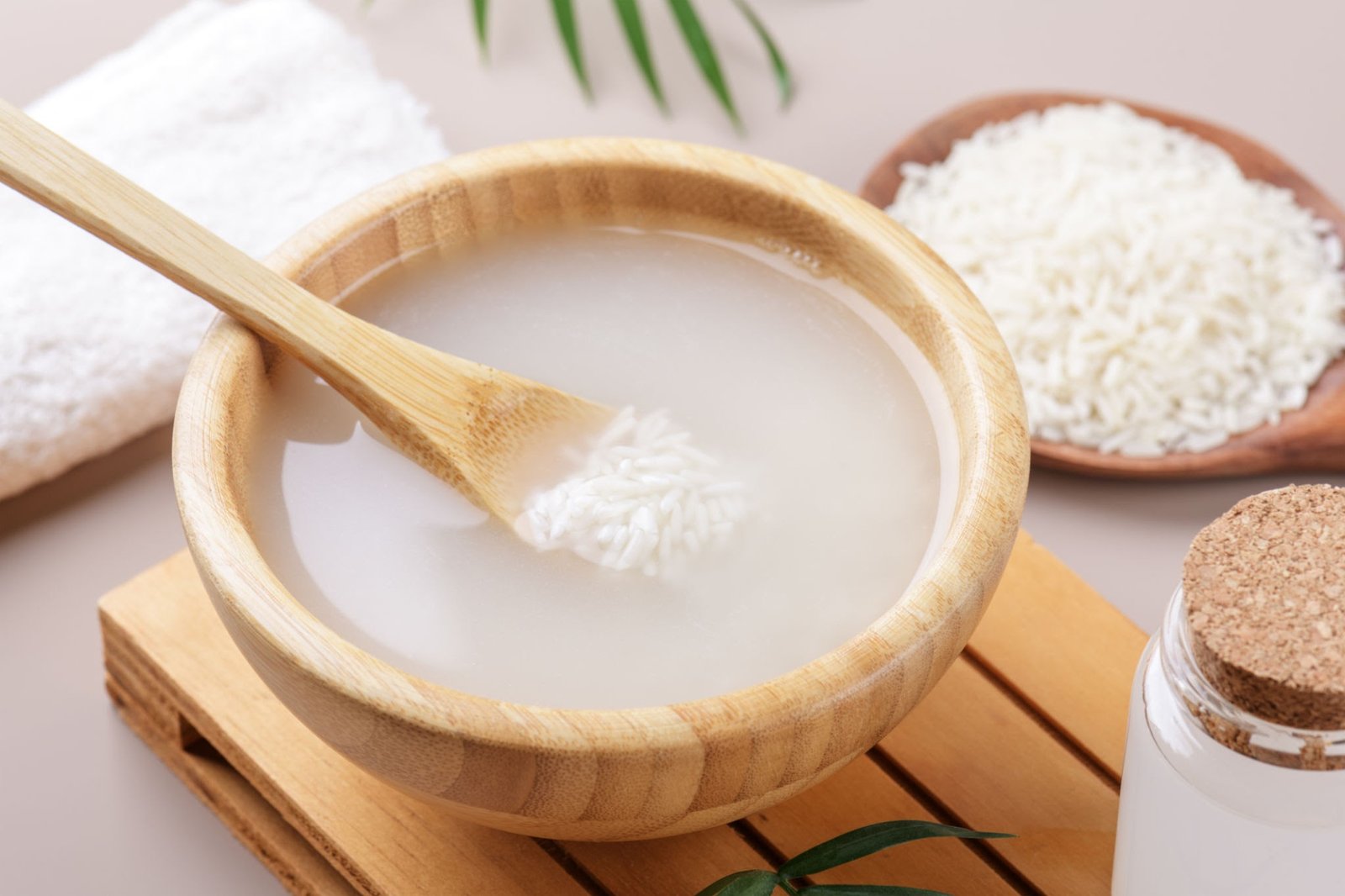
Pour 2 to 3 cups of fresh distilled or reverse-osmosis water over the cleansed rice. Using clean hands, vigorously knead and massage the grains beneath the water for 3 full minutes. You will observe the water turning from clear to a dense, milky, opaque white hue. This physical agitation liberates water-soluble starches, inositol crystals, and free amino acid chains into the water matrix.
Phase 3: The 24-Hour Controlled Fermentation
Using a fine-mesh stainless steel strainer, separate the milky liquid from the rice grains, pouring the water into an airtight glass mason jar. To regulate the aroma and introduce bio-compatible citric acids, add a fresh slice of organic grapefruit peel or orange peel into the jar. Seal the lid tightly and place the jar in a warm, dark kitchen cabinet away from direct sunlight for 18 to 24 hours. When ready, the liquid will emit a mildly sweet, subtly sour fragrance.
Phase 4: The 60-Second Thermal Arrest (Critical Step)
Almost all viral social media tutorials miss this essential scientific step: allowing rice water to ferment indefinitely creates wild bacteria and fungus that disrupt scalp health. Pour the fermented liquid into a small stainless steel saucepan and bring it to a rolling boil over medium-high heat for 60 seconds. Boiling immediately halts yeast fermentation, pasteurizes the solution, and stabilizes the active inositol concentration. Remove from heat and allow it to cool to room temperature.
Phase 5: Customized Dilution and Essential Oil Infusion
Never apply concentrated fermented rice water directly to your hair! In a continuous misting spray bottle, blend 1 part cooled fermented rice water with 1 to 2 parts distilled water. If you manage a dry scalp, add 3 drops of pure therapeutic rosemary essential oil or lavender oil to stimulate hair follicle circulation and provide a clean botanical scent.
5. How to Apply Rice Water to Your Hair for Maximum Growth
To ensure inositol binds to your keratin fibers without accumulating into a stiff, gummy film, follow this exact in-shower application sequence:
Step 1: Scalp Cleansing: Wash your scalp thoroughly with a gentle sulfate-free cleanser. You must eliminate surface sebum and styling silicones so that your cuticle scales are receptive to the rice water peptides. Rinse thoroughly with warm water.
Step 2: Microfiber Blot: Gently squeeze dripping water from your strands using a soft microfiber towel until your hair is damp but not running with water.
Step 3: Zoned Scalp & Length Saturation: Section your damp hair into 4 quadrants. Generously spritz the diluted rice water directly onto your exposed scalp dermis, using your fingertips to massage in circular motions for 3 minutes to stimulate blood flow. Then, mist the remaining solution evenly down your lengths, paying close attention to your ends.
Step 4: The 15-Minute Steam Trap: Gather your saturated hair and slip on a clean plastic shower cap. The enclosed body heat from your scalp creates a humid micro-climate that expands hair cuticles, allowing inositol molecules to migrate deep into the inner cortex. Leave on for 15 to 20 minutes maximum.
Step 5: Cool Rinse and Moisture Balance: Rinse your hair thoroughly with cool water for 2 minutes to flush away loose surface starches. Follow immediately with a lightweight, silicone-free botanical conditioner or your preferred moisture layer. Once your hair is dry, you can seal the cuticle finish with 1 drop of finishing serum following our guide on how to apply hair serum correctly.
Interactive In-Shower Checklist: Track Your Steps
6. Warning: How to Recognize & Reverse Protein Overload
While rice water delivers transformative tensile strength, too much of a good thing can compromise fiber health. Because rice water is rich in plant proteins and starch complexes, using it too frequently disrupts your hair’s critical Protein-to-Moisture Balance.
Diagnostic Factor
Healthy Rice Water Resiliency
Protein Overload Warning Signs
Immediate Corrective Remedy
Strand Elasticity
Wet hair stretches gently by 20% to 30% and bounces back without snapping.
Hair has zero stretch; feels rigid, straw-like, and snaps instantly when pulled.
Halt all rice water usage for 6 weeks. Perform weekly warm deep conditioning masks with pure aloe vera.
Fiber Texture
Strands feel smooth, silky, glossy, and pliable under light touch.
Strands feel gritty, rough, dry, and tangled like dry grass.
Clarify hair with a gentle chelating shampoo to dissolve crystalline starch surface buildup.
Curl Clump Integrity
Natural spiral curls clump cleanly with spring and definition.
Curls look stringy, frizzy, dull, and resist moisture absorption.
Apply high-slip botanical stylers such as our pure homemade flaxseed gel to replenish polysaccharide hydration.
7. Integrating Rice Water into a Textured & Curly Hair Routine
Textured hair types (Andre Walker Type 2 to Type 4) are inherently more vulnerable to cuticle dehydration than straight hair types. If you follow our dedicated hair care routine for curly hair, treat rice water as an occasional protein-reconstructing treatment rather than a daily hydrator:
For Type 2 Waves: Limit rice water treatments to once a month. Fine waves easily collapse under heavy starch films, resulting in flat, lifeless crown roots.
For Type 3 Curls: Apply every 3 weeks. Always follow the rice water rinse with an emollient curl cream using the “praying hands” technique to prevent mid-shaft frizz expansion.
For Type 4 Coils: Because coily hair experiences high shrinkage and delicate disulfide bonds, never use rice water without adding 1 teaspoon of pure cold-pressed jojoba or argan oil to your dilution bottle to protect the fiber sheath.
8. Frequently Asked Questions
Can rice water cause hair breakage or protein overload?
Yes. Rice water contains high concentrations of hydrolyzed amino acids and starch polymers. If used too frequently—especially on low-porosity or protein-sensitive hair—these proteins accumulate along the cuticle shaft, hardening the fiber and causing brittle mechanical breakage. Limit use to once every 2 to 3 weeks.
How long should you leave rice water in your hair?
The optimal contact time is between 15 to 20 minutes under a shower cap. Leaving raw fermented rice water in hair overnight is strongly discouraged, as unchecked fermentation alters scalp microbiome acidity, potentially causing fungal yeast overgrowth and severe flaking.
Do I shampoo after or before using rice water?
Always shampoo your hair BEFORE applying rice water. Cleansing removes sebum, particulate dirt, and styling silicones, leaving cuticles receptive to inositol absorption. After rinsing out rice water with cool water, follow with a lightweight moisturizing rinse-out conditioner to balance fiber elasticity.
Can I store fermented rice water in the refrigerator?
Yes. Once boiled and cooled, store fermented rice water in a clean glass container in the refrigerator for up to 5 to 7 days. Cold temperatures halt microbial fermentation and soothe inflamed scalps upon application.