Home›Hair Care›Follicular Lipid Dilution: Dilute Castor Oil for Hair Growth Without Clogging Pores
🔬 Ingredient & Formulation Research Verified📚 Peer-Reviewed Literature Backed✓ Updated for November 2026
Cold-pressed castor oil (Ricinus communis) is celebrated worldwide for supporting thicker edges and fuller hair density, yet thousands of people abandon it after one messy wash because applying pure, undiluted castor oil straight to the scalp glues hair strands together, triggers heavy shower shedding from friction, and clogs follicular openings. Composed of nearly 90% viscous ricinoleic acid, pure castor oil has a thick, honey-like consistency that resists spreading and requires three harsh shampoo washes to remove.
Unlocking the follicular circulation benefits of ricinoleic acid without suffocating pores or matting fine hair requires reducing its viscosity by 75%: compounding a 1:3 dilution (1 part cold-pressed castor oil to 3 parts 100% sugarcane squalane or golden jojoba oil) and removing it effortlessly using the conditioner-first emulsification method.
The Gold-Standard 1:3 Ratio: Mix 1 tbsp (15 ml) cold-pressed castor oil with 3 tbsp (45 ml) 100% sugarcane squalane or jojoba oil + 6 drops rosemary essential oil.
Conditioner-First Washout Trick: Apply conditioner to oiled dry hair 2 minutes before stepping into water—it emulsifies the oil so 1 gentle shampoo removes everything cleanly.
Safety Rule: Always patch-test behind the ear for 24 hours first, apply strictly 10–15 drops to your scalp, and rinse out after 45–90 minutes if prone to dandruff.
📊 Clinical Lipid Viscosity & Dilution Benchmarks (Boldskys Research Reference)
1 : 3 Ratio25% Castor Oil + 75% Squalane/Jojoba to cut heavy viscosity without losing potency
10–15 DropsMaximum scalp dose per session (never drench hair shafts in heavy grease)
45–90 MinsOptimal pre-wash dwell window for follicular absorption without yeast buildup
Immediate Formula: How to Dilute Castor Oil for Hair Growth Without Clogging Pores
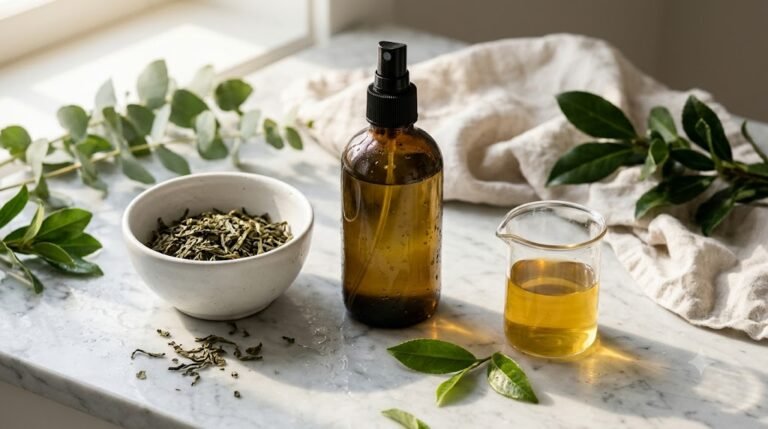
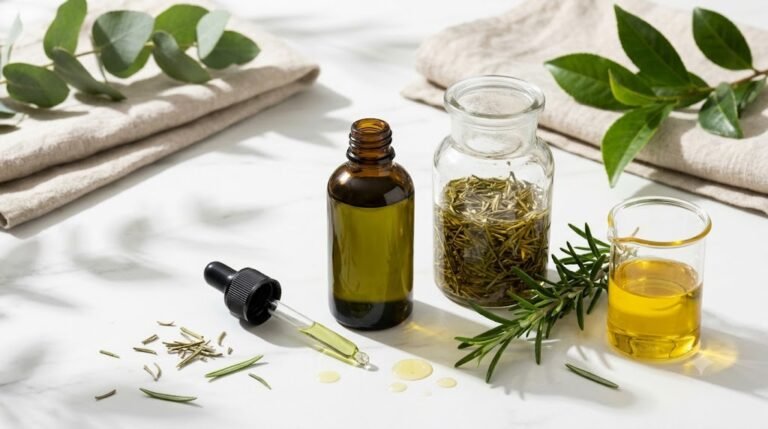
To formulate a non-comedogenic castor oil hair growth blend: Combine 1 tablespoon (15 ml) of organic cold-pressed castor oil with 3 tablespoons (45 ml) of 100% sugarcane squalane or golden jojoba oil (a 1:3 ratio) inside a sanitized 2-oz (60 ml) amber glass dropper bottle, and add 6 drops of pure rosemary essential oil. Apply strictly 10 to 15 drops onto your dry scalp and hairline, massage gently for 3 minutes, wait 45 to 90 minutes, and emulsify with lightweight conditioner before shampooing once.
✦ Ingredient Research Brief (Google AI Overview & PAA Reference)
Why did pure undiluted castor oil make my hair fall out in the shower?
Pure castor oil contains 90% viscous ricinoleic acid, giving it a sticky, honey-like drag. Massaging undiluted castor oil into roots glues resting telogen hairs together, causes mechanical friction snapping, and forces 3 harsh shampoo washes to remove the residue.
What is the best carrier oil to mix with castor oil for fine or oily hair?
100% sugarcane-derived squalane oil or cold-pressed grapeseed oil are the lightest choices for fine hair or oily scalps because they feature ultra-low molecular weight, zero comedogenic pore-clogging risk, and do not feed Malassezia dandruff yeast.
How do you wash thick castor oil out of hair easily without 3 shampoos?
Use the ‘conditioner-first emulsification trick’: smooth a lightweight, silicone-free conditioner over your oiled dry hair 2 minutes before adding water. The emulsifiers bind to the castor oil so warm water flushes it away cleanly in one gentle shampoo wash.
Can I mix castor oil with coconut oil for hair growth?
Raw coconut oil ranks high on the comedogenic scale (4 out of 5) and solidifies below 76°F (24°C), which can clog scalp pores and trap flakes. Jojoba oil or 100% sugarcane squalane are far cleaner, pore-safe carriers.
Understanding why diluting castor oil transforms it from a heavy, pore-clogging paste into a high-performing follicular treatment requires examining its unique fatty acid chemistry:
90% Hydroxylated Ricinoleic Acid Viscosity: As documented in cosmetic lipid chemistry studies indexed on PubMed, cold-pressed castor oil is composed of nearly 90% ricinoleic acid—an omega-9 fatty acid containing an extra hydroxyl (-OH) group that forms strong hydrogen bonds between oil molecules. While ricinoleic acid supports scalp micro-circulation and moisture retention, its extreme viscosity makes pure castor oil 20 times thicker than jojoba oil, trapping dead skin cells and sebum inside follicular openings.
Why Biomimetic Squalane & Jojoba Unlock Penetration: Blending 1 part castor oil with 3 parts 100% sugarcane squalane (which mimics human skin sebum) or golden jojoba oil (a liquid wax ester) breaks up hydrogen-bond drag, allowing the blend to glide effortlessly along scalp partings with just 10 drops.
Lipid Viscosity Physics: Undiluted Castor Drag vs. 1:3 Squalane-Jojoba Dilution
Select your scalp type and hair thickness to compute your exact US/UK/Metric compounding formula and annual savings compared to $58 luxury rosemary-castor scalp oils bought every 6 weeks ($495/year):
Build Your Weekly Scalp Oiling & Effortless Washout Routine
Select your hair wash frequency to generate a step-by-step pre-wash oiling and water-based tonic schedule:
5. How Do You Dilute and Wash Out Castor Oil Properly? (5-Stage Protocol)
Compound the 1:3 Squalane or Jojoba Blend: Pour 1 tablespoon (15 ml) of organic cold-pressed castor oil and 3 tablespoons (45 ml) of 100% sugarcane squalane or golden jojoba oil into a sanitized 2-oz (60 ml) amber glass dropper bottle, adding 6 drops of rosemary essential oil (1% safe dilution).
24-Hour Behind-the-Ear Patch Test: Always test 1 drop behind your ear and wait 24 hours before full scalp application to confirm zero sensitivity.
Micro-Dosed 10-to-15 Drop Scalp Parting Application: Part dry hair cleanly and place strictly 10 to 15 drops total along your hairline and crown—never saturate hair lengths in heavy oil. Massage gently with flat finger pads (never fingernails) for 3 minutes.
45-to-90 Minute Pre-Wash Absorption Window: Let the blend nourish scalp follicles for 45 to 90 minutes before showering.
Conditioner-First Emulsification Washout: Before turning on the water, smooth 1 tablespoon of lightweight, silicone-free conditioner over your oiled dry roots for 2 minutes. The emulsifiers break down the castor oil so warm water rinses it away effortlessly in a single gentle shampoo wash.
“Never put 100% undiluted castor oil straight on your scalp—dilute it 1:3 with squalane or jojoba oil, and apply conditioner to dry hair before water so it washes out in one gentle shampoo.”
How do you dilute castor oil for hair growth without clogging pores?
Dilute 1 part cold-pressed castor oil (1 tablespoon / 15 ml) with 3 parts lightweight, non-comedogenic carrier oil such as 100% sugarcane squalane or golden jojoba oil (3 tablespoons / 45 ml), plus 6 drops of rosemary essential oil. Apply strictly 10 to 15 drops to your scalp for 45 to 90 minutes before washing.
Why did pure undiluted castor oil make my hair fall out in the shower?
Pure castor oil consists of 90% viscous ricinoleic acid, which has a sticky, honey-like texture. Applying it undiluted glues fragile telogen hairs together, causes mechanical friction breakage during massage, and forces you to scrub aggressively with multiple shampoo washes to remove the heavy grease.
What is the best carrier oil to mix with castor oil for fine or oily hair?
100% sugarcane-derived squalane oil or cold-pressed grapeseed oil are the lightest choices for fine hair or oily scalps because they have ultra-low molecular weight, zero comedogenic pore-clogging risk, and do not feed Malassezia dandruff yeast.
How do you wash thick castor oil out of hair easily without 3 shampoos?
Use the ‘conditioner-first emulsification trick’: apply a silicone-free conditioner onto your oiled dry hair 2 minutes before stepping under water. The emulsifiers in conditioner bind to the castor oil so warm water flushes it out effortlessly in a single gentle shampoo wash.
Which is better for hair growth: Cold-Pressed Castor Oil or Jamaican Black Castor Oil?
Cold-pressed castor oil is extracted without heat, preserving pure pale-gold ricinoleic acid with a neutral pH (~6.0), making it safer for sensitive scalps. Jamaican Black Castor Oil (JBCO) is roasted with ash, giving it a slightly alkaline pH (~8.0) and smoky scent—both must be diluted 1:3 before scalp use.
Can I leave diluted castor oil on my scalp overnight?
If you have a dry, non-flaky scalp and use the lightweight 1:3 squalane dilution sparingly (10 drops), leaving it overnight is generally tolerated. However, if you are prone to dandruff, seborrheic dermatitis, or scalp acne, limit application to 45–90 minutes pre-wash.
How does ricinoleic acid in castor oil support hair follicle health?
Ricinoleic acid is a unique omega-9 hydroxylated fatty acid that supports local scalp micro-circulation, balances prostaglandin D2/E2 pathways around dermal papilla follicles, and locks moisture into dry scalp skin when properly diluted.
Can I mix castor oil with coconut oil for hair growth?
While coconut oil penetrates the hair shaft well, it ranks high on the comedogenic scale (4 out of 5) and solidifies below 76°F (24°C), which can clog scalp pores and worsen flaking. Jojoba oil or 100% squalane are far superior pore-safe carriers.
How often should you apply diluted castor oil to your scalp?
Apply your 1:3 diluted castor oil scalp blend 1 to 2 times per week as a pre-wash treatment. Over-oiling the scalp daily leads to buildup and requires frequent harsh washing.
How long does it take to see baby hairs from diluted castor oil and rosemary?
Most users notice softer, less flaky scalp skin and shinier roots within 2 weeks, while visible new baby hairs along sparse temple edges typically emerge after 6 to 8 weeks of consistent weekly application.
B
Researched & Curated By
Boldskys Beauty & Ingredient Research Desk
Our editorial team synthesizes publicly available peer-reviewed dermatological studies, cosmetic formulation data, and ingredient safety literature into practical, easy-to-follow beauty guides. We are an independent beauty research publication—not a medical clinic—and always recommend performing a 24-hour patch test behind the ear before applying essential oils or botanical oil blends to your scalp.
Editorial & Safety Disclaimer: The botanical oil dilution formulas and scalp care routines published on Boldskys are for educational, cosmetic, and informational purposes only and do not constitute medical advice. Always dilute essential oils properly, perform a 24-hour patch test behind the ear before full application, and consult a licensed dermatologist or trichologist for persistent scalp conditions.