How to Apply Hair Serum Correctly: Step-by-Step Trichologist Guide
Hair serum is celebrated across the professional hair care industry as the ultimate liquid elixir for achieving glass-like shine, eliminating microscopic frizz, and shielding delicate keratin strands against extreme thermal styling. Yet, for millions of individuals, applying hair serum yields the exact opposite of salon perfection: strands clump into greasy, limp ribbons, roots look unwashed within hours, or mid-shaft fibers remain obstinately dry and brittle.
Quick Summary: How to Apply Hair Serum in 30 Seconds
To apply hair serum correctly: Dispense 1 to 2 drops onto your palm and rub hands together for 6 seconds to warm and thin the product. Smooth evenly through 70% damp, towel-dried hair starting strictly at the bottom ends and working upward to mid-lengths using a flat “praying hands” motion. Never massage cosmetic finishing serum into your scalp roots, as occlusive polymers will clog hair follicles.
The root problem rarely lies in the product formulation itself. Rather, it stems from a fundamental misunderstanding of the physiological boundary between the hair follicle and the hair fiber shaft. Unlike deep penetrating natural lipids, hair serum is primarily a surface-level liquid shield. Applying it improperly disrupts the cuticle matrix, suffocates porosity balance, and traps airborne impurities.
Whether you manage fine, easily weighed-down waves, thick straight strands, or springy corkscrew loops, mastering how to apply hair serum requires an exacting, trichology-aligned methodology. This comprehensive master guide demystifies the molecular mechanics of hair serum, presents a structured 5-step application protocol, provides an exact dosage chart by hair density, and addresses the damp versus dry hair application debate once and for all.
1. The Trichology of Hair Serum: Silicones, Botanicals, and Cuticle Physics
To use hair serum with surgical precision, one must first appreciate how it functions along the hair shaft at the cellular scale. Hair fibers are composed of three concentric morphological layers: the innermost medulla, the protein-dense structural cortex, and the outermost protective cuticle.
The cuticle consists of 6 to 10 overlapping layers of flat, scale-like dead keratin cells fastened together by the cell membrane complex (CMC), a lipid-rich intercellular cement composed of 18-methyleicosanoic acid (18-MEA). When hair undergoes washing, towel friction, mechanical combing, or chemical dyeing, this 18-MEA lipid layer is stripped away, causing cuticle scales to lift, crack, and flare outwards.
The Anti-Frizz Mechanism: Lifted cuticles expose the porous inner cortex to surrounding atmospheric humidity. Gaseous water molecules seep inside, breaking natural hydrogen bonds and causing the hair strand to swell uncontrollably. A quality hair serum deposits a microscopically thin, hydrophobic barrier across lifted scales, smoothing them flush against the cortex and locking atmospheric moisture out.
Thermal Protection Dynamics: Premium serums contain specialized heat-dissipating polymers (such as dimethiconol or botanical esters) that distribute direct thermal energy from curling wands and flat irons evenly, preventing keratin denaturation up to 450°F (232°C).
The Refraction of Light: Cuticles lying flat and uniformly sealed create an uninterrupted mirror plane. Light beams bounce off the surface symmetrically, producing that highly sought-after, multidimensional glass shine.
The Crucial Difference: Hair Serum vs. Hair Oil
Traditional plant oils (like virgin coconut or babassu oil) are rich in small-chain fatty acids that penetrate past the cuticle into the deep cortex to nourish the protein matrix from within. In contrast, hair serum is a cosmetic surface finisher designed to coat the exterior cuticle, impart slip, neutralize static electricity, and repel humidity. Serum acts as your raincoat; oil acts as your internal hydration drink.
2. Damp Hair vs. Dry Hair: When Is the Ideal Application Window?
The ongoing debate among beauty enthusiasts centers around a singular question: should hair serum be applied to soaking-wet, damp, or bone-dry hair? From a trichological standpoint, timing determines whether your serum behaves as an intensive hydrator or a simple superficial polisher.
Application Stage
Optimal Hair Condition
Biological Mechanism
Target Outcome
Primary Risk if Mismanaged
The Golden Window: Damp Application
60%–70% towel-dried (dripping water removed).
Cuticle scales remain slightly expanded from warm water; serum binds with residual moisture to trap hydration before cuticles seal completely.
Maximum detangling slip, long-lasting anti-frizz control, and heat-styling protection.
Dilution of the formula if hair is dripping wet, causing the product to slide off into the drain.
The Finishing Polish: Dry Application
100% bone-dry, post-styling or air-drying.
Serum sits purely on the outer perimeter of closed cuticles, reflecting incident light and neutralizing static friction charges.
Glass hair sheen, flyaway control, and separation of curled ends.
Clumping, heavy grease accumulation, and limp roots if an excessive dosage is used.
The Professional Consensus: Always prioritize damp hair application as your primary treatment step. Reserve dry application exclusively as an optional second step using a solitary micro-drop rubbed thoroughly between warm palms to tame stubborn flyaways along your parting.
3. The Precision Dosage Guide: Exactly How Much Serum Do You Need?
The most catastrophic mistake in hair serum application is overdosing. Because high-performance serums contain concentrated polymers and botanical oils, a difference of just two drops can transform voluminous, bouncy hair into an oily, weighed-down disaster. Use this dosage blueprint adjusted for your density and length:
Hair Length
Fine / Thin Texture
Medium / Wavy Texture
Thick / Curly / Coily Texture
Short (Above Shoulders)
1/2 drop (barely a bead)
1 drop
1 to 2 drops
Medium (Collarbone Length)
1 drop
1 to 2 drops
2 to 3 drops
Long (Mid-Back and Beyond)
1.5 to 2 drops
2 to 3 drops
3 to 4 drops (partitioned)
4. Step-by-Step Protocol: How to Apply Hair Serum Like a Master Stylist
Follow this exact 5-step sequence immediately after washing your hair to maximize strand definition, softness, and reflective gloss:
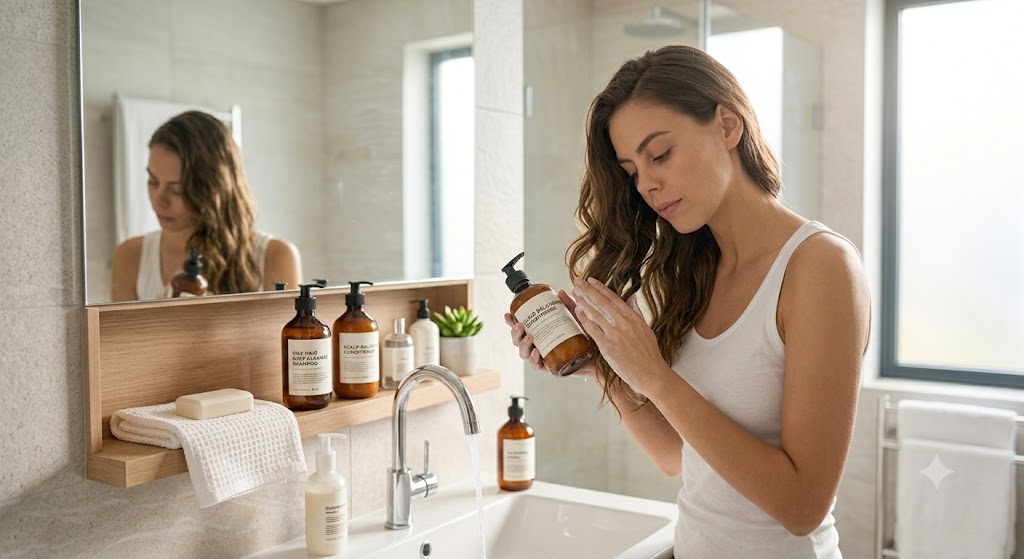
Never apply hair serum to dripping-wet hair straight out of the shower spray. Saturated hair strands cannot absorb or bond with serum lipids; the product will simply slide off with running water droplets. Instead, gently squeeze excess moisture using a lint-free microfiber towel or a soft cotton t-shirt. Press the fabric against your strands without rubbing or twisting. Your hair should feel cool and damp, but no water should drip when compressed.
Step 2: Warm and Emulsify Between Your Palms
Dispense your precise dosage onto the hollow of your palm. Do not immediately clap your hands onto your head! Rub your palms together vigorously for 5 to 7 seconds, extending the product up through your fingers. This mechanical friction warms the serum, lowering its viscosity and ensuring it spreads across your strands as an ultra-thin, uniform veil rather than a heavy, concentrated clump.
Step 3: Target the Ends First (The Oldest, Driest Fibers)
The ends of your hair have experienced months or years of environmental oxidation, mechanical brushing, and heat. Consequently, they possess the highest concentration of fractured cuticles. Begin by cupping your palms around the bottom 2 to 3 inches of your hair lengths. Gently squeeze and press the serum into the tips, allowing the dry keratin fibers to drink in the emollient matrix.
Step 4: Glide Through Mid-Lengths Using the “Praying Hands” Technique
Once 70% of the serum is safely deposited onto the ends, take the remaining residue on your fingers and glide it through your mid-lengths. Position sections of hair flat between your palms and smooth downward from the ear-line to the tips. This “praying hands” motion mechanically seals lifted cuticles down along the hair shaft without causing tangling or friction fuzz.
Step 5: Distribute with a Wide-Tooth Acetate Comb
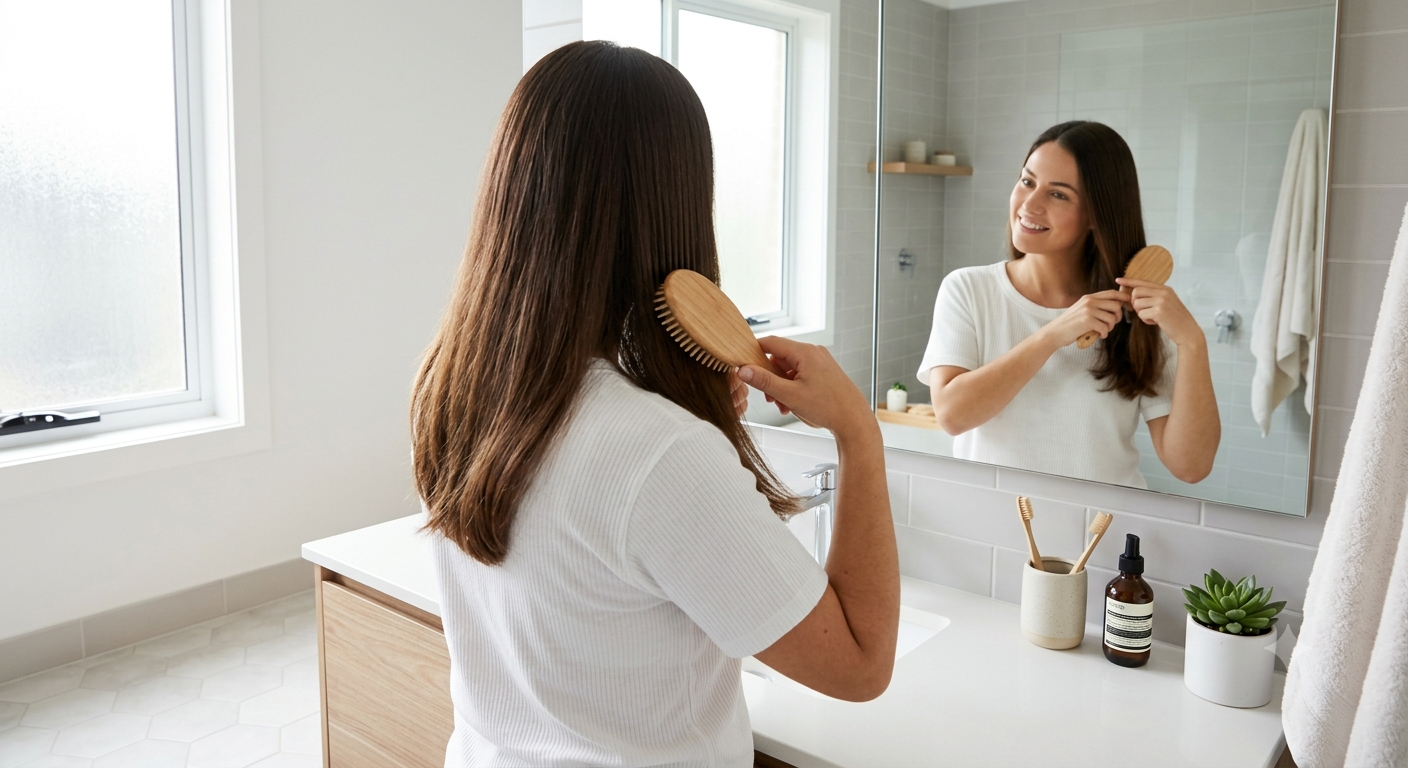
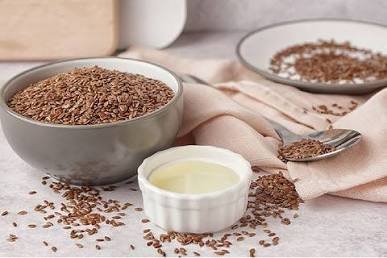
To eliminate product hot-spots and ensure every single strand receives micro-coverage, run a seamless wide-tooth comb or your fingers gently through your damp hair. For those with textured curls and waves, this is the prime moment to pair your serum with our signature homemade flaxseed gel to create a flexible, humidity-defying curl cast.
The Cardinal Rule of Hair Serum: Never apply finishing hair serum directly onto your scalp roots! Unless a serum is specifically formulated and labeled as a trichological scalp-growth treatment (such as a peptide or rosemary water root serum), cosmetic finishing serums contain occlusive conditioning agents. Applying them to the living scalp dermis coats pores, interferes with natural sebum respiration, and causes rapid root flattening.
5. Tailoring Your Serum Routine to Specific Hair Types
Different hair textures possess vastly different cellular architectures, requiring distinct formulation pairings:
A. Fine, Straight, or Low-Porosity Hair
Fine strands have a narrow diameter and an easily overwhelmed cortex. Heavy silicone complexes (like pure dimethicone) will quickly weigh these strands down, creating an oily, stringy appearance. Look for dry-touch, volatile silicones (such as cyclomethicone or cyclopentasiloxane) or ultralight botanical lipid carriers like squalane and camellia seed oil.
B. Thick, Coarse, or Chemically Treated Hair
Coarse hair features a wide diameter and often lacks sufficient lipid lubrication, making it stiff and rough to the touch. These strands thrive under rich, viscous serums containing argan oil, hydrolyzed silk amino acids, and dimethiconol to impart heavy slip and restorative suppleness.
C. Type 2 Waves, Type 3 Curls, and Type 4 Coils
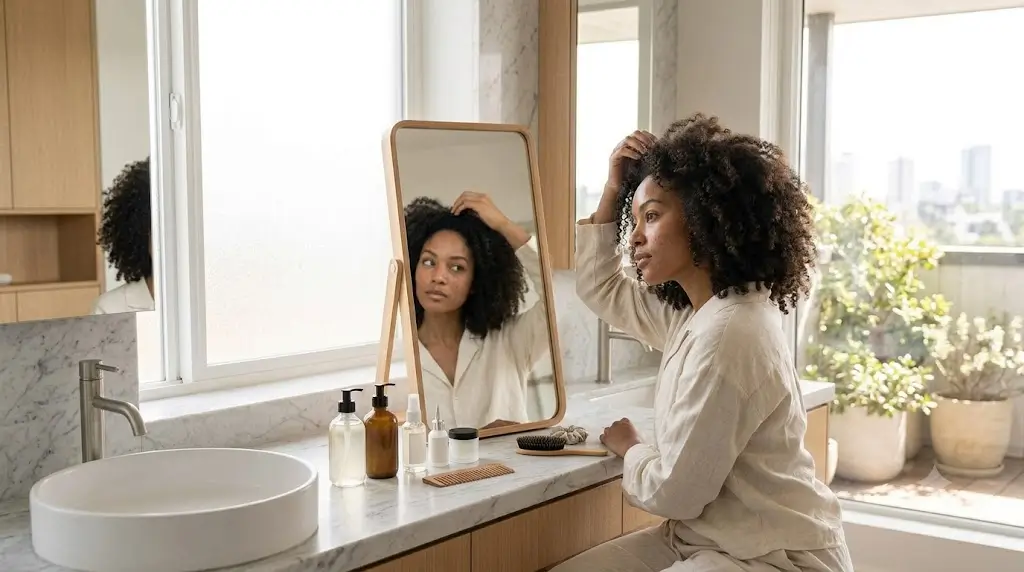
Textured hair requires intense anti-humidity defenses to stop curl clumping from disintegrating into frizz. For complete curl care steps, integrating this application method into our structured hair care routine for curly hair ensures your natural ringlets stay defined for days without crispiness.
D. Severely Tangled and Knotted Hair
If your hair knots easily post-wash, applying serum prior to combing reduces detangling friction by over 60%. To master the physical mechanics of knot removal without pulling hair from the root, reference our detailed tutorial on how to detangle hair safely.
6. 5 Fatal Hair Serum Mistakes to Eliminate Immediately
Applying Serum to Bone-Dry Hair When Frizzy: When hair has already puffed up from humidity, applying a silicone serum over dry strands merely traps the swelling underneath, creating an uneven, waxy texture. Always hydrate hair with water or a leave-in mist before using serum to lock it down.
Failing to Cleanse Clarifying Buildup: Silicones are water-resistant by design. If you use silicone-based serums regularly, washing only with gentle co-washes will eventually cause product layering. Incorporate a gentle clarifying wash or an apple cider vinegar rinse once every 3 weeks to hit the reset button on your cuticles.
Using Serum as a Direct Heat Protectant Without Label Verification: Not all serums are heat protectants! While silicones possess heat resistance, serums containing high concentrations of raw, unrefined plant oils (like olive or flaxseed oil) can sizzle under 400°F flat irons, effectively baking the hair cuticle. Ensure your serum bottle explicitly states thermal protection thresholds.
Rubbing Hair Aggressively During Application: Vigorously rubbing serum back and forth between hair clumps creates severe mechanical friction, breaking delicate strands and inducing instant micro-breakage. Always use smooth, downward gliding motions.
Using Too Many Layered Heavy Products: Stacking a heavy leave-in cream, followed by pure castor oil, followed by an occlusive serum suffocates hair. Choose lightweight layering formulas based on your hair porosity.
7. Curated Botanical Compendium for Serum Formulations
When curating luxury serums for your vanity or evaluating cosmetic ingredient decks, look for these evidence-backed botanical extracts:
Cold-Pressed Marula Oil (Sclerocarya birrea): Rich in oleic acid and natural flavonoids, marula oil absorbs rapidly without leaving a greasy sheen, delivering deep cellular hydration and antioxidant defense against UV radiation.
Camellia Seed Oil (Camellia japonica): Treasured for centuries in East Asian hair rituals, camellia oil possesses a high molecular percentage of squalene, restoring elasticity to brittle hair tips.
Broccoli Seed Oil (Brassica oleracea): Known throughout green chemistry as “nature’s silicone,” broccoli seed oil features a unique erucic acid fatty acid profile that provides high gloss, slippery glide, and anti-static control without synthetic plastic buildup.
Hydrolyzed Keratin & Silk Peptides: Micro-protein fragments that temporarily settle inside microscopic cuticle fractures, smoothing the outer hair shaft until your next wash day.
8. Frequently Asked Questions
Should you apply hair serum to wet or dry hair?
For maximum hydration and anti-frizz efficacy, apply hair serum to damp, towel-dried hair immediately after washing. Applying on damp strands allows the serum to lock in water molecules within the cortex before the cuticle scales seal. However, 1 to 2 micro-drops can be applied to 100% dry hair strictly as a finishing touch to tame static flyaways and add a glass-like shine.
Can I use hair serum every single day?
Hair serum should not be applied daily unless you are washing your hair daily or using a weightless, silicone-free botanical formula. Applying silicone-based hair serums daily without intermittent cleansing causes occlusive residue buildup, suffocating hair shafts and attracting airborne dust.
Do I put hair serum on before or after hair oil?
Always apply hair serum BEFORE pure sealing oils if your serum is water- or aloe-based, as dense plant oils create a lipid barrier that lighter water-soluble formulations cannot penetrate. If you follow the LOC method, serum acts as your hydrating primer prior to heavy lipid sealants.
Does applying hair serum on the scalp cause hair loss?
Yes, applying regular length-finishing serums directly to the scalp can clog hair follicles. Finishing serums are formulated with conditioning silicones and polymers meant for dead fiber lengths, not the living dermis. When rubbed into the scalp, they combine with dead skin cells and sebum, leading to folliculitis and secondary shedding. Only use trichologist-approved scalp serums explicitly labeled for root application.