🌿 Introduction
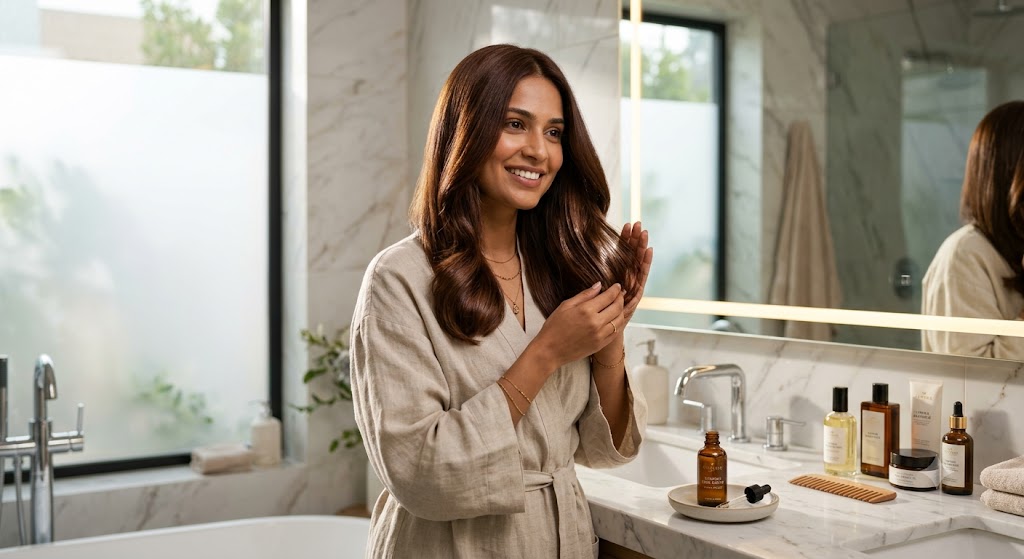
Color-treated hair can transform your appearance, boost confidence, and highlight your personal style. Whether you choose a natural shade, subtle highlights, or bold fashion colors, maintaining the health of your hair after coloring is just as important as choosing the right color.
The coloring process may affect the hair’s protective outer layer, making it more prone to dryness, roughness, and loss of moisture. Without proper care, color-treated hair may gradually lose its shine and become difficult to manage.
Fortunately, caring for color-treated hair does not have to be complicated. A consistent daily routine, combined with gentle cleansing, regular conditioning, heat protection, and healthy lifestyle habits, can help your hair remain soft, smooth, and vibrant.
In this guide, you’ll learn a complete daily hair care routine, discover common mistakes to avoid, and explore practical tips that support healthier-looking color-treated hair.
📦 Quick Answer
What is the Best Hair Care Routine for Color-Treated Hair?
A healthy hair care routine usually includes:
- Using a gentle shampoo suitable for color-treated hair
- Conditioning after every wash
- Applying a nourishing hair mask once a week
- Protecting hair from excessive heat
- Avoiding very hot water
- Limiting unnecessary sun exposure
- Eating a balanced diet
- Trimming split ends regularly
Following these habits consistently may help keep color-treated hair looking healthy, soft, and vibrant.
Table of Contents
🌿 What Is Color-Treated Hair?
Color-treated hair refers to hair that has been colored using permanent, demi-permanent, semi-permanent, or temporary hair dyes. During the coloring process, pigments are deposited or modified within the hair shaft to create the desired shade.
Depending on the coloring technique and the condition of the hair, the cuticle—the outer protective layer of the hair—may become more porous. This can make the hair lose moisture more easily and may increase dryness, tangles, or roughness if it is not cared for properly.
Every person’s hair responds differently to coloring. Hair texture, daily styling habits, environmental conditions, and aftercare all influence how color-treated hair looks and feels over time.
The American Academy of Dermatology (AAD) provides practical guidance on maintaining healthy hair and scalp care habits.
🌿 Why Does Hair Color Fade?
Hair color naturally changes over time. While gradual fading is expected, certain everyday habits may cause color to lose its vibrancy more quickly.
Some common reasons include:
- Washing hair too frequently
- Using very hot water
- Excessive sun exposure
- Swimming in chlorinated pools
- Frequent heat styling
- Harsh shampoos
- Repeated chemical treatments
Understanding these factors allows you to make simple changes that may help your color remain vibrant for longer.
📊 Table 1 – Common Causes of Hair Color Fading
| Cause | Possible Effect | Helpful Habit |
|---|---|---|
| Hot Water | Faster fading | Wash with lukewarm water |
| Frequent Washing | Reduced color longevity | Wash only when necessary |
| UV Exposure | Hair may look dull | Wear a hat outdoors |
| Heat Styling | Increased dryness | Use a heat protectant |
| Chlorine | Hair may feel rough | Rinse before and after swimming |
| Harsh Shampoo | Faster color fading | Choose a gentle shampoo |
🌿 Why Does Color-Treated Hair Need Special Care?
Hair coloring can make the outer layer of the hair more vulnerable to moisture loss and daily wear. A gentle and consistent hair care routine helps support smoother, softer, and healthier-looking hair.
Proper care may help:
- Maintain moisture
- Improve softness
- Reduce unnecessary breakage
- Support smoother-looking hair
- Help color appear vibrant for longer
Although no routine can completely prevent color fading, regular care can improve the overall appearance and manageability of color-treated hair.
💡 Master’s Professional Tip
Instead of trying multiple products every week, choose a gentle routine and follow it consistently for several weeks. Consistency often delivers better long-term results than frequently changing products.
If your hair feels dry after coloring, read our Hair Care Routine for Dry Hair guide to learn practical ways to restore moisture and improve softness.
Morning Hair Care Routine for Color-Treated Hair
A good morning routine helps prepare your hair for the day. Color-treated hair may lose moisture more easily than untreated hair, so gentle handling is important.
Following a simple morning routine every day may help your hair remain smoother, easier to manage, and healthier-looking.
Step 1 – Examine Your Hair
Before brushing or styling, spend a few moments checking your hair.
Ask yourself:
- Does your hair feel dry?
- Is it tangled?
- Does it look frizzy?
- Do the ends feel rough?
- Does your scalp feel oily?
This quick check helps you decide whether your hair needs extra moisture or only light styling.
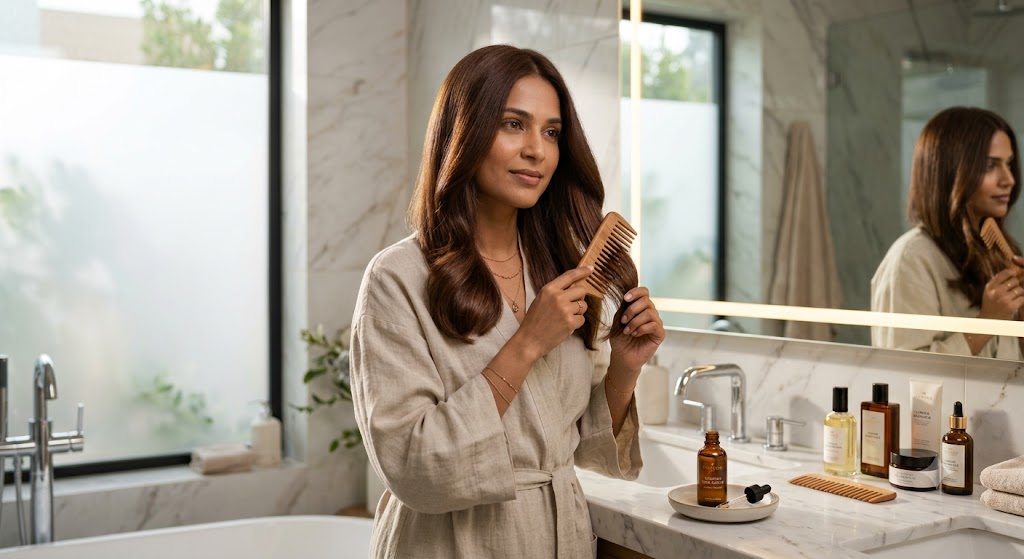
Step 2 – Detangle Hair Carefully
Never pull hard on tangled hair.
Instead:
- Start from the ends.
- Slowly work upward.
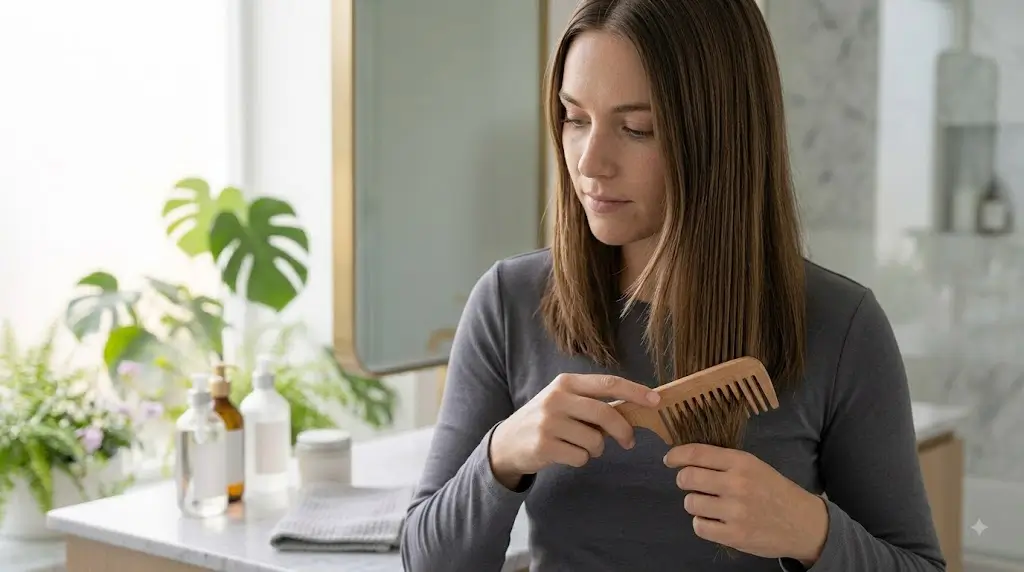
- Use a wide-tooth comb or a soft detangling brush.
- Hold the hair above the knot while combing to reduce pulling.
Gentle detangling may help reduce unnecessary breakage.
Step 3 – Apply a Leave-In Conditioner (Optional)
If your hair feels dry or difficult to manage, apply a small amount of leave-in conditioner to the mid-lengths and ends.
Avoid applying large amounts near the roots unless the product instructions recommend it.
A leave-in conditioner may help:
- Improve softness
- Reduce frizz
- Make hair easier to comb
- Add light moisture
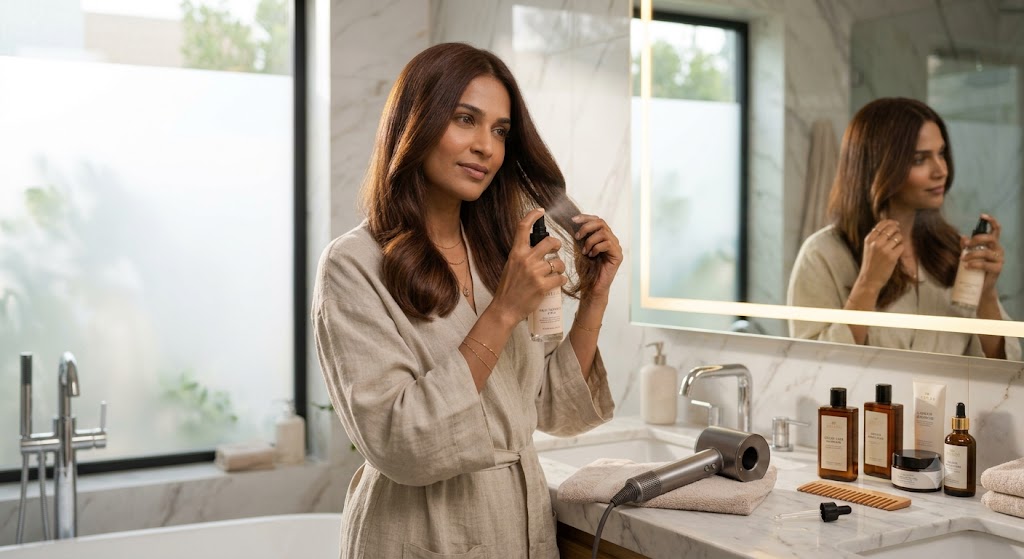
Step 4 – Protect Hair Before Heat Styling
If you plan to use a hair dryer, straightener, curling iron, or hot brush, apply a heat protectant first.
While heat protectants cannot completely prevent heat damage, they may help reduce direct heat exposure.
📊 Table 2 – Heat Styling Guide
| Styling Tool | Recommended Practice |
|---|---|
| Hair Dryer | Use low or medium heat whenever possible |
| Straightener | Avoid repeated passes over the same section |
| Curling Iron | Choose the lowest effective temperature |
| Hot Brush | Keep the tool moving continuously |
Step 5 – Protect Your Hair Outdoors
Sunlight, wind, dust, and pollution may affect the appearance of color-treated hair.
If you spend a long time outdoors:
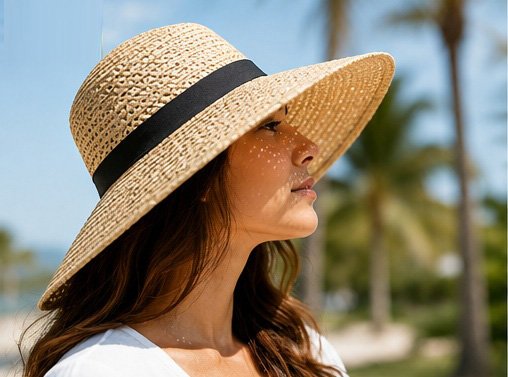
- Wear a wide-brimmed hat.
- Tie long hair loosely.
- Avoid prolonged direct sunlight whenever possible.
These simple habits may help your hair stay smoother throughout the day.
If you spend time outdoors, our guide to Scalp Sun Protection covers practical ways to protect your scalp while also caring for color-treated hair.
Step 6 – Avoid Touching Your Hair Frequently
Running your fingers through your hair repeatedly may transfer oil and dirt from your hands.
Try to avoid touching your hair unnecessarily, especially after styling.
Step 7 – Stay Hydrated
Healthy hair begins with healthy daily habits.
Drinking enough water supports overall body health and helps maintain normal hydration.
Although hydration alone will not change hair color, it contributes to overall wellness, which supports healthy hair.
Step 8 – Maintain a Consistent Routine
One of the biggest mistakes is changing products every few days.
Instead, follow the same routine consistently for several weeks before deciding whether it suits your hair.
Consistency often produces better long-term results than constantly switching products.
💡 Master’s Professional Tip
Expensive products are not always necessary.
A simple routine followed consistently is usually more effective than using many products irregularly.
Build a complete daily routine by reading our Morning Hair Care Routine guide for additional healthy hair care habits.
The American Academy of Dermatology (AAD) recommends handling hair gently and reducing unnecessary heat exposure as part of good hair care practices.
Hair Washing Routine for Color-Treated Hair
One of the biggest mistakes people make after coloring their hair is washing it the wrong way. While keeping your hair clean is important, washing too often or using harsh products may cause color to lose its vibrancy more quickly.
A gentle washing routine helps remove excess oil, sweat, and product buildup while supporting softer, healthier-looking hair.
The goal is not to wash your hair more—it is to wash it correctly.
Step 1 — Brush Before Washing
Before stepping into the shower, gently brush your hair.
This simple habit helps:
✔ Remove loose hairs
✔ Prevent tangles during washing
✔ Allow shampoo to spread more evenly
✔ Reduce breakage after washing
Always begin brushing from the ends and slowly move upward.
Step 2 — Wet Hair Using Lukewarm Water
Very hot water may strip moisture from the hair and scalp.
Instead, use lukewarm water to thoroughly wet your hair before applying shampoo.
Many professionals also recommend finishing with slightly cooler water, which may help hair appear smoother after washing.
🌍 Trusted Expert Resource
👩⚕️ Dermatologist-Recommended Hair Care Information
The American Academy of Dermatology (AAD) provides practical guidance on washing hair gently, reducing unnecessary heat exposure, and maintaining healthy hair care habits.
Step 3 — Shampoo Only the Scalp
One common mistake is applying shampoo throughout the entire length of the hair.
Instead:
- Apply shampoo mainly to the scalp.
- Massage gently using your fingertips.
- Allow the lather to flow through the hair lengths during rinsing.
This approach cleans the scalp while reducing unnecessary friction on the hair.
📊 Table 3 — Hair Washing Best Practices
| Hair Care Habit | Better Choice |
|---|---|
| Very Hot Water | Lukewarm Water |
| Daily Washing | Wash only when needed |
| Fingernails on Scalp | Fingertips Only |
| Rough Towel Drying | Soft Microfiber Towel |
| Vigorous Scrubbing | Gentle Circular Massage |
Step 4 — Rinse Thoroughly
Incomplete rinsing may leave shampoo residue behind.
Residue can make hair feel heavier and may reduce its natural shine.
Take a little extra time to rinse thoroughly before moving to the conditioning step.
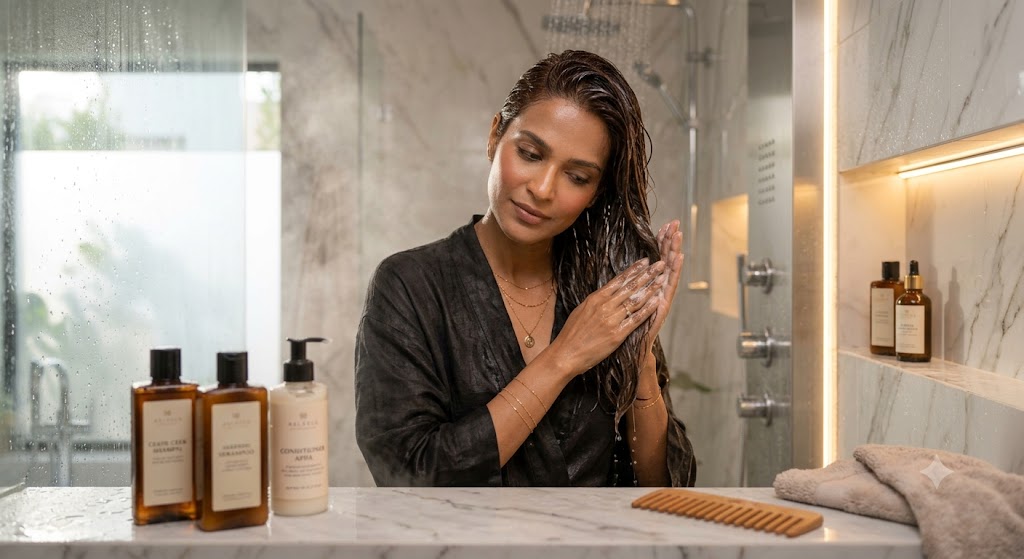
Step 5 — Apply Conditioner Correctly
Conditioner is an essential step for many people with color-treated hair.
Apply it mainly to:
- Mid-lengths
- Ends
Avoid applying excessive conditioner directly to the scalp unless the product specifically recommends it.
Leave it on for the recommended time before rinsing thoroughly.
🌟 Professional Tip
Instead of using a large amount of conditioner, apply a moderate amount evenly through the hair.
Even coverage is often more effective than using excess product.
Step 6 — Dry Hair Gently
After washing:
❌ Do not rub your hair aggressively with a towel.
Instead:
✔ Gently squeeze out excess water.
✔ Wrap your hair in a soft microfiber towel.
✔ Let it absorb moisture naturally.
This simple habit may help reduce friction and make hair easier to manage.
⭐ Expert Insight
Healthy color-treated hair is usually the result of consistent daily habits, not expensive products.
Small improvements in your washing technique can make a noticeable difference over time.
💬 Did You Know?
Many people focus only on buying premium shampoos, but how you wash your hair is often just as important as what you use.
Developing good washing habits can improve your overall hair care routine.
🔗 Related Reading
💧 Is your hair becoming dry after coloring?
Learn practical moisturizing techniques in our comprehensive guide:
Before You Continue…
✔ Are you washing your hair with lukewarm water?
✔ Do you massage your scalp gently?
✔ Are you conditioning only the mid-lengths and ends?
If you answered “No” to any of these, start with these simple improvements before changing your hair care products.
Weekly Hair Care Routine for Color-Treated Hair
Daily care is important, but a weekly routine helps provide extra attention to color-treated hair. Setting aside one day each week for deeper care can improve softness, reduce dryness, and make your hair easier to manage.
Rather than trying several new products, focus on a simple and consistent routine that matches your hair type.
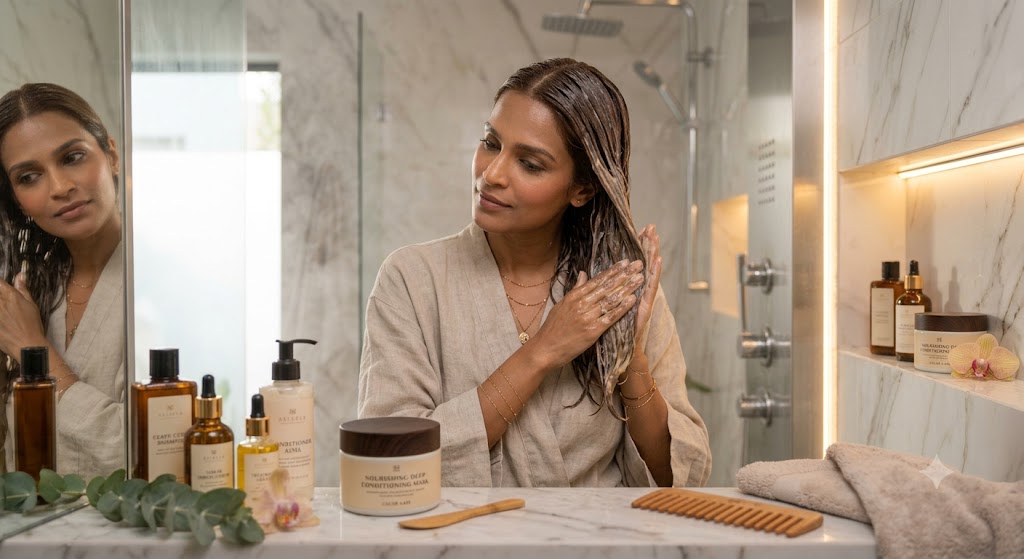
Step 1 — Deep Conditioning Treatment
A deep conditioning treatment provides additional moisture to the hair lengths and ends, which are often the driest areas after coloring.
For best results:
- Shampoo your hair gently.
- Remove excess water with a microfiber towel.
- Apply a deep conditioner from the mid-lengths to the ends.
- Leave it on according to the product instructions.
- Rinse thoroughly with lukewarm water.
Consistency is often more beneficial than using excessive amounts of product.
Step 2 — Check for Split Ends
Take a few minutes to examine the ends of your hair.
Look for:
- Split ends
- Dry tips
- Rough texture
- Increased tangles
Scheduling regular trims can help keep your hairstyle neat and reduce the appearance of damaged ends.
📊 Table 4 – Weekly Hair Care Schedule
| Day | Hair Care Routine |
|---|---|
| Monday | Gentle shampoo + conditioner |
| Tuesday | Leave-in conditioner if needed |
| Wednesday | Heat-free hairstyle |
| Thursday | Gentle shampoo + conditioner |
| Friday | Scalp massage (2–3 minutes) |
| Saturday | Deep conditioning treatment |
| Sunday | Check split ends and prepare for the week |
Step 3 — Reduce Heat Styling
Giving your hair regular breaks from heat styling may help reduce unnecessary stress on color-treated hair.
Consider trying:
- Loose braids
- Ponytails
- Natural waves
- Heat-free styling techniques
Small changes like these can help minimize repeated heat exposure.
🌍 Trusted Expert Resource
👩⚕️ Healthy Hair Care Guidance
The American Academy of Dermatology (AAD) provides practical information on protecting hair from heat and everyday damage.
🌟 Expert Insight
Healthy-looking color-treated hair is usually the result of consistent care, not frequent product changes.
Following a simple weekly plan is often more effective than trying multiple new products every few days.
☀️ Protect Your Hair from Sun Exposure
Long periods of direct sunlight may affect the appearance of color-treated hair.
If you plan to spend time outdoors:
- Wear a hat or cap.
- Use an umbrella when practical.
- Keep your hair moisturized.
- Avoid prolonged direct sunlight during the hottest part of the day when possible.
💬 Did You Know?
UV exposure may gradually affect the appearance of colored hair over time. Simple protective habits can help maintain your hair’s overall appearance.
🔗 Related Reading
🌿 Is your hair becoming rough after coloring?
Discover simple ways to improve softness and reduce breakage in our detailed guide:
👉 Hair Care Routine for Damaged Hair
📌 Weekly Self-Check
At the end of each week, ask yourself:
✔ Did I avoid washing with very hot water?
✔ Did I use conditioner after each wash?
✔ Did I limit heat styling?
✔ Did I complete one deep conditioning treatment?
✔ Did I protect my hair from prolonged sun exposure?
If you answered “Yes” to most of these questions, you’re building a consistent routine that supports healthier-looking color-treated hair.
🌙 Night Hair Care Routine for Color-Treated Hair
Just as your morning routine prepares your hair for the day, your nighttime routine helps protect it while you sleep. During the night, friction between your hair and pillowcase can contribute to tangles, dryness, and unnecessary breakage.
Spending just five minutes on your hair before bed can help you wake up with smoother, more manageable hair.
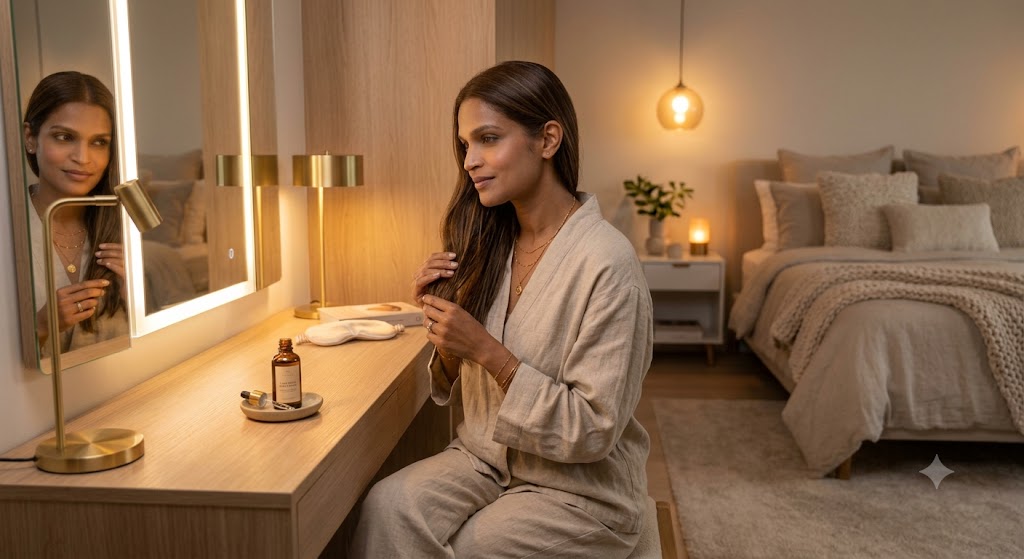
Step 1 — Detangle Before Bed
Never go to bed with tangled hair.
Before sleeping:
- Gently comb your hair using a wide-tooth comb.
- Start from the ends and work upward.
- Avoid pulling through knots.
Detangling before bed can make your morning routine easier and reduce unnecessary stress on your hair.
Step 2 — Apply a Lightweight Hair Serum (Optional)
If your hair feels dry after coloring, apply a small amount of lightweight serum to the mid-lengths and ends.
Avoid using too much product, as excess product may make the hair feel heavy.
Step 3 — Protect Your Hair While Sleeping
Simple habits can make a noticeable difference over time.
Consider:
- Sleeping on a satin or silk pillowcase if it suits your preferences.
- Tying long hair into a loose braid.
- Using a soft fabric scrunchie instead of a tight elastic band.
These steps may help reduce friction and tangling.
🌟 Expert Insight
Your nighttime routine does not need to be complicated.
A few consistent habits followed every evening are often more beneficial than using many different products.
🥗 Foods That Support Healthy Hair
Hair health is influenced by many factors, including overall nutrition. Eating a balanced diet helps provide the nutrients your body needs to support normal hair growth and maintenance.
Consider including foods such as:
- Eggs
- Fish
- Lentils
- Beans
- Leafy green vegetables
- Citrus fruits
- Nuts and seeds
- Whole grains
- Dairy products (if suitable for your diet)

📊 Table 5 – Nutrients That Support Healthy Hair
| Nutrient | Food Sources | Supports |
|---|---|---|
| Protein | Eggs, Fish, Lentils | Hair structure |
| Iron | Spinach, Lentils | Normal oxygen transport |
| Vitamin C | Oranges, Kiwi | Normal collagen formation |
| Vitamin E | Almonds, Sunflower Seeds | Cell protection from oxidative stress |
| Zinc | Pumpkin Seeds, Beans | Normal hair health |
| Omega-3 Fats | Salmon, Sardines | Overall scalp health |
💧 Don’t Forget Hydration
Water plays an important role in overall health.
While drinking water does not directly change hair color, staying hydrated supports normal body functions, which contribute to healthy hair.
Aim to drink enough fluids throughout the day based on your personal needs, activity level, and climate.
⚠️ Common Mistakes to Avoid
Many people unknowingly shorten the life of their hair color through everyday habits.
Avoid these common mistakes:
❌ Washing hair with very hot water
❌ Skipping conditioner
❌ Using excessive heat every day
❌ Brushing wet hair roughly
❌ Frequently changing hair products
❌ Ignoring split ends
❌ Sleeping with tightly tied hair
❌ Waiting too long between trims if split ends become noticeable
Making small improvements to these habits can help your routine become more effective.
📌 Quick Checklist
Before you finish your day, ask yourself:
✅ Did I avoid unnecessary heat styling today?
✅ Did I protect my hair from prolonged sun exposure?
✅ Did I keep my hair moisturized?
✅ Did I avoid over-washing?
✅ Is my nighttime routine complete?
💬 Did You Know?
Many people believe expensive products alone keep colored hair healthy.
In reality, daily habits such as gentle washing, consistent conditioning, and minimizing unnecessary heat often have a greater long-term impact than frequently buying new products.
🌿 Is frizz becoming a problem after coloring?
Our detailed guide explains simple techniques to reduce frizz and improve manageability.
👉 Hair Care Routine for Frizzy Hair
⭐ Reader Action Box
Start These 3 Habits Today
Before closing this guide, choose three simple habits to begin today:
✔ Switch to lukewarm water when washing your hair.
✔ Apply conditioner after every shampoo.
✔ Reduce heat styling to only when necessary.
Small, consistent changes often lead to better long-term results than trying to change everything at once.
⭐ Key Takeaways
If you’re short on time, remember these essential hair care habits:
- ✔ Wash your hair with lukewarm water instead of hot water.
- ✔ Choose a gentle shampoo suitable for color-treated hair.
- ✔ Use conditioner after every wash.
- ✔ Apply a nourishing hair mask once a week.
- ✔ Protect your hair before using heat styling tools.
- ✔ Limit unnecessary sun exposure.
- ✔ Follow a simple routine consistently rather than changing products frequently.
- ✔ Eat a balanced diet that supports overall hair health.
📅 Weekly Hair Care Checklist
Use this checklist every week to build healthy hair care habits.
| Habit | Mon | Tue | Wed | Thu | Fri | Sat | Sun |
|---|---|---|---|---|---|---|---|
| Gentle Shampoo | ✓ | ✓ | ✓ | ||||
| Conditioner | ✓ | ✓ | ✓ | ||||
| Heat Protection | ✓ | ✓ | ✓ | ✓ | ✓ | ||
| Deep Conditioning | ✓ | ||||||
| Scalp Massage | ✓ | ✓ | |||||
| Hydration Goal | ✓ | ✓ | ✓ | ✓ | ✓ | ✓ | ✓ |
❓ Frequently Asked Questions (FAQ)
1. How often should I wash color-treated hair?
There is no single schedule that works for everyone. The ideal frequency depends on your hair type, scalp condition, lifestyle, and personal preferences. Wash your hair when it needs cleansing while using products suitable for color-treated hair.
2. Can I use regular shampoo on color-treated hair?
Some regular shampoos may be suitable, while others may be more cleansing than necessary. Many people prefer shampoos formulated for color-treated hair because they are often designed to cleanse more gently.
3. Does hot water fade hair color?
Very hot water may contribute to dryness and may affect the appearance of color-treated hair over time. Lukewarm water is generally a gentler choice.
4. Should I use conditioner every time I wash my hair?
For many people with color-treated hair, using conditioner after shampooing helps improve softness, moisture, and manageability.
5. Is heat styling safe for color-treated hair?
Heat styling can be part of your routine, but frequent high temperatures may increase dryness. Using a heat protectant and the lowest effective heat setting is generally recommended.
6. How often should I use a hair mask?
Many people benefit from using a nourishing hair mask about once a week, although individual needs vary depending on hair type and condition.
7. Can healthy eating improve hair health?
A balanced diet supports overall health, including normal hair health. Nutrients such as protein, iron, zinc, and vitamins play important roles in maintaining healthy hair.
🌟 Expert Advice
Healthy-looking color-treated hair is rarely the result of one expensive product.
Instead, it is usually built through:
- Gentle cleansing
- Consistent conditioning
- Weekly deep care
- Heat protection
- Healthy daily habits
Small improvements practiced regularly often produce better long-term results.
📖 Related Reading
You may also enjoy these helpful guides:
- Hair Care Routine for Dry Hair
- Hair Care Routine for Damaged Hair
- Hair Care Routine for Frizzy Hair
- Hair Care Routine for Curly Hair
Read More
Looking for a complete foundation for healthy hair? Explore our Complete Hair Care Guide, where you’ll find all our expert hair care routines in one place.
🌍 Trusted Resource
For additional evidence-based information about everyday hair care, visit the American Academy of Dermatology (AAD).

🌿 Conclusion
Caring for color-treated hair doesn’t have to be complicated. The most effective routines are usually simple, gentle, and consistent.
By choosing appropriate products, washing your hair carefully, conditioning regularly, protecting it from unnecessary heat, and following healthy lifestyle habits, you can help your hair remain soft, smooth, and vibrant.
Remember that every person’s hair is different. Pay attention to how your hair responds, adjust your routine when needed, and focus on long-term consistency rather than quick fixes.
Healthy hair is built through everyday care—and every small step you take today contributes to healthier-looking hair tomorrow.