Introduction
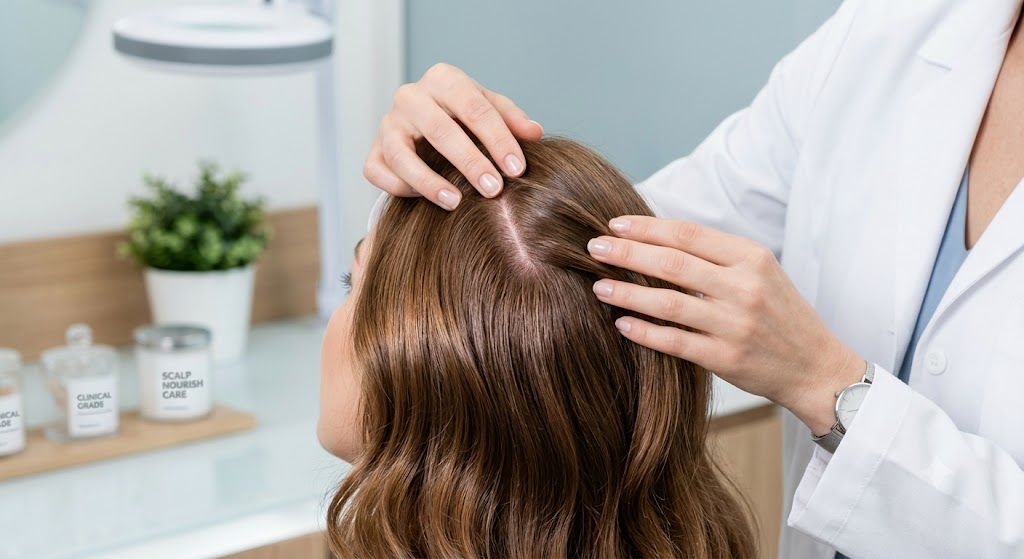
A healthy scalp plays an important role in maintaining healthy-looking hair. While many people focus on shampoos, conditioners, and styling products, the scalp is often overlooked.
Your scalp supports the hair follicles from which your hair grows. Keeping your scalp clean and comfortable may help create a better environment for maintaining healthy hair. However, scalp health is influenced by many factors, including genetics, lifestyle, climate, hair care habits, and certain medical conditions.
In this guide, you’ll learn practical, evidence-based scalp care habits that can become part of your everyday routine.
Healthy-looking hair begins with a healthy scalp. Our Complete Hair Care Guide explains the daily, weekly, and monthly habits that support overall hair health.
Table of Contents
Why Scalp Health Matters
Your scalp is skin, and like the skin on the rest of your body, it benefits from regular care.
A comfortable, well-maintained scalp may help you:
- Keep the scalp clean.
- Reduce product buildup.
- Improve overall hair manageability.
- Support a consistent hair care routine.
- Identify changes that may require professional advice.
It’s important to remember that a healthy scalp alone does not guarantee faster hair growth. Hair growth is influenced by many factors, including age, genetics, hormones, nutrition, and overall health.
Signs of a Healthy Scalp
Although everyone’s scalp is different, many people with a healthy scalp may notice:
- A clean feeling after washing.
- Minimal visible product buildup.
- Comfortable skin without persistent irritation.
- Hair that feels easier to manage.
- No ongoing redness, swelling, or sores.
Some variation is normal, and scalp appearance can change due to weather, lifestyle, or hair care products.
Common Scalp Concerns
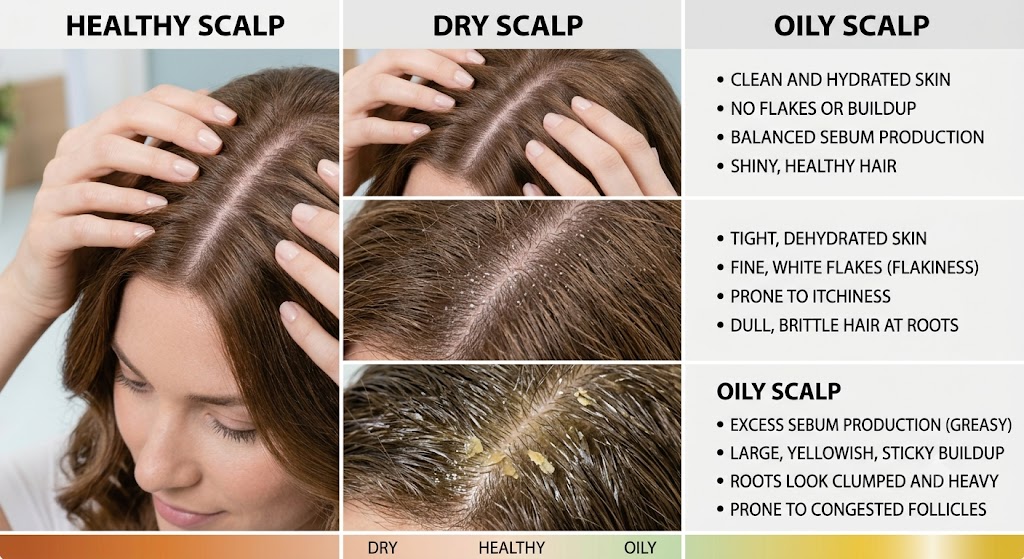
People may experience different scalp concerns at different times.
Some common examples include:
Dry Scalp
A dry scalp may feel tight or flaky. Environmental conditions, harsh products, or frequent washing may contribute in some individuals.
Oily Scalp
Some people naturally produce more scalp oil than others.
An oily scalp may cause hair to look greasy sooner after washing.
Product Buildup
Using multiple styling products without cleansing regularly may leave residue on the scalp.
Some people notice that their hair feels heavier or less manageable when buildup occurs.
Sensitive Scalp
A sensitive scalp may react to certain products or environmental factors.
If irritation continues after stopping a product, consult a qualified healthcare professional.
Know Your Scalp Type
Understanding your scalp can help you choose a suitable care routine.
In general, scalp types may include:
| Scalp Type | General Characteristics |
|---|---|
| Normal | Comfortable, balanced oil production |
| Dry | May feel tight or flaky |
| Oily | Produces more natural oil |
| Combination | Some areas oily, others dry |
| Sensitive | May react more easily to certain products |
Your scalp type may change over time due to seasonal changes, hormonal factors, aging, or lifestyle.
Understanding your hair type can also help you choose a suitable scalp care routine. Read our guide on how to identify your hair type before selecting hair care products.
Healthy Scalp Care Starts with Gentle Habits
Many people believe that using more products automatically leads to a healthier scalp.
In reality, a simple routine that matches your scalp’s needs is often easier to maintain.
Good scalp care usually focuses on:
- Gentle cleansing.
- Suitable hair care products.
- Consistent hygiene habits.
- Avoiding unnecessary irritation.
- Seeking professional advice when symptoms persist.
Quick Tip
Avoid scratching your scalp with your fingernails.
Instead, gently massage the scalp using your fingertips while washing. This helps cleanse the scalp without causing unnecessary irritation.
Daily Scalp Care Routine
Taking care of your scalp doesn’t have to be complicated. A simple and consistent routine is often easier to follow than using many products at once.
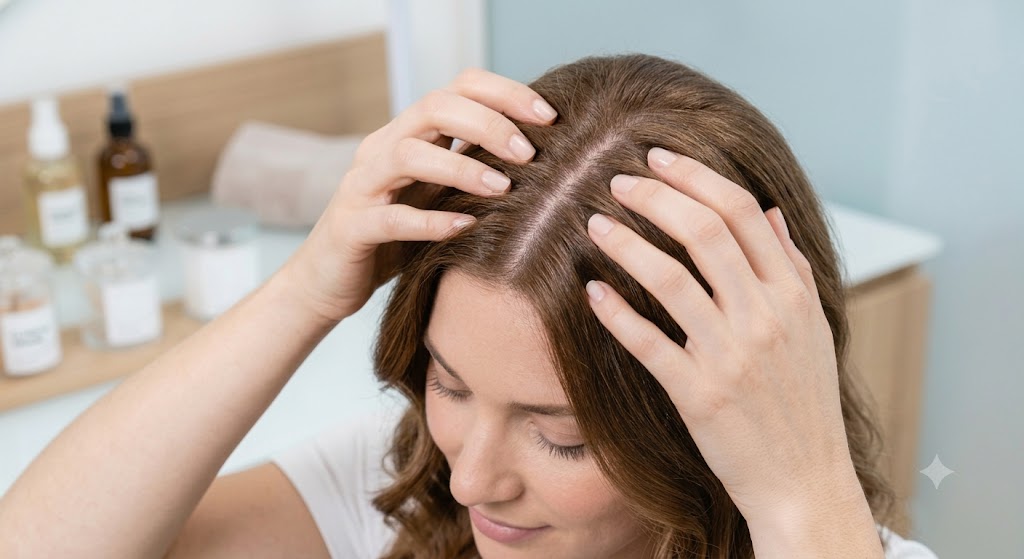
Daily scalp care focuses on keeping the scalp comfortable, clean, and free from unnecessary irritation.
1. Clean Your Scalp According to Its Needs
There is no single washing schedule that works for everyone.
Some people may need to wash their hair more frequently, while others may benefit from washing less often.
Your ideal routine depends on factors such as:
- Hair type
- Scalp oil production
- Climate
- Physical activity
- Styling products used
Avoid washing excessively if it leaves your scalp feeling uncomfortably dry.
Choosing the right washing schedule is an important part of scalp care. Read our guide on how often you should wash your hair to build a routine that matches your hair type and scalp needs.
2. Massage Your Scalp Gently
While shampooing, gently massage your scalp using your fingertips.
This may help distribute shampoo evenly and remove dirt and oil without unnecessary irritation.
Avoid:
- Scratching with fingernails
- Rubbing aggressively
- Pulling the hair while washing
Gentle movements are usually more comfortable for the scalp.
3. Rinse Thoroughly
Leaving shampoo or conditioner on the scalp may contribute to product buildup for some people.
Take time to rinse thoroughly using clean water.
This simple habit helps remove leftover cleansing products.
4. Allow Your Scalp to Dry Properly
After washing:
- Pat your hair gently with a clean towel.
- Avoid vigorous rubbing.
- Allow your hair to air dry when practical.
- If using a hair dryer, follow the manufacturer’s instructions and avoid unnecessary heat exposure.
A damp scalp for long periods may feel uncomfortable for some individuals.
Weekly Scalp Care Routine
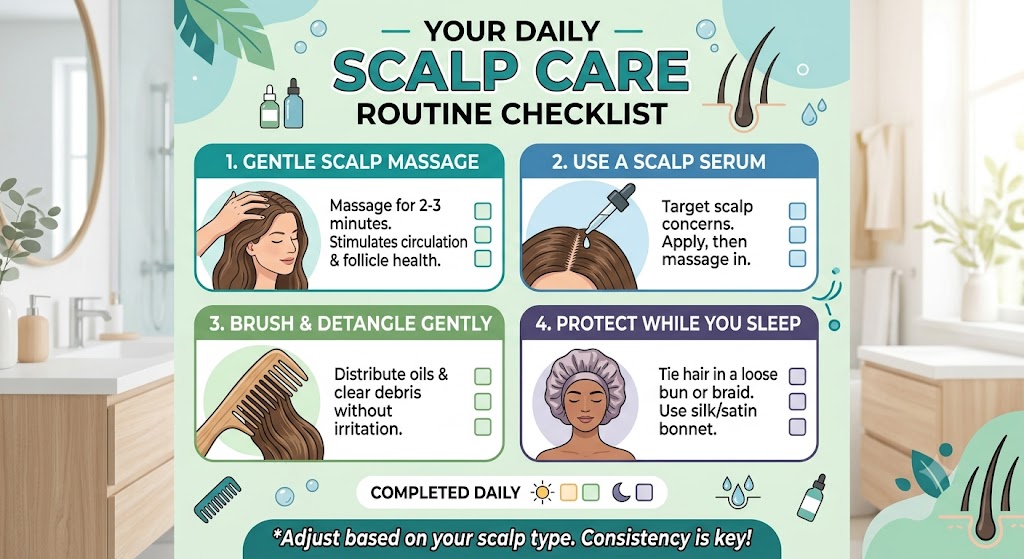
In addition to your daily routine, a weekly review of your scalp care habits can be helpful.
Check for Product Buildup
If you regularly use styling products, occasionally check whether residue is accumulating on your scalp or hair.
If buildup becomes noticeable, consider reviewing your routine and using products according to their instructions.
Clean Your Hair Accessories
Hairbrushes and combs collect:
- Hair
- Oil
- Dust
- Product residue
Cleaning them regularly helps maintain good hair hygiene.
Review Your Hair Products
Ask yourself:
- Does this product suit my scalp?
- Does my scalp feel comfortable after using it?
- Have I introduced too many new products at once?
Keeping your routine simple often makes it easier to identify which products work well for you.
Avoid Overusing Hair Products
Using more products does not necessarily improve scalp health.
Applying multiple oils, serums, sprays, and styling products together may make your routine more complicated and contribute to buildup.
Instead:
- Introduce one product at a time.
- Follow the manufacturer’s directions.
- Give your scalp time to adjust before making additional changes.
Lifestyle Habits That Support Scalp Health
Healthy scalp care is influenced by overall lifestyle habits.
General healthy habits include:
- Eating a balanced diet.
- Drinking enough water.
- Getting adequate sleep.
- Managing stress where possible.
- Staying physically active according to your individual needs.
These habits support overall well-being, which can also contribute to healthy-looking hair.
Quick Tip
Consistency is often more valuable than using expensive products.
A gentle, regular routine that matches your scalp type is easier to maintain over the long term.
Dry Scalp Care
A dry scalp may feel tight, itchy, or flaky. Weather conditions, frequent washing, harsh products, or individual skin characteristics may contribute to dryness.
A gentle approach is often the most comfortable.
General Tips for a Dry Scalp
- Choose gentle hair care products suitable for your scalp.
- Avoid washing more often than necessary.
- Use lukewarm rather than very hot water when washing your hair.
- Rinse products thoroughly.
- If dryness persists or worsens, seek advice from a qualified healthcare professional.
Remember that persistent flakes are not always caused by a dry scalp. Different scalp conditions can have similar symptoms, so professional evaluation may be appropriate if symptoms continue.
Oily Scalp Care
An oily scalp produces more natural oil (sebum). Some oil is normal and helps protect the scalp and hair.
General care habits may include:
- Wash according to your scalp’s needs.
- Avoid applying heavy styling products directly to the scalp unless instructed by the product.
- Clean combs, brushes, and hair accessories regularly.
- Remove product buildup with regular cleansing as appropriate.
Avoid washing excessively in an attempt to remove all oil, as routines should be based on individual needs.
For another important part of scalp care, learn how simple Scalp Sun Protection Habits can help protect exposed areas of your scalp during time outdoors.
Sensitive Scalp Care
Some people have a scalp that reacts more easily to certain hair products or environmental factors.
General suggestions include:
- Introduce new hair products one at a time.
- Stop using a product if you notice irritation and seek professional advice if symptoms continue.
- Avoid scratching irritated areas.
- Follow product instructions carefully.
If irritation is severe, persistent, or accompanied by swelling, pain, or discharge, consult a healthcare professional promptly.
Common Scalp Care Mistakes
Avoiding common mistakes may help keep your scalp comfortable.
Using Too Many Products
Layering multiple oils, serums, sprays, and styling products may increase product buildup for some people.
A simple routine is often easier to maintain.
Scratching the Scalp
Scratching with fingernails may irritate the scalp and damage the skin.
If your scalp feels itchy for an extended period, identify the possible cause and seek medical advice if needed.
Ignoring Persistent Symptoms
If scalp discomfort continues despite changing your routine, avoid self-diagnosing.
A qualified healthcare professional or dermatologist can help determine the underlying cause.
Frequently Changing Products
Changing shampoos and treatments every few days makes it difficult to know which products are suitable for your scalp.
Introduce changes gradually and observe how your scalp responds.
Frequently Asked Questions
How often should I clean my scalp?
There is no universal schedule.
The ideal frequency depends on your scalp type, hair type, physical activity, climate, and personal preferences.
Is an oily scalp unhealthy?
Not necessarily.
Natural oil production varies from person to person. Oil becomes a concern only if it causes discomfort or is associated with other symptoms that require professional evaluation.
Can a healthy scalp guarantee healthy hair?
No.
A healthy scalp supports healthy-looking hair, but hair health is also influenced by genetics, nutrition, hormones, age, lifestyle, and certain medical conditions.
Should I use multiple scalp treatments together?
Unless recommended by a qualified healthcare professional or clearly instructed by the product manufacturer, introducing one product at a time is generally a practical approach.
When to See a Doctor
Consult a qualified dermatologist or healthcare professional if you experience:
- Persistent itching that does not improve.
- Painful scalp swelling.
- Bleeding or open sores.
- Pus or unusual discharge.
- Sudden or severe hair loss.
- Persistent redness or irritation.
- Symptoms that interfere with daily life.
Professional evaluation can help identify the cause and guide appropriate care.
Trusted Resources
- American Academy of Dermatology (AAD): Hair and Scalp Care
- NHS (National Health Service): Hair Loss
- Mayo Clinic: Hair Care
Medical Disclaimer
This article is intended for educational and informational purposes only. It is not a substitute for professional medical advice, diagnosis, or treatment. Scalp conditions can have different causes, and similar symptoms may require different treatments. If you have persistent scalp irritation, unusual hair loss, pain, swelling, or other concerning symptoms, consult a qualified healthcare professional or dermatologist. Never ignore or delay seeking professional medical advice because of information you have read online.
Conclusion
A healthy scalp is an important part of a healthy hair care routine. Simple daily habits such as gentle cleansing, using suitable hair care products, maintaining good hygiene, and paying attention to changes in your scalp can help keep it clean and comfortable.
Remember that scalp care is not about using the largest number of products. A consistent routine that matches your scalp type is often easier to maintain over the long term.
If you experience persistent itching, pain, unusual hair loss, redness, swelling, or other ongoing scalp concerns, seek advice from a qualified dermatologist or healthcare professional.
Healthy Scalp Care Checklist
✅ Daily Checklist
- Clean your scalp according to your individual needs.
- Massage gently using your fingertips.
- Rinse shampoo thoroughly.
- Avoid scratching your scalp.
- Keep your hair and scalp clean after heavy sweating.
✅ Weekly Checklist
- Clean your hairbrush and comb.
- Check for product buildup.
- Review your hair care routine.
- Wash hats, pillowcases, or hair accessories regularly if needed.
✅ Monthly Checklist
- Review whether your products still suit your scalp.
- Observe any unusual changes.
- Replace damaged hair accessories.
- Adjust your routine according to seasonal changes.
Key Takeaways
✔ A healthy scalp supports healthy-looking hair.
✔ Choose products suitable for your scalp type.
✔ Keep your scalp clean without over-washing.
✔ Avoid unnecessary product buildup.
✔ Introduce new products one at a time.
✔ Seek professional medical advice for persistent scalp problems.